

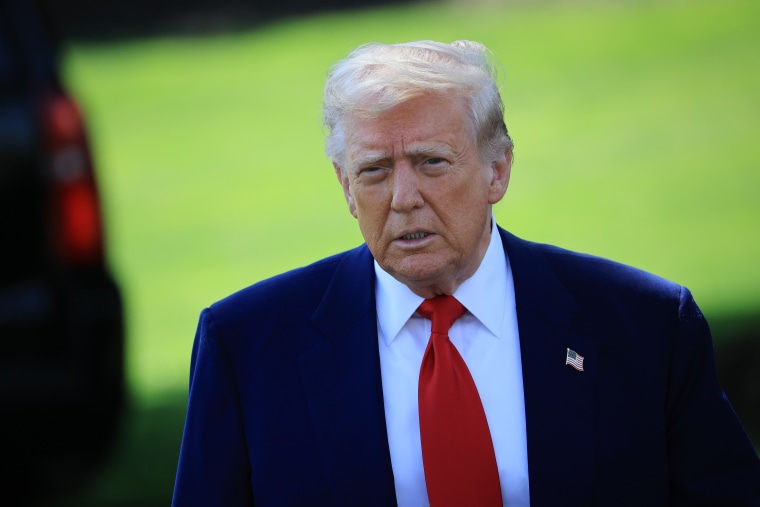
 Photo by Win McNamee/Getty Images
Donald Trump has announced plans to introduce a 100% tariff on all movies “produced in Foreign Lands.” Trump, posting on his Truth Social platform, said the tariff would be used to protect the domestic film industry that he believes is dying a "very fast death" due to foreign countries offering financial incentives to U.S. filmmakers.
Trump's statement did not outline how the tariff would work, nor who it would target. Similarly, there was no suggestion of introducing any sort of federal subsidy that unions have long desired as a way of making shooting in the U.S. more affordable. Trump simply claimed to have authorised the commerce department and the US trade representative to immediately begin instituting his plan.
“This is a concerted effort by other Nations and, therefore, a National Security threat,” Trump said in the Truth Social post. “It is, in addition to everything else, messaging and propaganda!”
“WE WANT MOVIES MADE IN AMERICA, AGAIN!” he added.
Trump now says he’ll tariff foreign films — declaring them a national security threat: pic.twitter.com/LKhdgSnLS3
— Josh Wingrove (@josh_wingrove) May 4, 2025
As FilmLA reports, film and TV production in Los Angeles has fallen nearly 40% since 2022. This has coincided with foreign governments offering tax credits to production companies and studios to shoot their projects abroad. Trump is seemingly looking to reverse this trend, a move with potentially huge ramifications for the film and TV industries in countries such as Australia, the U.K., and other European nations that have become the de facto homes of movie production.
This year's biggest movie at the box office, A Minecraft Movie, was primarily filmed in New Zealand. Meanwhile, the upcoming Mission Impossible: The Final Reckoning, which opens in theaters later this month, was made in the U.K.
Trump's tariffs, first introduced in April, have already had an impact in Hollywood with China reducing the number of U.S. movies it imports as retaliation to 125% fees on Chinese goods coming into the country. China is the world’s second largest movie market after the U.S.