Dweller festival brings Black techno history and joy to the forefront
Inside its 2026 edition, a week of nearly perfect nights of live music.


 Texas Isaiah
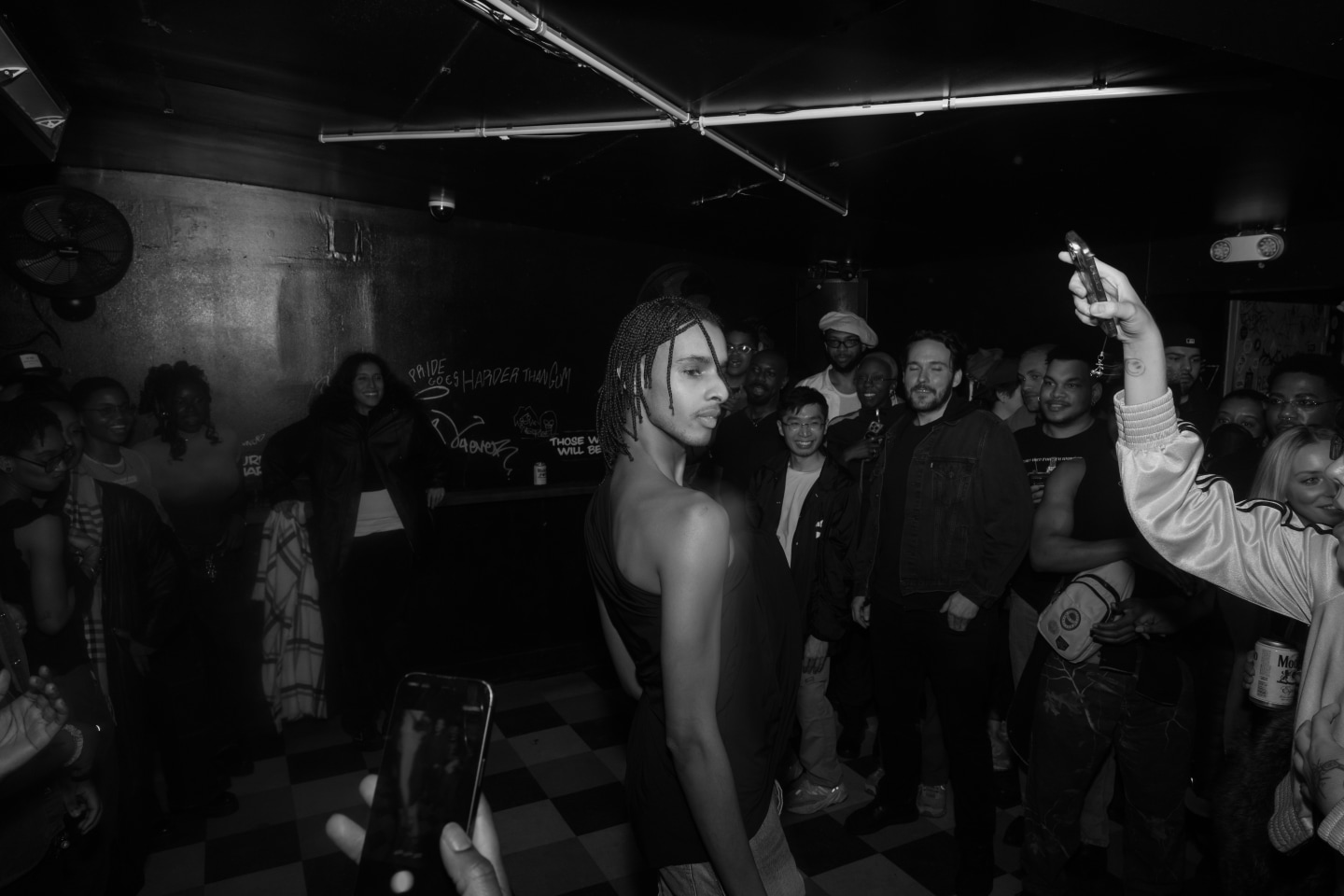
There’s a jarring dissonance between electronic music as a cultural history and electronic music as a popular entertainment. Its origins as an underground post-industrial, Black, and queer art form feels functionally detached from the white male-dominated lineups of festivals like Electric Forest, Coachella, and EDC, the most lucrative and popular manifestations of dance music culture. For nearly five decades, there’s been a stringent uphill battle for dance music and club culture’s history to actually be accurately represented, or at least acknowledged. In the effort to reestablish that history, few movements have been as successful as Dweller, the New York City-based electronic festival that gathers the genre's finest Black artists, DJs, and luminaries for a week of late-night programming with an educational bent.
This year’s iteration was a comeback of sorts after founder Frankie Decaiza Hutchinson, alongside curators Ryan Clarke and Christofer Medina, made the difficult decision to pause Dweller in 2025. They took the year off to determine how to build a sustainable infrastructure for the festival, “because otherwise we were kind of entering into becoming cogs just turning the machine, like we’ve got to make another festival just because there’s a demand for it,” Decaiza Hutchinson says.

Read Next: Giggs drops surprise mixtape Now Or Never
 Texas Isaiah
 Texas Isaiah
 Texas Isaiah
Dweller is an event with lofty goals: a nightclub feels like the last place someone would for a lesson on cultural history, but it’s that exact incompatibility that led to the disconnection of electronic dance music, club culture, and the vibrant Black, queer, and urban histories that define these modes of expression.
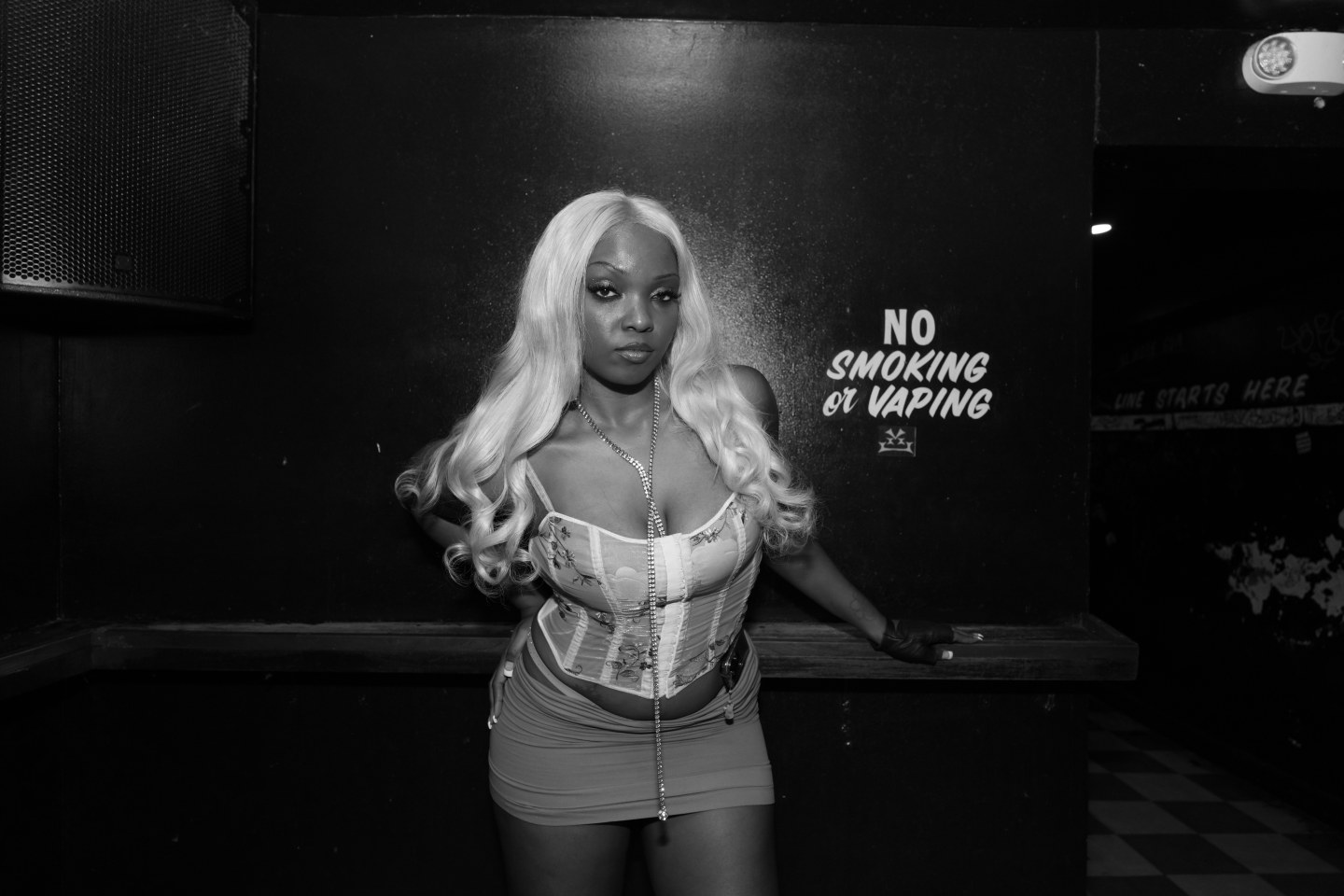
Dweller gears nearly every aspect of its look, sound, and feel toward its mission. The name itself is borrowed from legendary Detroit electro duo Drexciya (and their classic compilation Journey of the Deep Sea Dweller), whose aquatic Afrofuturist mythology also influenced the festival’s aesthetics. Events are given evocative titles like “Mariana Trench,” “Black Moon Lilith,” and “The Bottom of The Map.” The festival’s visual identity, like its gorgeous website and flyers, seem heavily inspired by ‘90s technofuturism, placing Dweller in conversation with a wider body of Black arts culture, especially other mythmaking luminaries like Sun Ra and George Clinton. It showcases their desire to challenge and redefine common narratives within electronic dance music.
 Texas Isaiah
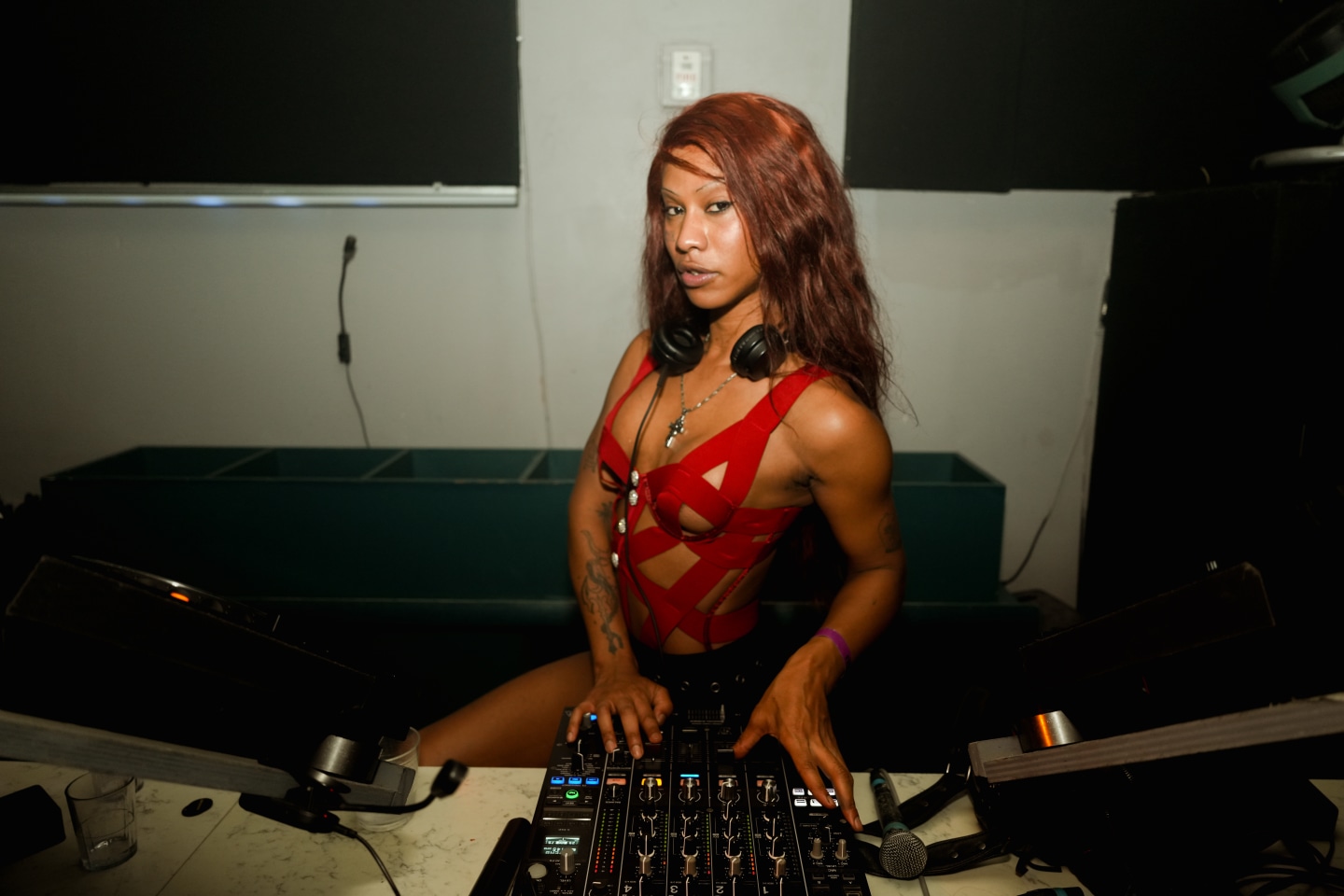
Its bookings often feel like an educational foyer into Black American histories of house and techno, and a challenge to what could actually be considered electronic music. This year’s lineup ranged from stars like Zack Fox, to heavyweight legends like A Guy Called Gerald, DJ Bone, and Kevin Aviance, experimentalists like Moor Mother, and a sweep of local community favorites: Archangel, Love Higher, and dozens more.
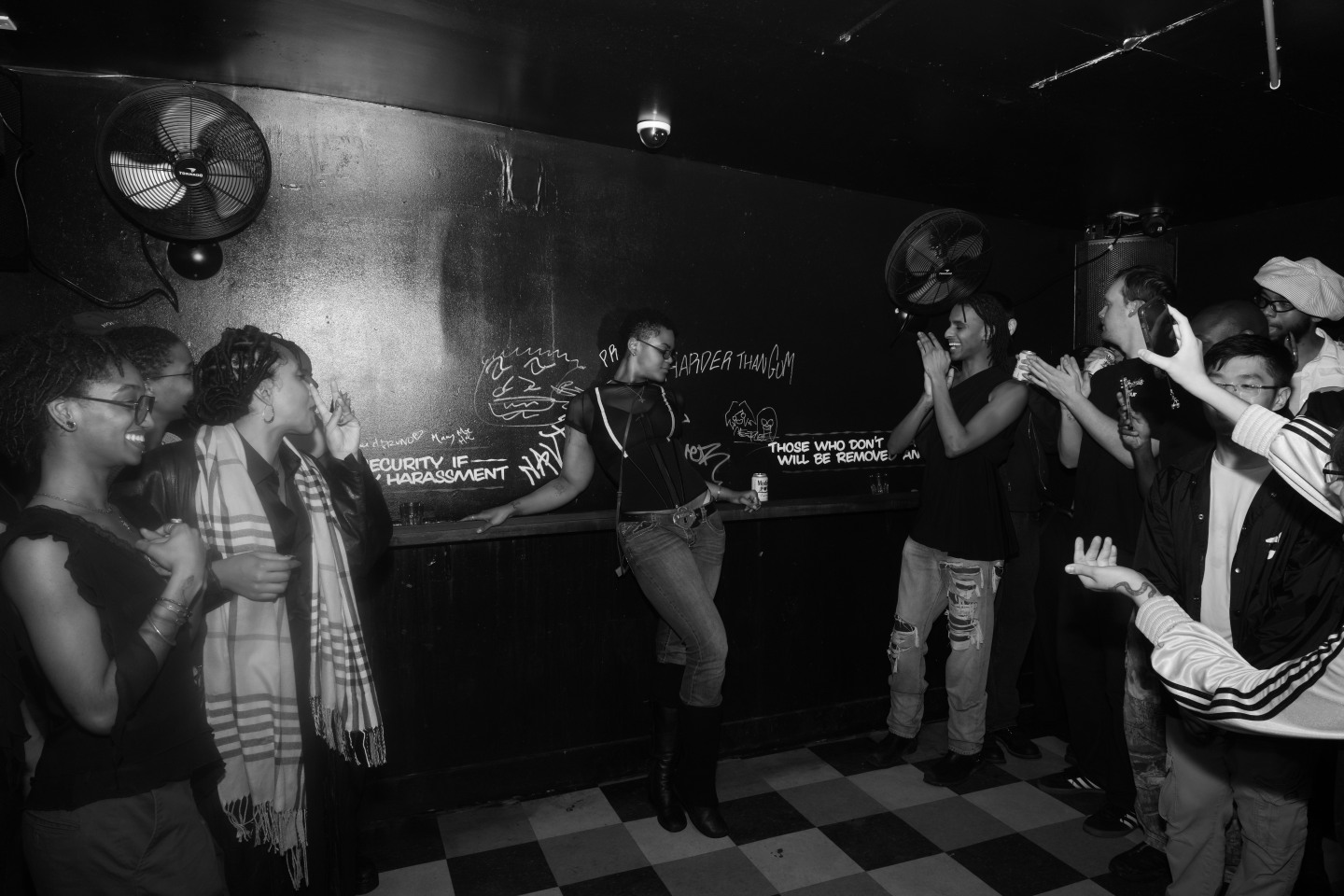
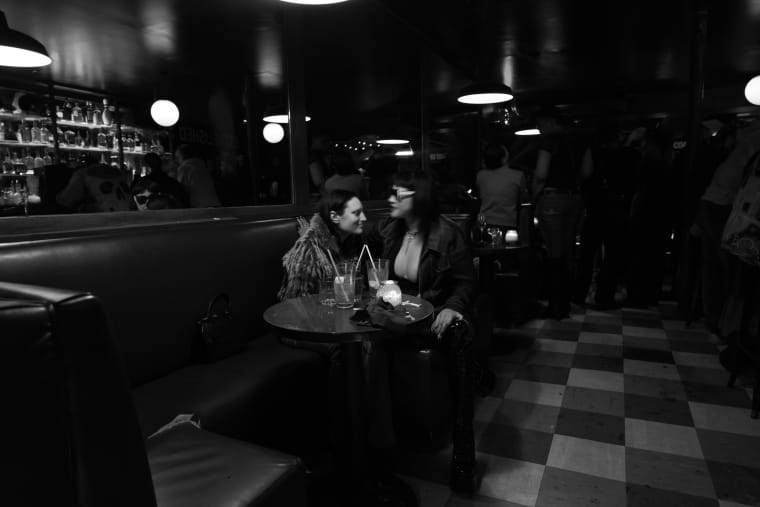
For a weekend, Dweller was unavoidable. Nearly every haute nightlife venue in the city — Nowadays, Basement, Public Records, Bossa Nova Civic Club, and Paragon — became a fortress for the fight. Dweller teamed up with a smattering of parties and collectives to manifest its domination, including beloved trans fundraiser party Body Hack, East Coast club champions Break-A-Leg, Black-centric sonic collective SLICK DOWN, and many more.
Dweller gears nearly every aspect of its look, sound, and feel toward its mission.
 Texas Isaiah
 Texas Isaiah
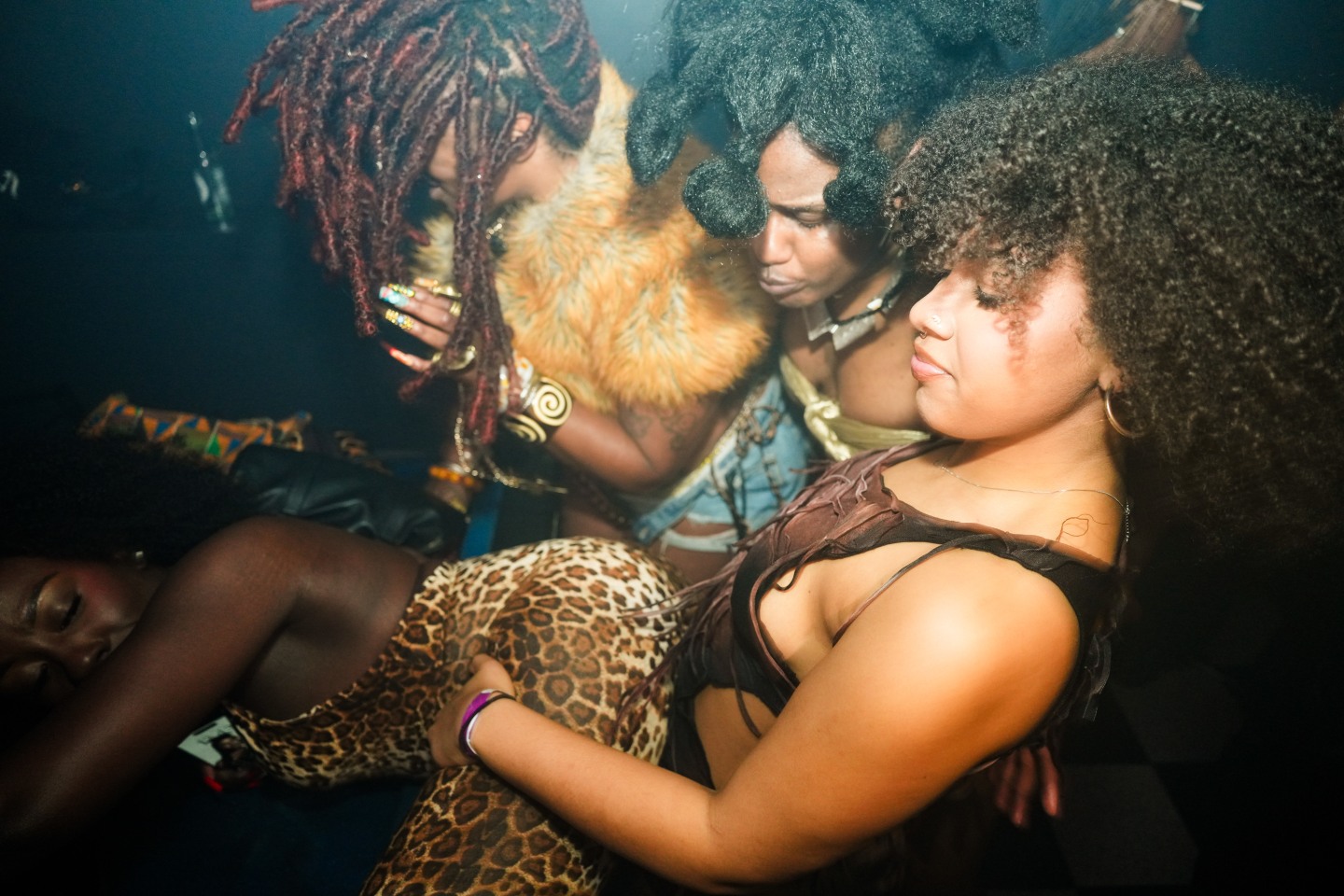
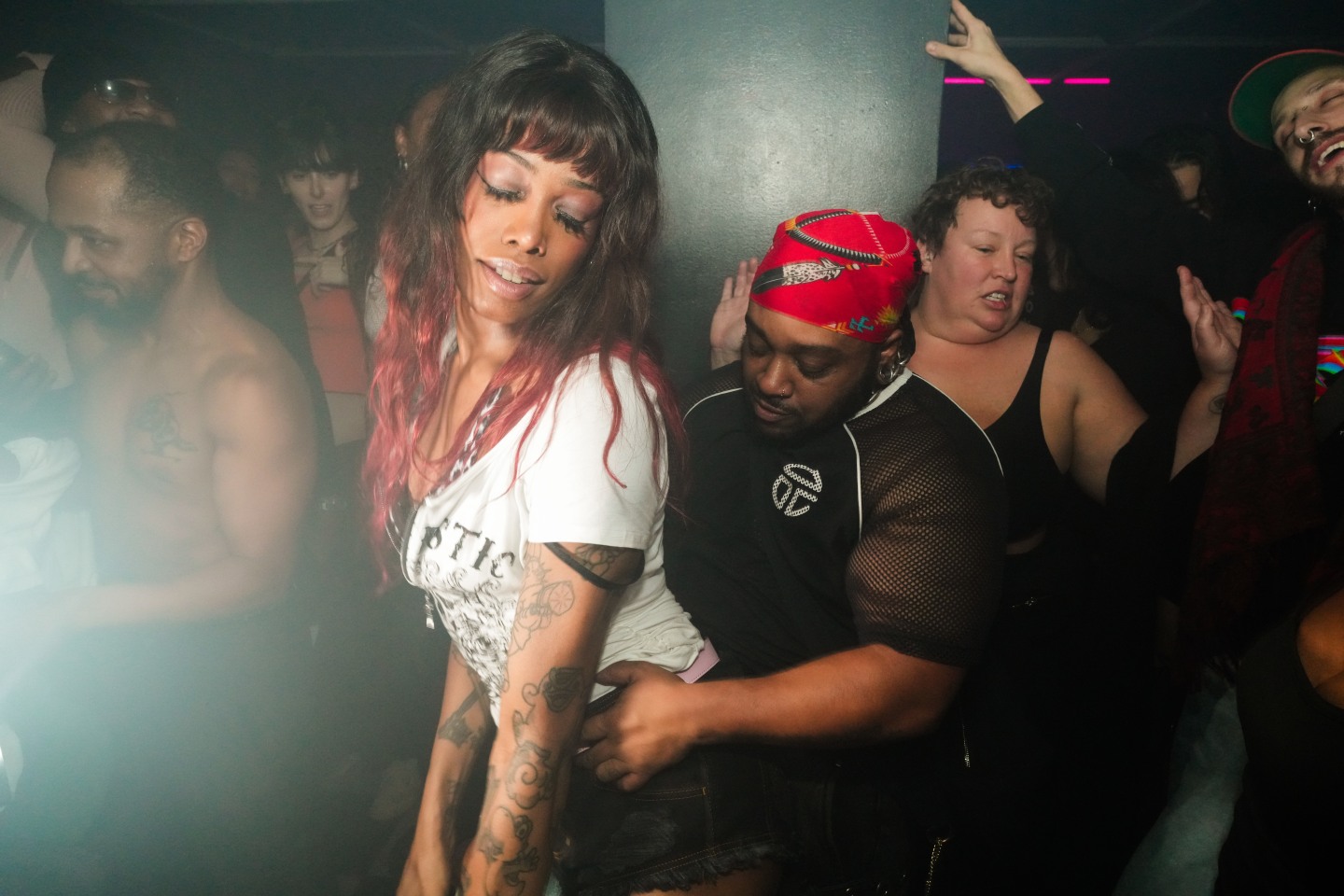
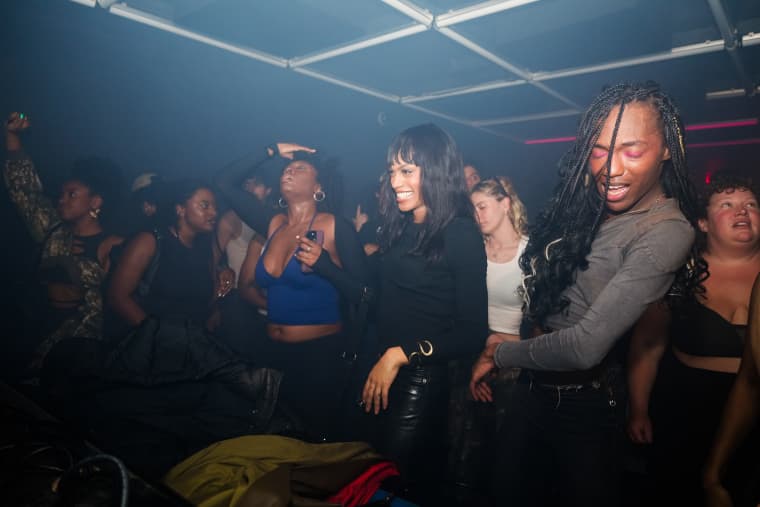
Dweller's monopolization of the city meant that not every person who walked into an event knew what was going on. But that was for the best: So much of Dweller’s teachings happen through the subconscious. Those who arrived without looking at the flyer were still subjected to a masterclass in Detroit’s techno history, whose influence on the genre is under-recognized compared to its European counterpart.
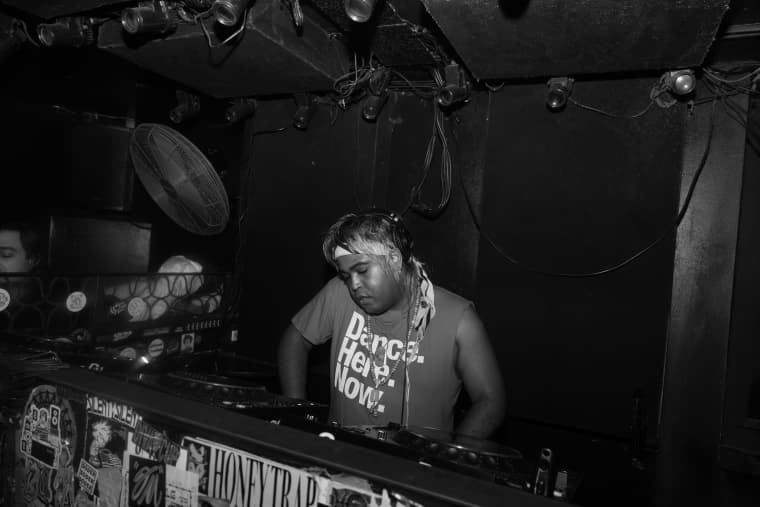
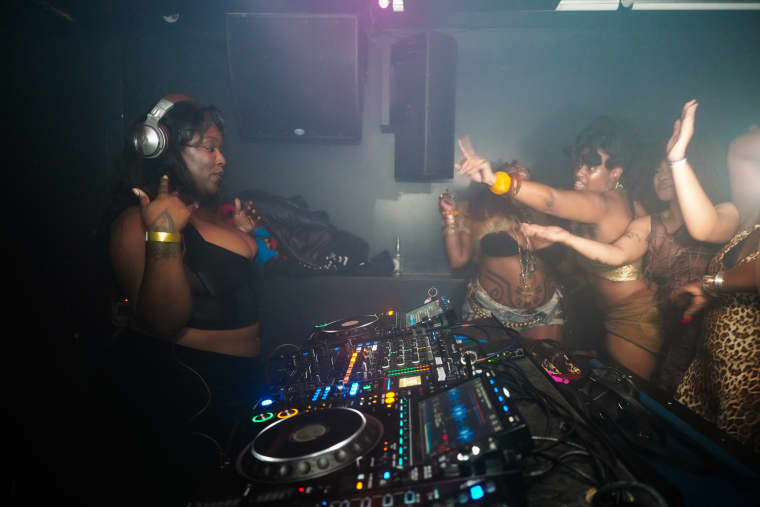
At Basement on Saturday, DJ Bone laid down Detroit madness, swirling together electro, ghettotech vocal chops, and Belleville Three techno. Detroit heavyweight Huey Mnemonic and midwest underground legend D. Strange delivered one of Dweller’s fiercest sets, driving the main floor for three hours with tight, Detroit techno-funk that felt almost militant.
 Texas Isaiah
 Texas Isaiah
 Texas Isaiah
So much of Dweller’s teachings happen through the subconscious.
 Texas Isaiah
“You see the transformation in their face in real time,” Hutchinson says. “I do think there is a certain magic that's created with people who are seeking to go to the thing versus and people who didn't know they were at the thing, and it becomes the chemistry of what's going on.”
Free zines, with captivating essays from Dweller’s blog, including bylines from Mad Mike Banks and Authentically Plastic, were available. At the weekend’s educational night, local experimentalist and DJ Russell E.L. Butler interviewed jungle pioneer and “Voodoo Ray” legend A Guy Called Gerald. By sheer virtue of Gerald’s snaking time in the field, the panel discussion turned into a vibrant retelling of the history of dance music in Manchester, describing everything from imported Detroit techno records by the original Belleville Three, his seminal work in acid with 808 State, and the rise of Madchester, when rave music became guitar music. Attendance was modest, but it still felt a rare opportunity to not only see historic figures perform but also learn their histories.
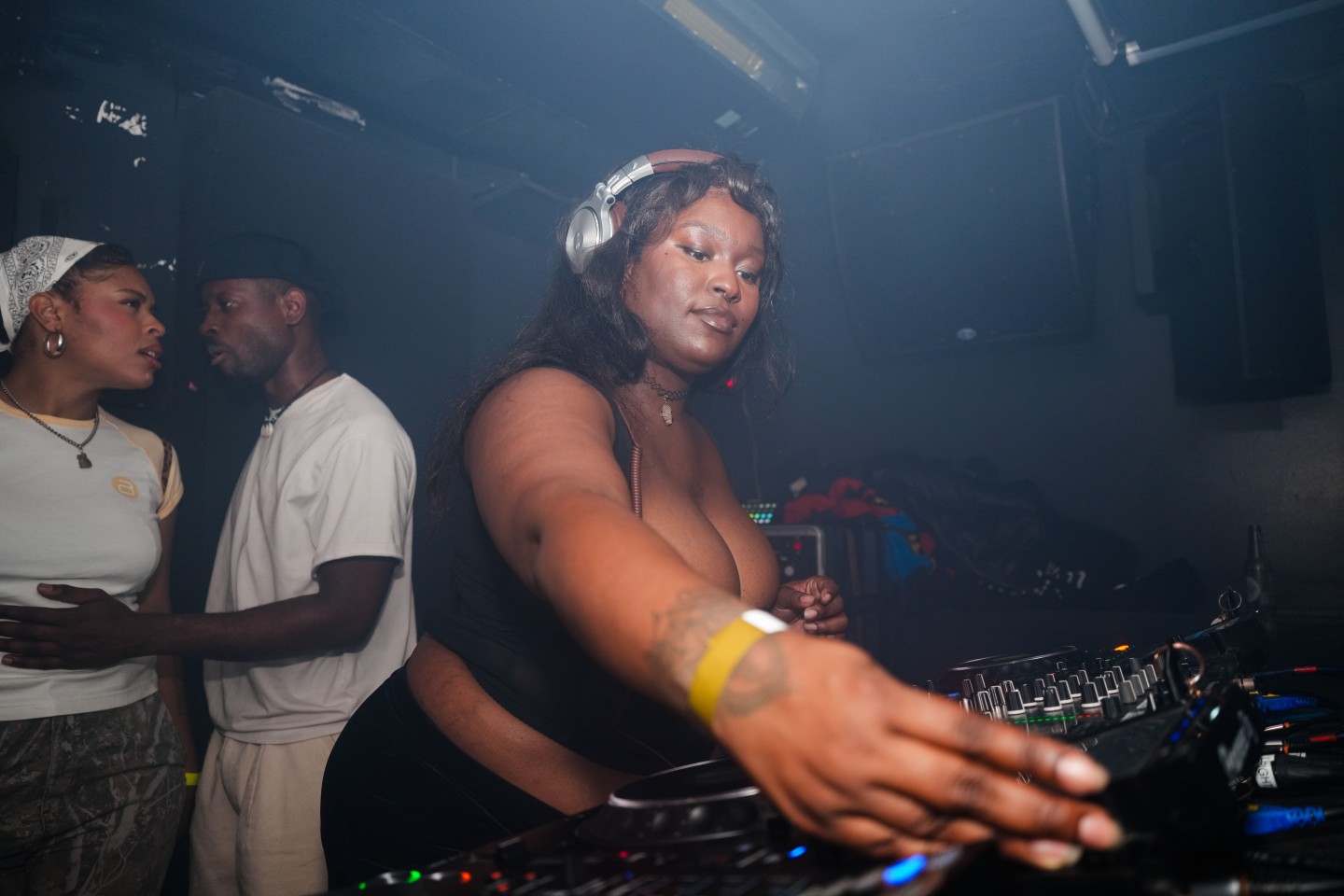
But the best parts of Dweller were the rare showcases that could only happen under the festival’s banner. DJ Miss Parker brought eight-hours of vinyl extravagance to a ridiculously packed Bossa Nova Civic Club on Wednesday night. With her meld of ‘90s tribal, vocal remixes, and underground ballroom classics, as well as an appearance from Cakes da Killa, Miss Parker revived a long-gone form of clubbing when a DJ could treat a club like home; it must have felt like seeing Junior Vasquez at the Sound Factory in 1994.
 Texas Isaiah
 Texas Isaiah
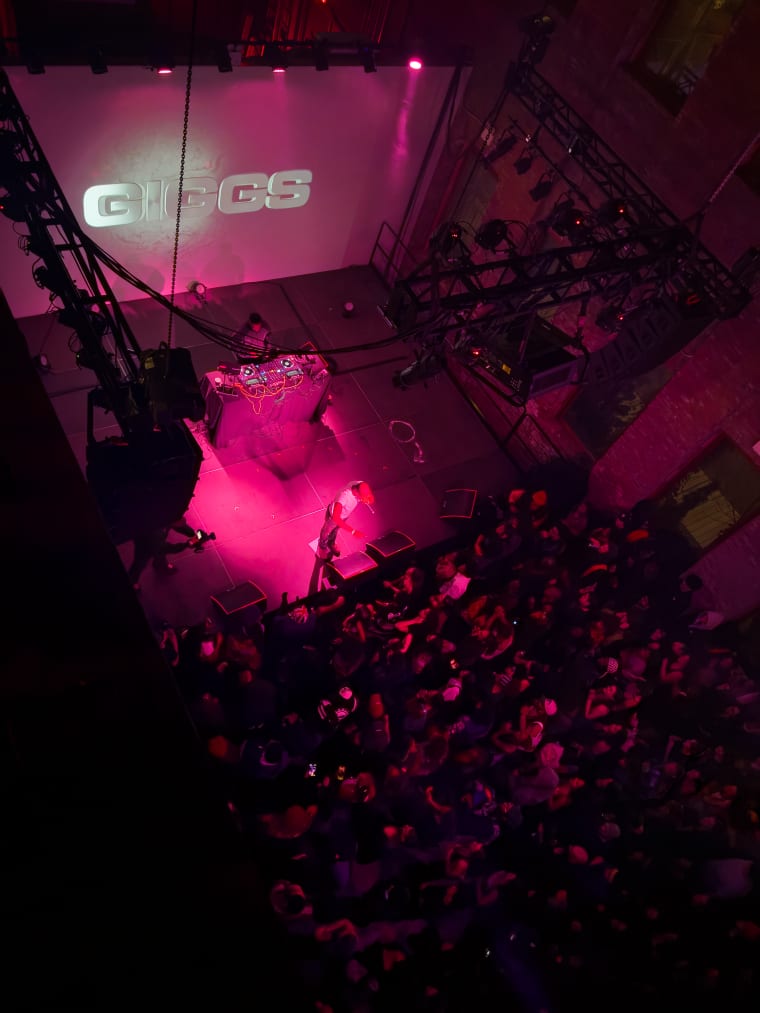
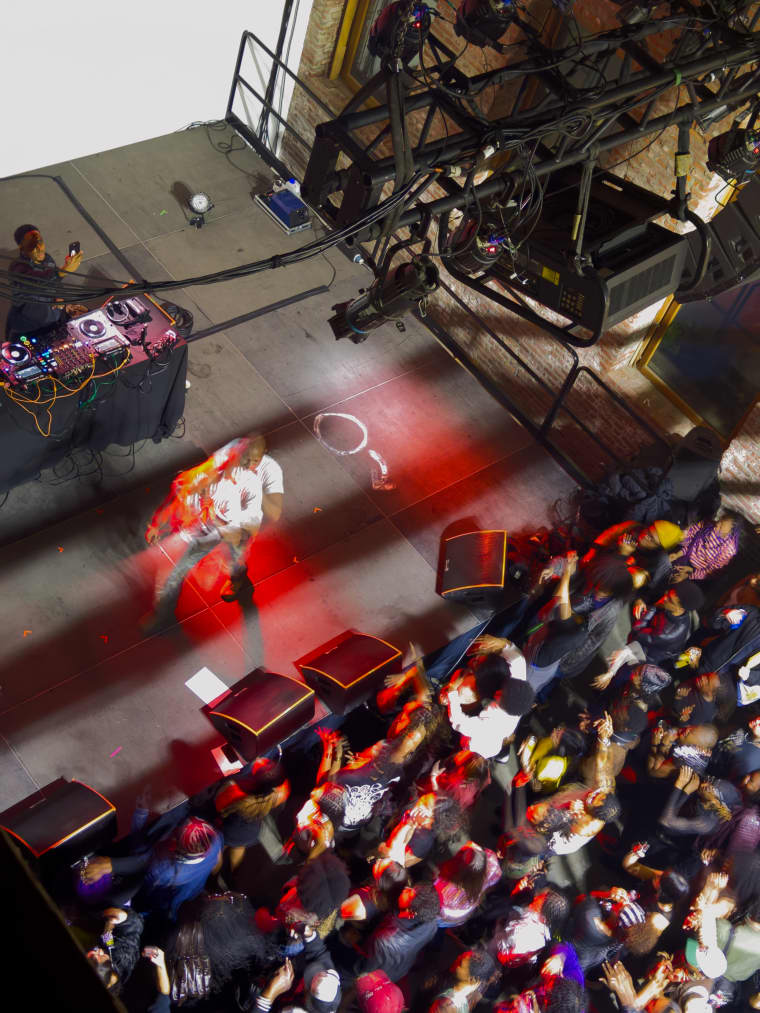
At Pioneer Works, out on Red Hook’s shipping docks, a linkup with Brooklyn rap patriarch MIKE’s Young World festival was the weekend’s only explicit rap programming and one of the most electrifying showcases. U.K.’s rap legend Giggs alongside Junglepussy, 454, Anysia Kym, and MIKE represented a radical future of rap music as a Black electronic medium.
These segments felt fundamentally inextricable from the festival’s intellectual aim to redefine the histories and possibilities of electronic music as a Black art form. They challenged norms on the lines of gender, genre, and commercial viability and proved there is more than one way to do business in a field burdened by limited imaginations. They also made for nearly perfect nights of live music.
 Texas Isaiah
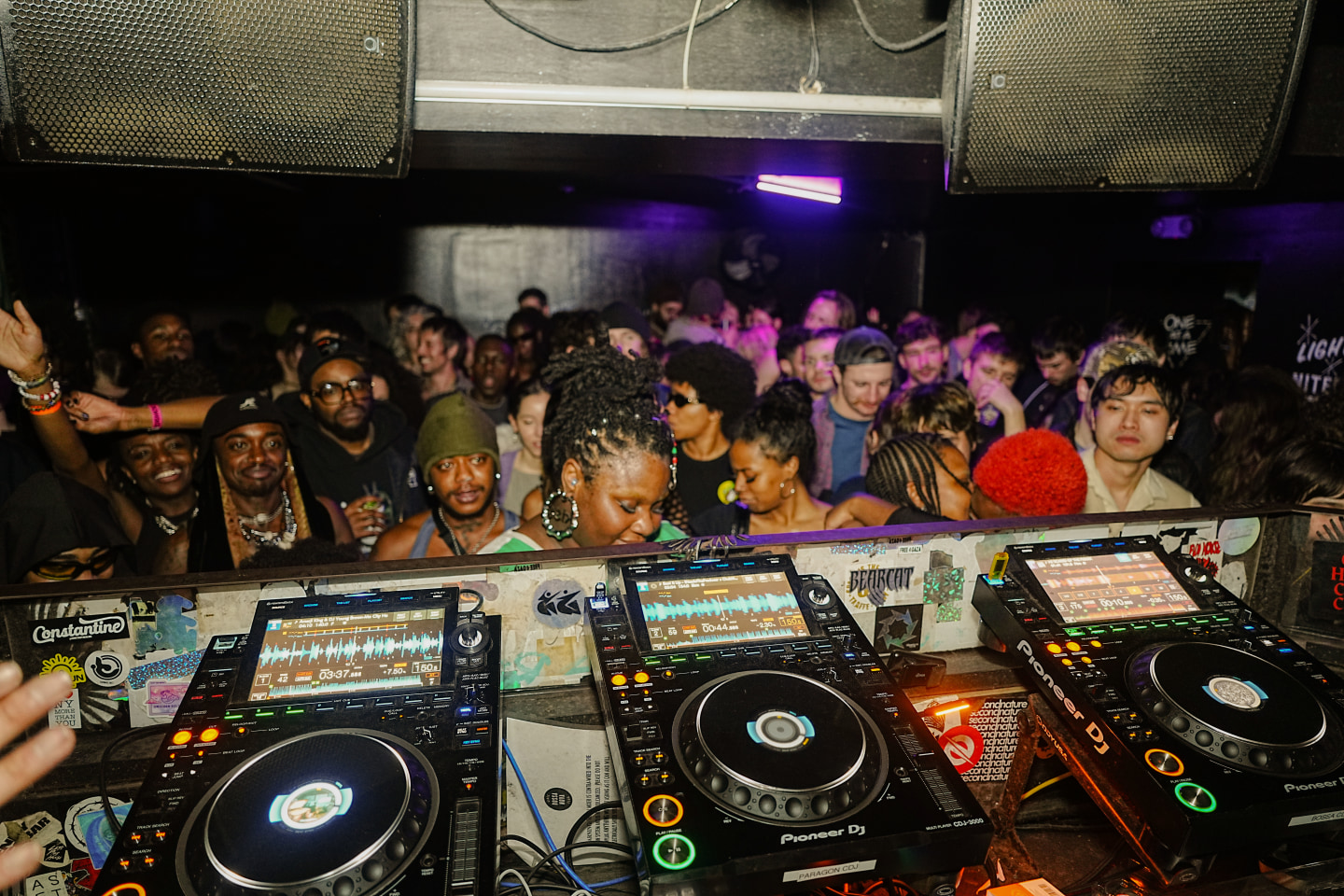
Not even a blizzard could stop Dweller from ending on a slamming note. After a postponement, Dweller’s persevering dedicants gathered at Bossa Nova one more time for storied Detroit DJ Carlos Souffront’s all-night closing set. His distorted and psychedelic takes on techno and garage house felt entwined with the room’s tiredness and restlessness. People embraced and wished one another a “happy Dweller” with an exuberance seen only around Christmas, Ramadan, or Chinese New Year. That joy underlined the ultimate aim of Dweller: that beyond the intellectual discourse or unbridled hedonism, most tantamount was its explicit and ultimate expression of joy in every one of its rooms.