Inside Twilo’s legendary return to New York City nightlife
The club’s special, one weekend re-opening brought together partygoers and New York’s nightlife community for a trip down memory’s dance floor — 25 years after the club’s closing.


 Photography by Yuliya Skya Photography
“We got a babysitter,” a giddy, middle-aged partygoer tells me outside of a chic, nondescript building in Chelsea that for this weekend only has transformed into the renowned New York City club, Twilo. “We're going to make [tonight] a thing.”
The legendary nightlife mecca was last open in 2001 after a prolonged battle with the Giuliani administration caused it to unceremoniously shut its doors. Tonight, Saturday, March 7, the fervor around its return is fittingly ecstatic. A woman nearby details the childcare logistics that allowed her to attend, while a bespectacled father in his 40s chimes in to relate. “I called my mother-in-law and said, ‘You need to come,’” he says. “My wife's out of town working this weekend and I wasn't going to miss this for anything.”
He grew up in uptown Manhattan and would jet down to Chelsea for nights of dancing at the club. His return to the club, tonight, isn’t necessarily a one-off occasion; he rediscovered nightlife in his 40s, forming a group of middle-aged ravers through the N.Y.C raves subreddit. Coming back to the club that first exposed him to nightlife, he says, is a “culmination.”
 Photography by Yuliya Skya Photography
Even amidst N.Y.C's current nightlife boom, Twilo’s return is a cause for major notice. While the city isn’t necessarily in need of more parties, the re-emergence of a nightlife epicenter more than two decades after its closing evokes a widely felt pinch me-feeling for many former Twilo partygoers and associates. They’re able to re-visit the same massive multi-story club they once frequented alongside many of the exact same dance floor partners as in the early aughts.
Twilo’s return was the brainchild of Alan Sacks, the CEO of Twilo Events and the co-organizer of the Twilo reunion with Eric Ortense, who wanted to recapture lightning in a bottle. “Twilo is like the Carnegie Hall of dance music,” he says over a thrum of bass and chatter from the VIP section that's just starting to heat up. He chalks up Twilo’s singular role in New York nightlife history to its elite programming and its legendary original “Phazon” sound system. This weekend features Danny Tenaglia's formidable STAX system.
 Photography by Yuliya Skya Photography
Twilo was open from 1995 to 2001 and became highly regarded for era-defining sets by the likes of Junior Vasquez, John Digweed and Danny Tenaglia. Digweed and Tenaglia, the organizers note, are the duo who soundtracked one of the club’s final night. Tenaglia is back on the decks Saturday night while The Carry Nation and Benny Soto perform in the loft space. The entire lineup embodies the Progressive House sound that has become associated with Twilo — murky, percussively dense music that often folds into Garage and Tribal.
After its closing, the space became another New York City hot spot with Sleep No More, the immersive theatre production that transformed the space into the fictional McKittrick Hotel. The production, which utilized a variety of settings and rooms, inadvertently preserved the maze-like club, allowing for the special, true-to-form reunion.
 Photography by Yuliya Skya Photography
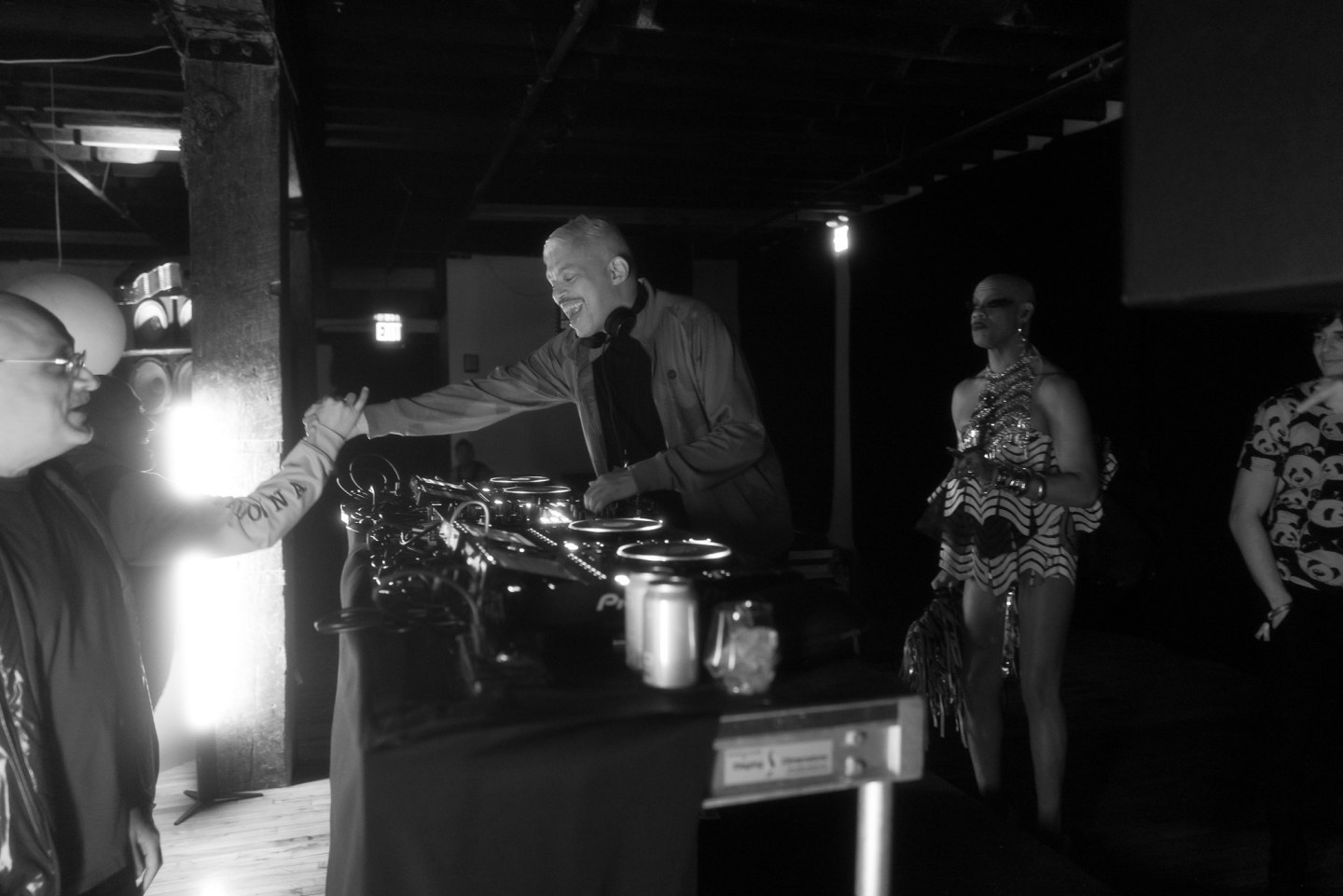 Photo by Trel Brock
“The energy in this room will be exactly as it was 25 years ago,” Sacks says. “Probably 60 to 70% of the people here tonight were here back then.”
Kriss Mass, who’s been working in New York City nightlife since 1994 and is managing Twilo’s VIP section tonight, remembers what the nightlife atmosphere was like back in Twilo’s heyday. “There were so many clubs on this block. You could just walk anywhere and there was a club open,” Mass says.
It’s a vastly different picture from the current neighborhood, one of the ritziest in the city, populated with blue chip art galleries and storied institutions like The Whitney and The Shed, rather than humming clubs. Besides the literal change in environment, Mass says, club etiquette has also shifted.
“[Some in the new generation] think the [club] scene is about going to a place with 5,000 people and recording it and then posting it. It's not that,” he says. “It’s going there. It's dancing. It's meeting people. It's getting fucked up.That’s the club scene.”
 Photography by Yuliya Skya Photography
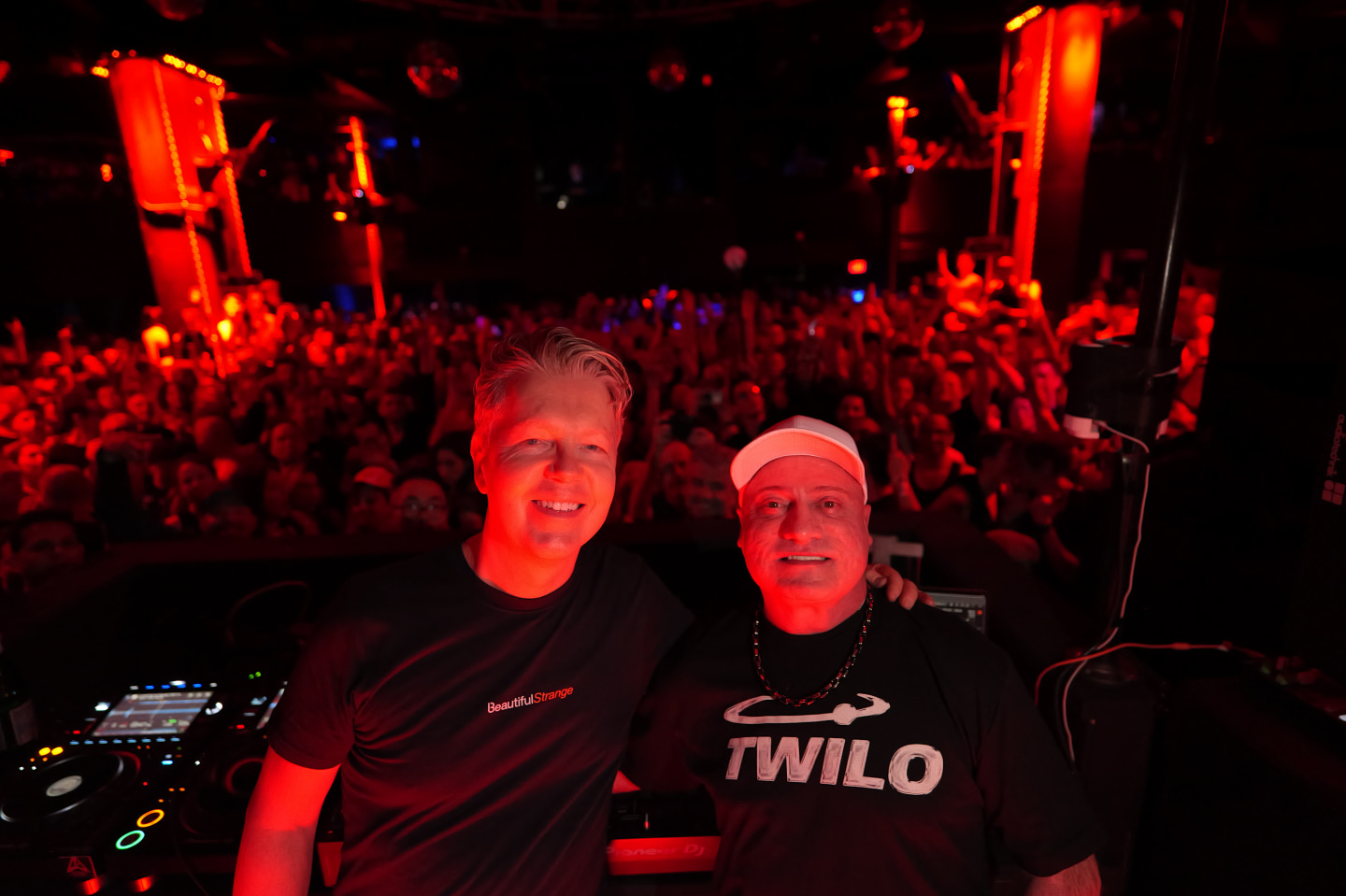 Photography by David Lovas
Perhaps Twilo’s reunion will usher in some of that desperately needed energy. When Twilo announced its return, both nights sold out quickly, reflecting a hunger to re-experience the legendary club’s kinetic energy. The organizers are already looking at planning more Twilo events in the future. “We want to make this a series here,” Sacks says.
As I move through the space on Saturday night, the sounds of Digweed and Tenaglia's pumping sets blanketing the club, I saw friends reuniting and couples re-living a former era when such nights were weekly fare, rather than special occasions. I hear stories about the allure, mystery, and even danger of the late ‘90s, early-aughts nightlife in the City. Some are nostalgic for the thrill of the time; most are just happy to walk down memory’s dance floor, even if things are a bit less edgy than they once were.
 Photography by Yuliya Skya Photography
One attendee from Denver never got to go to Twilo, but still, the chance to go to the storied club is a homecoming of sorts for her, to reconnect with early days partying during Twilo’s era. “It’s good to get back to your origin story,” she says.
 Photo by Trel Brock
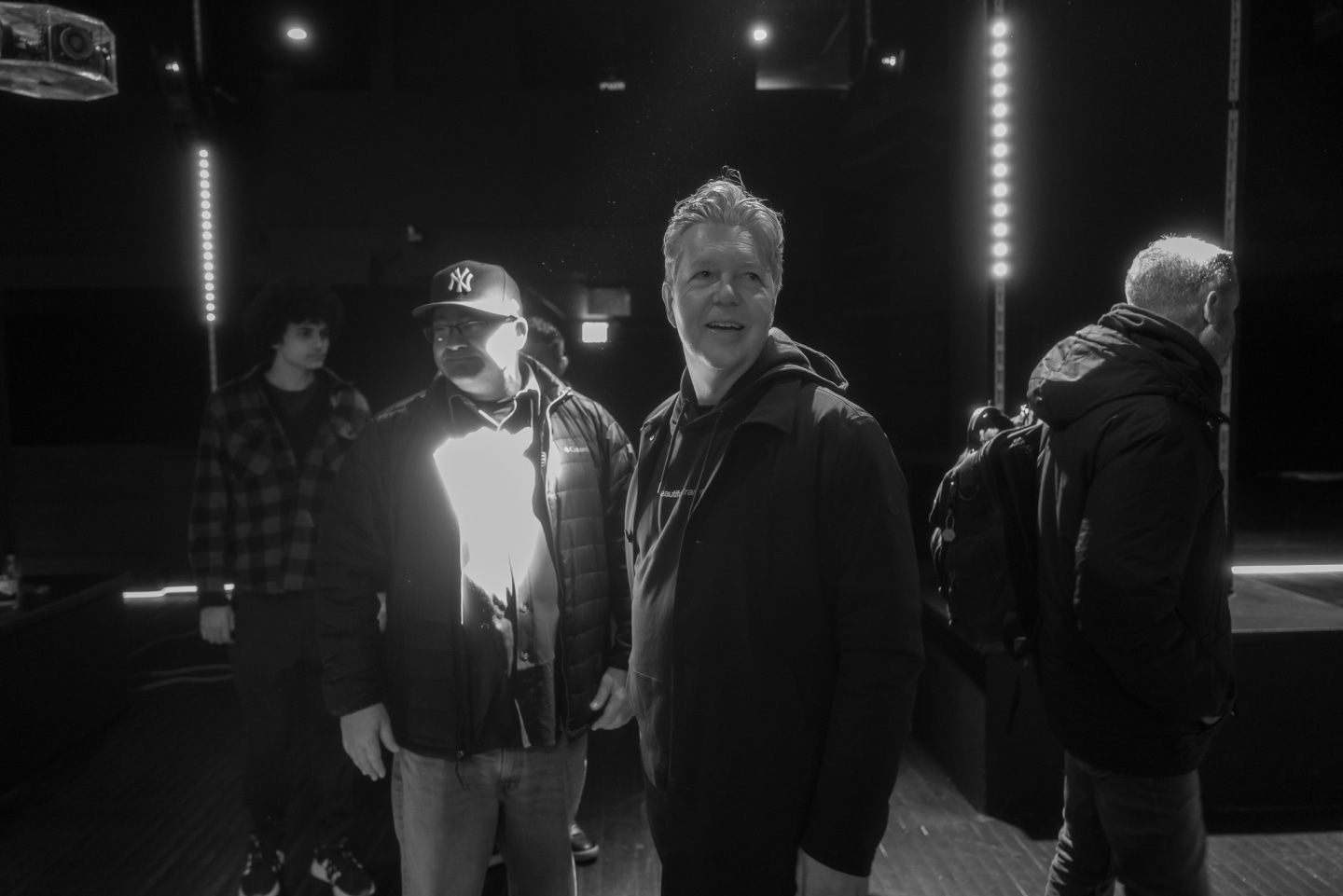 Photography by Trel Brock