

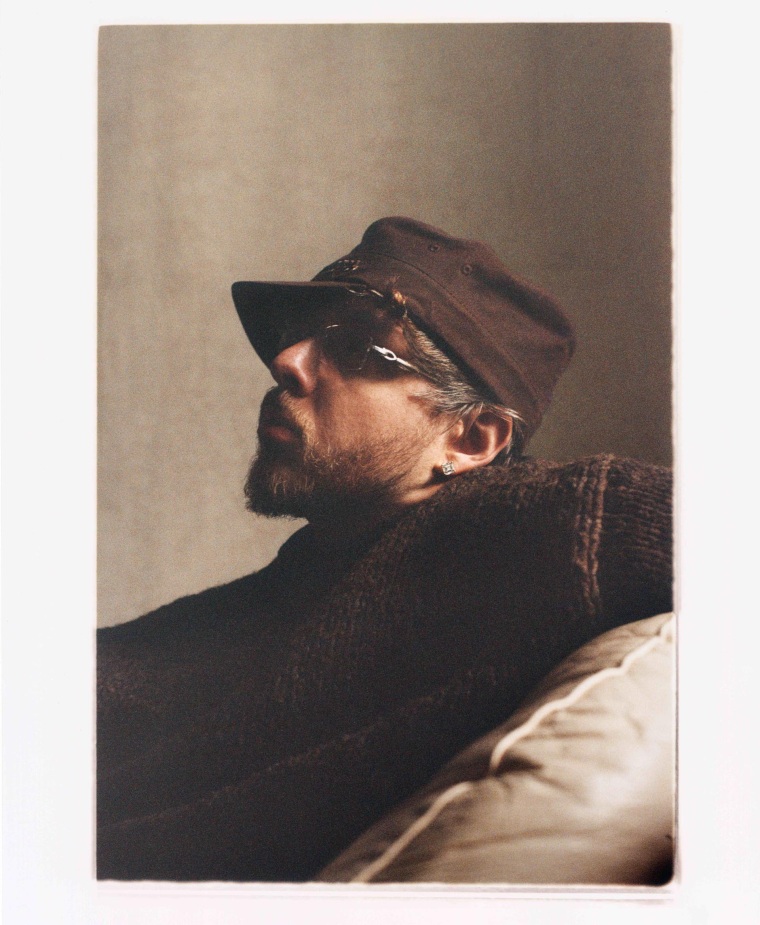
 Photo courtesy of Jack Harlow
Jack Harlow’s new album, Monica (out today via Atlantic), isn’t hip-hop, but rather neo-soul.
The Louisville-born rapper’s genre switch comes during a moment when the question of how white rappers engage with historically Black genres is an ongoing debate.

Harlow spoke about this directly in a conversation with Jon Caramanica and Joe Coscarelli on The New York Times’s video podcast, Popcast. Caramanica and Coscarelli noted that some of Harlow’s white rapper contemporaries, like Post Malone and mgk, had moved away from making Hip Hop and identifying themselves as rappers. Post Malone has notably leaned into country, whereas mgk has doubled down on making aughts-era pop punk.
"I got blacker," Jack Harlow told Caramanica and Coscarelli with a slight smile after a line of questioning about Harlow’s relationship with hip-hop and Black music.
“I love R&B music,” Harlow went on.“I love the sound of soft, intimate, melodic music.” In reference to the racial element of his chosen genre, Harlow added: “I love Black music. I'm hyper aware of the politics ... that safer landing spot that a lot of my white contemporaries have found. There's plenty of people expecting me to take the routes [they] are taking,” he said in reference to his aforementioned white peers leaning into traditionally white genres.
Harlow shared a series of thematic teasers prior to the release of Monica, featuring him discussing topics like love, race, etiquette, and heartbreak with others. Per a press release, Harlow shares that the album was recorded after his move to New York City, and made in the historic Electric Lady Studios.
So far, online discourse around the new album has been playing up the late ‘90s/early-aughts neo-soul throwback. One post on X says that Harlow “turned into a Soulquarian,” a reference to the experimental late ‘90s/early 2000s experimental music movement led by Black artists like Questlove, D’Angelo, Common, Erykah Badu, J. Dilla, Mos Def, and others, notably centered around sessions at Electric Lady.
Others online are making jokes that Harlow is dressing like early aughts Mos Def or Common, with his penchant for creative hats, oversized scarves, and sweaters. Still, the fraught nature of white artists participating in a Black genre remains a central thread in the discourse around the album.
The new album is bringing up past moments when questions arose over Harlow’s understanding of Black music, like when he didn’t recognize a song by Brandy in an interview with Ebro. The moment went viral and Brandy recorded a playful freestyle response over the beat to Harlow’s hit “Glamorous,” rapping, ““Painting pictures, Cinderella scriptures, but that don’t mean jack in the streets / Jack of all trades, now I’m here jacking for beats.”
Beyond the political element of his chosen genre, Harlow insists that his creative choices on Monica were primarily musical. “There were multiple things appealing about this [musical] route, but I also came to the decision off of what feels good in my ear,” he said in his Popcast interview.
Monica is available to stream now.
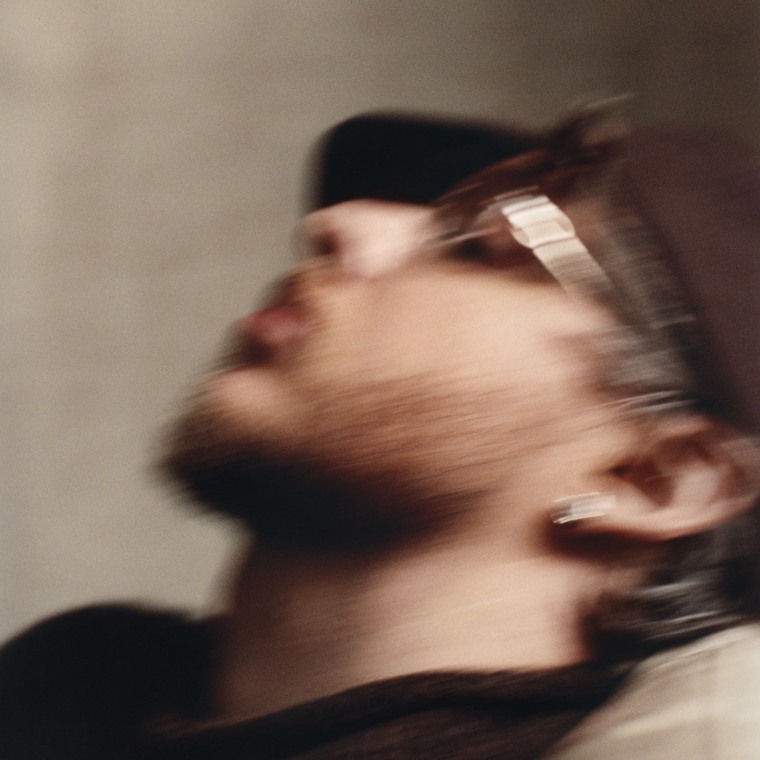 'Monica' by Jack Harlow album art, Photo by Keith Oshiro