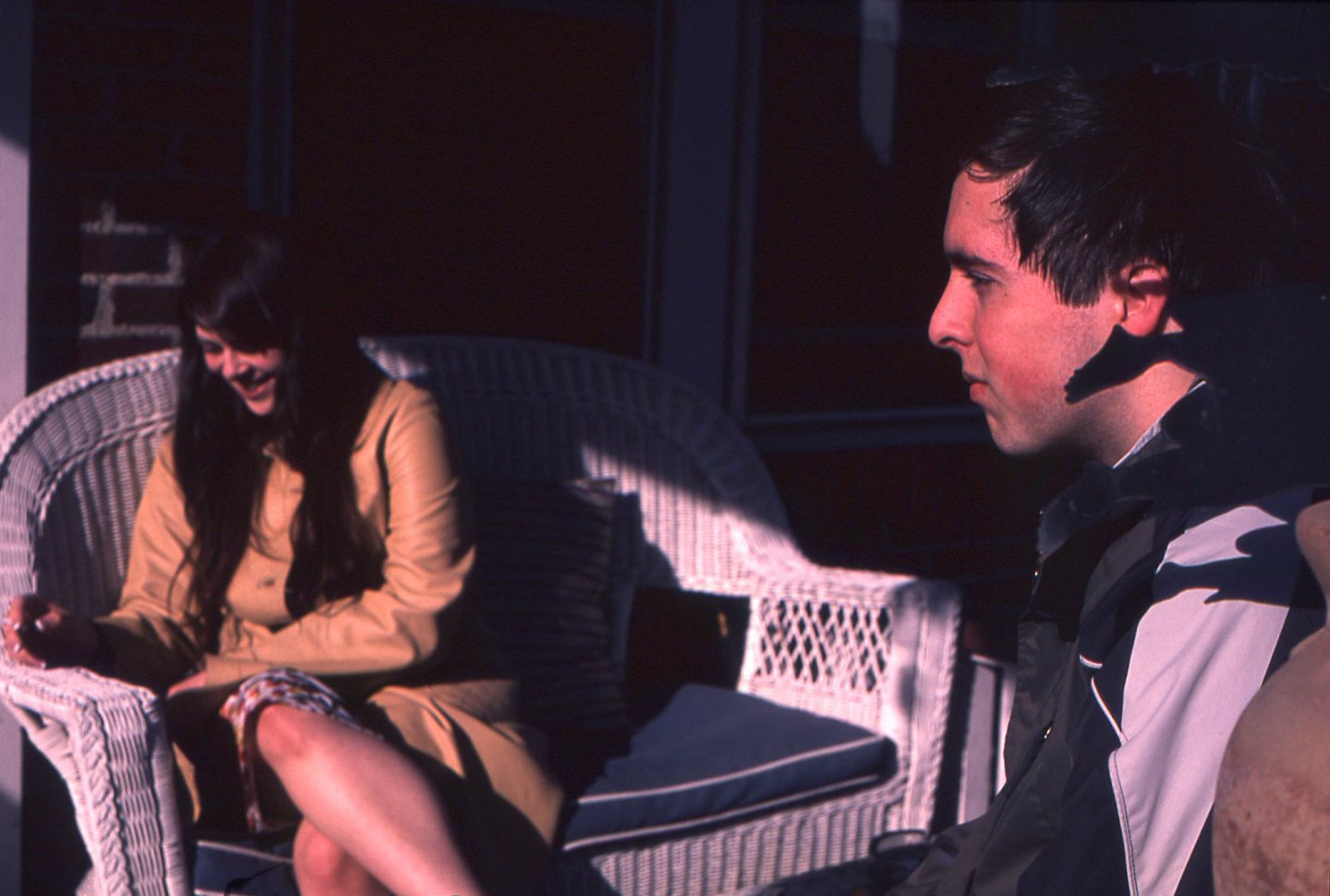
 Photo by Sam Ray
There’s a 2013 interview with the band Pill Friends ahead of their debut album, Blessed Suffering, where frontman Ryan Wilson discusses topics like Kierkegaard, drug culture, and whether someone should kill themselves or not. To Wilson, this was the question that the album — and the band itself — was aiming to answer. “Should you exist or not exist? I don’t think there’s an answer. I can see both sides,” he told Interview Magazine. Years later, in 2017, he tragically died from a drug overdose.
The band wasn’t well known among the local music community in Philly when they were actively playing shows around 2013 to 2015. Meanwhile, a lot of their close friends and peers became known DIY household names: Alex G, Blue Smiley, Teen Suicide, Elvis Depressedly, Coma Cinema, Ricky Eat Acid, Julia Brown, and other Philly legends rose to fame via the Bird Tapes/Orchid Tapes Bandcamp community, an era when independent record labels were focused on releasing via Bandcamp. Pill Friends was the black sheep of the scene, often seen as too dark with the heaviness of their lyrics and the confrontational nature of their songs. As Johnny Klein, the former guitarist of Pill Friends, would later tell me, “I don't think there was anything about the band that fit into any trend.”
I found Pill Friends in 2020 through a friend who would play their stuff around the house. I was a junior at Temple University, gaining awareness of the local Philly music scene’s history. Wilson had passed by the time I found them, and I listened to their music with that understanding in mind. It brought an awful melancholy to what I was hearing, but the music was enchanting. Songs like “Brittany Murphy Is My Dream Girl” (“Brittany Murphy is my dream girl / I wanna feel what she feels”) and “Worthless” (“Tell me that I’m worthless”) perfectly tackled questions I was thinking about all the time: “Should I go on living?” as Wilson put it in Interview. For an obsessive who was figuring out the meaning of life, their songs soothed an urge.
In June 2025, I reached out to Pill Friends’ Johnny Klein (also a guitarist in Knifeplay, singer in Euphoria Again) and TJ Strohmer (singer in Knifeplay) in hopes of understanding Wilson’s story. Strohmer told me that it was because of Wilson that he had begun to question the dominant culture in Philly’s DIY scene, which was often PC and censorious. “There were a lot of hyper-privileged PC bands that were very soft,” he said of the Philly scene at the time. “Pill Friends wasn’t universally beloved.” Ryan had the tendency to do inflammatory things, like nicknaming a bandmate’s girlfriend “Hitler” as a response to how she took him away, I later learned.
 Photo by Zooey Jolivet
I’d coincidentally reached out to Klein and Strohmer around the anniversary of Wilson’s passing. Later, I was invited by the rest of the ex-Pill Friends band to meet up with them at Bowman’s Hill Wildflower Preserve (where they used to do “bad kid stuff” as teens) in New Hope, Pennsylvania, down the road from where Wilson was buried, to talk more about him. We made plans for a pleasant June day to commemorate the eighth year without him here.
As I approached Bowman’s, the group was easy to spot, now all in their early 30s; most of the members had families. Drummer Kyle Schwander brought along his wife Kara and 2-year-old son Sonny; Keyboardist and vocalist Erin Porter was there with her husband and two children; Bassist Davis Cook and cellist Abby Trunfio showed up alone. We headed for a gazebo next to one of the walking trails but we’d barely made it a few steps out of the parking lot before the stories about Wilson began.
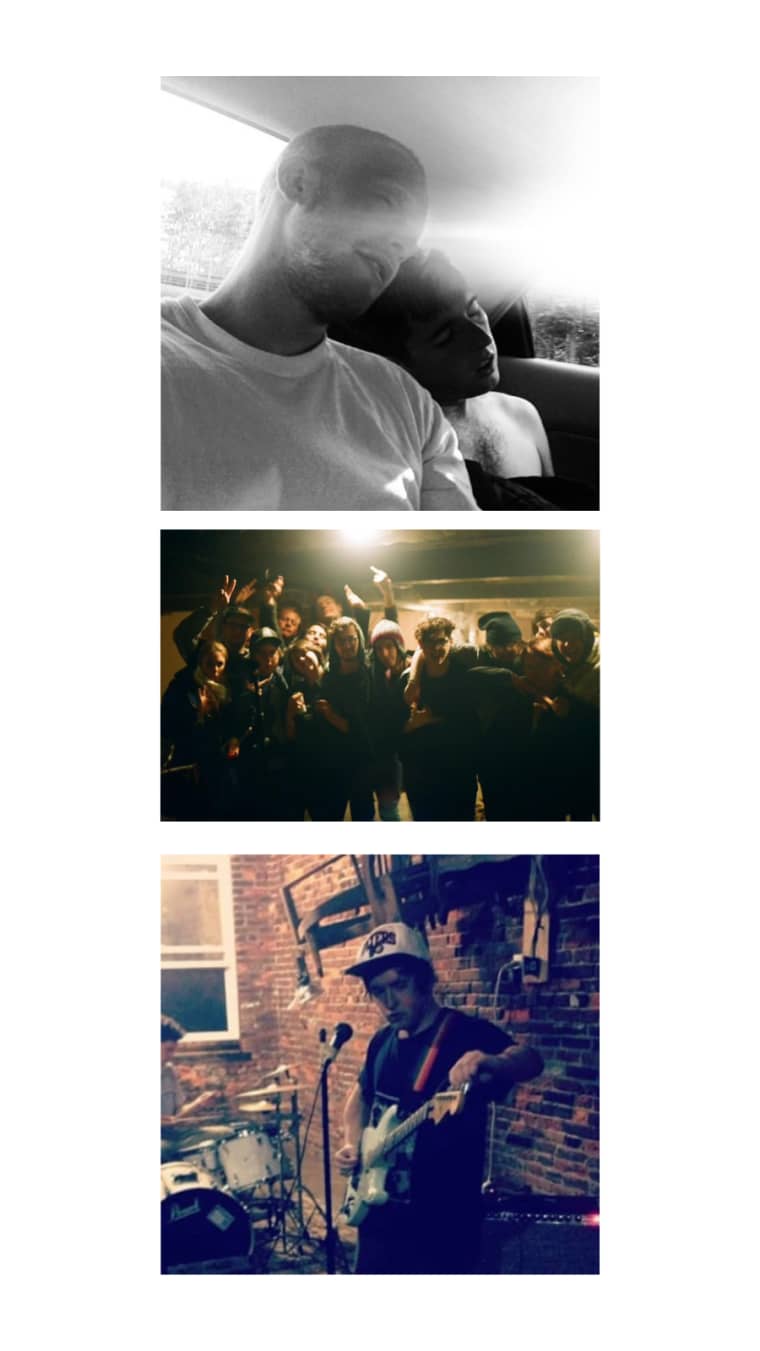 Photo by Abi Reimold (top)
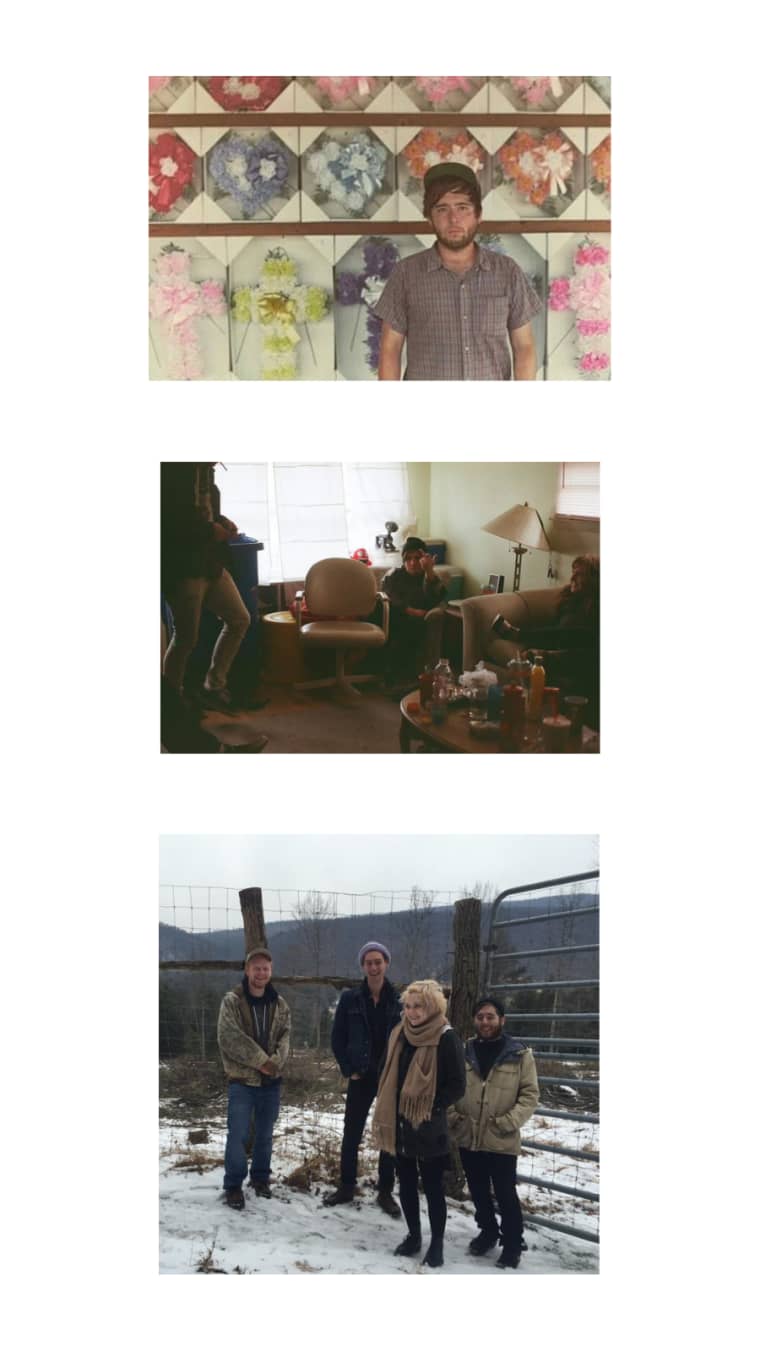 Photo by Kyle Schwander (top); Sam Ray (middle); David Struewing (bottom)
From 2015 to 2017, the group lived together in a house on Hope Street. Its filth was infamous; it became the reason why Kara, when visiting Schwander, would pee standing up and, according to Schwander, why Alex G still shakes out his towel to get rid of bugs before showering.
Cook and Schwander grew up in New Hope with Wilson, and the three got close during a freshman year social studies class. Porter and Trunfio entered the group later in 2010 — Porter through Alex G shows, and Trunfio through a class with Wilson at East Stroudsburg University. That same year, they formed Pill Friends. Trunfio described Wilson as “a preacher” or the original Philadelphia troll. “If I wanted to, I could be a cult leader,” Wilson would often say. A prime example of his absurdist tendencies, Schwander recalled.
Once, in high school, Wilson hopped out of a first-floor window because he’d forgotten his homework. He later returned, homework in hand, without getting caught. Another time, after the band had moved to the house on Hope Street, Wilson buried the house’s television as a joke. He covered the TV stand and the TV itself in soil, adding to the existing chaotic nature of the house.
“Eventually there was a hole in the TV with two poles sticking out with some type of flower,” Cook recalled. “I remember the day after he passed, going to that house and seeing that — the flowers, just, like, coming out of the TV.” I pictured it vividly, the flowers protruding out from the TV and towering over the living room.
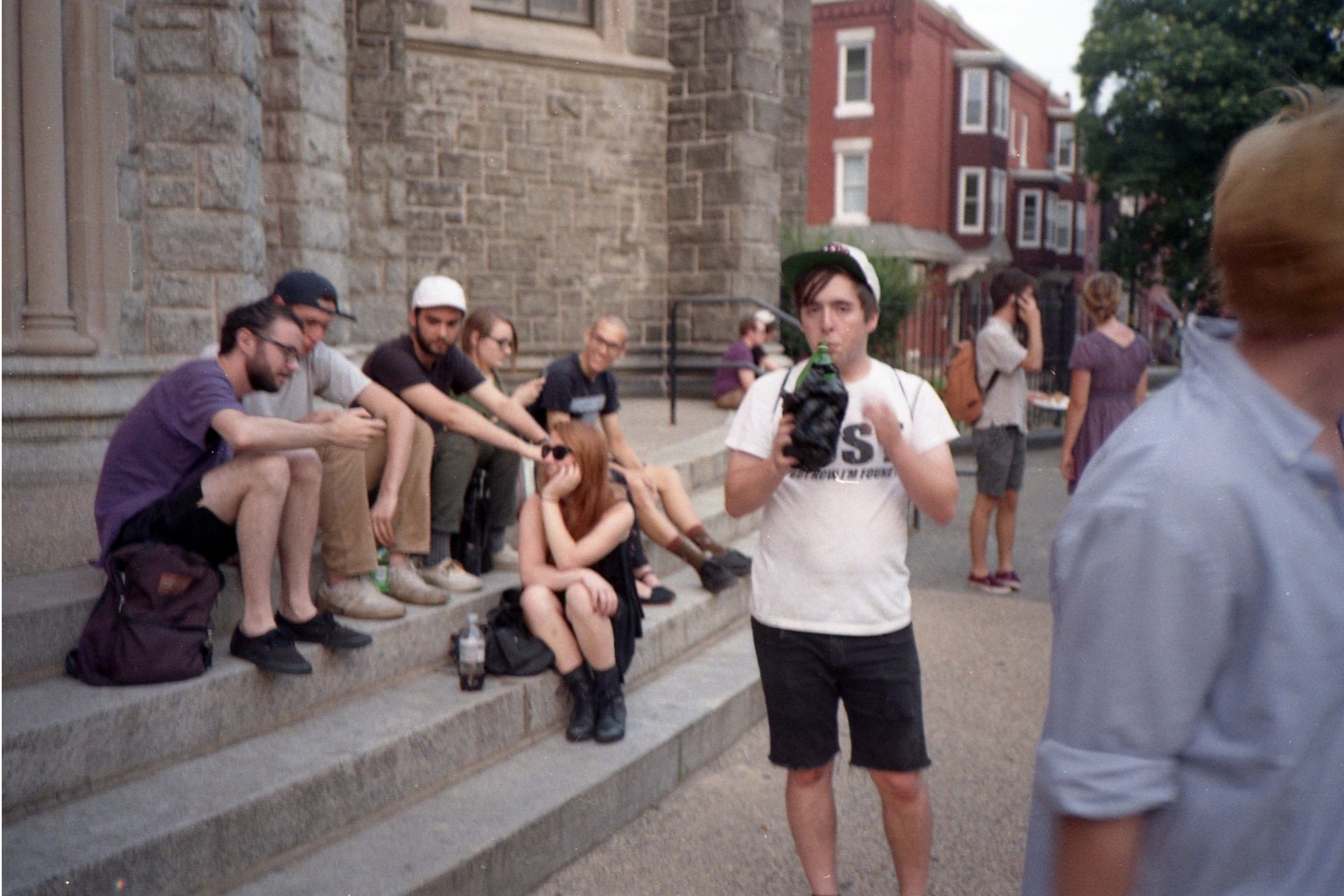 Photo by Sam Ray
Wilson had a penchant for getting emotionally attached to celebrities or fictional characters with big personalities — Brittany Murphy, Adam Sandler, Frosty The Snowman — and would work them into his humor, Trunfio said. Sometimes, that attachment would even extend to helpless creatures he’d come across in real life. One time, while on his way home from a group shrooms trip, Wilson came across a cat that had gotten hit by a car and took it home. “Like a lightless form of life. I can never put it in a way that would not seem weird or make sense,” Cook remembered of the incident. “When he was tripping, he just thought it was so beautiful because he thought, This thing can’t be hurt — to a point where he took it home and he kept it for a few days.”
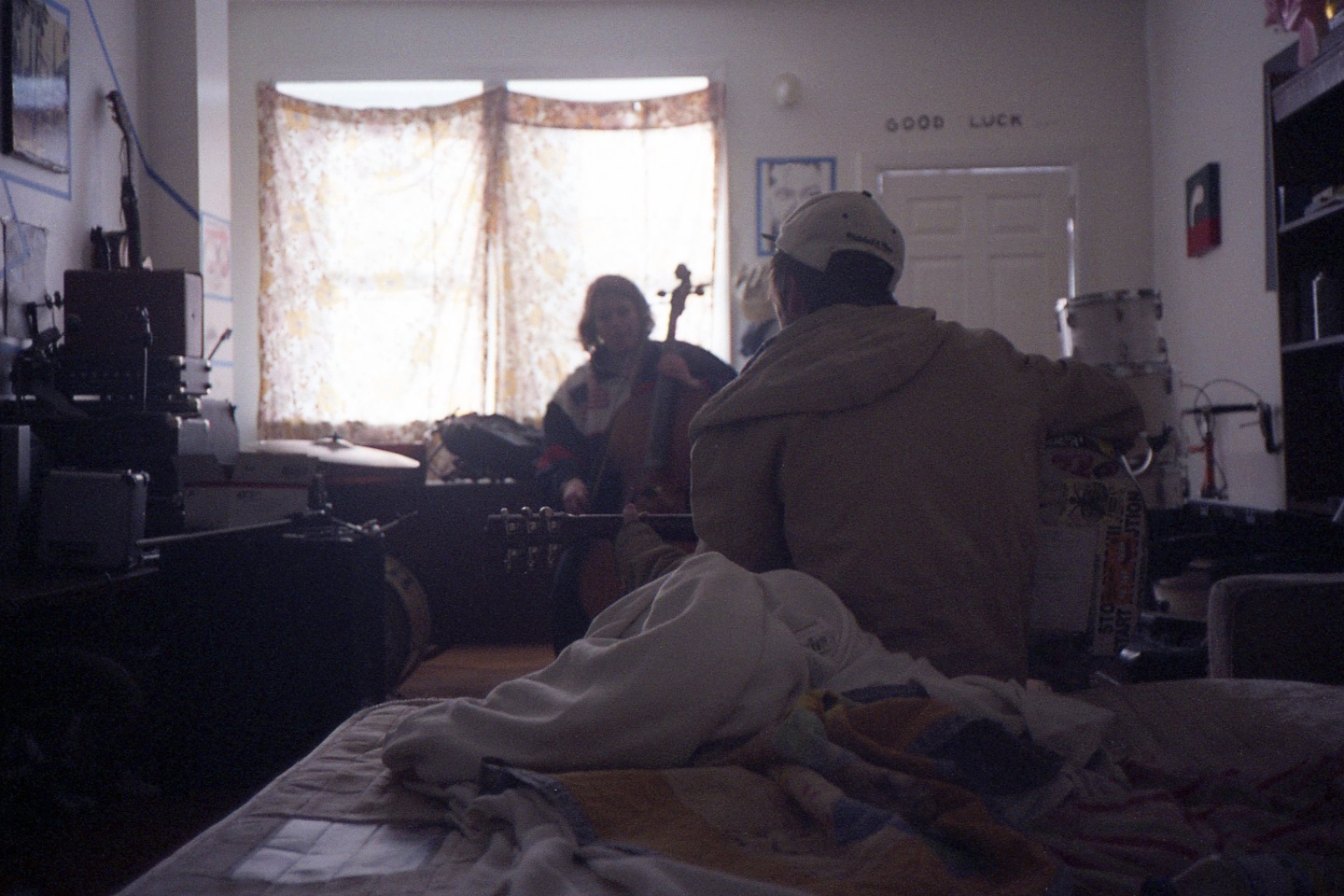 Photo by Sam Ray
When Wilson died on May 31, 2017, the band said there wasn’t a mass-grieving in the Philly indie community. Part of the reason, they believe, was because of Pill Friends’ outsider status — something that contributed to the circumstances that resulted in Wilson’s death. “His being misunderstood throughout his music career led him to his fate,” Strohmer said. “He had so many things he really wanted to share with the world and there were a lot of rejections there.” Did he mean a rejection from the Philly community? “I believe so, yes. I believe that led him to his fate.”
Still — Wilson, his music, and his tortured view on life, represented a truth about the scene, about the way art flowed from its fragile creators. “There was an aspect of instability for all of these artists that allowed them to make these beautiful things,” Strohmer said. “You can look at all these guys and see different strange fates and niches that they’ve now found themselves in. Pill Friends is just another one of those stories. Though it’s an extremely tragic story, something about it makes sense, in terms of this whole thing.”
Schwander noticed parallels in the fate of another Philly band Blue Smiley, whose frontman Brian Nowell also overdosed from Fentanyl just five months after Wilson. “I remember Ryan died and then I said to Kara, ‘Brian feels like my new Ryan.’” Schwander added. “And then he passed away a week later.”
He had so many things he really wanted to share with the world. —TJ Strohmer of Knifeplay
In the months leading up to his end, Schwander remembered that Wilson was having more manic than depressive days. His overdose was accidental, “but he was on a crash course from dealing with mental issues, you know? He got on medications from time to time, but he felt like it was suppressing who he was,” he added. It also didn’t help that Wilson believed in determinism, the idea that everything happens exactly as it’s “supposed to.” Perhaps he believed his tragic death was predetermined, too.
In hindsight, Wilson’s music foreshadowed his fate. Those close to him spoke about his art as something like a self-fulfilling prophecy, magnified by the misunderstanding that polarized him within the Philadelphia community. “[Wilson] would’ve been so aware of [the tragic irony of his death]. If he could hear me saying these things, I believe that he would say ‘Yes I Felt That.’ We are in a more absurd and gnarlier dystopian situation than we were eight to 10 years ago and I think Ryan saw that and there’s a possibility that he just wasn’t interested in experiencing it,” Strohmer said.
Schwander still feels Wilson’s legacy in his day-to-day life. As he tours, designing and selling merch for Alex G, he gets to hear full-venue crowds of people singing along to Alex’s song “Hope,” written in memory of Wilson: “He was a good friend of mine / He died / Why I write about it now? / Gotta honor him somehow / Saw some people crying that night / Yeah, Fentanyl took a few lives from our lives.” He’s often approached at the merch stand by kids wearing Pill Friends shirts.
We reached the gazebo area, where the band gathered around the perimeter. Porter’s baby perched on her thigh and her eldest daughter picked flowers in the grass. The group seemed elated to have an excuse to reminisce about Wilson, but I could feel the grief in the air from the start. I asked what they missed most about him. Silence followed. Then, Porter began to cry, explaining how she often imagined Wilson talking to her in the car after her daughter was born.
“[My daughter’s] dad left us when she was a baby, and whenever I was driving, I would just imagine [Wilson] sitting in the car with me and talking about... what changed him when he had a baby,” she said. “And I would listen to different songs and think about what he would like about those songs or make fun of.”
 Photos by Brittany Deitch
Schwander, meanwhile, feared forgetting Wilson’s voice. “If I had any question about something I read, I would go to Ryan, I’d be like, ‘What do you think about this?’ If I read philosophy I’m like ‘What do you think about this?’ I know that I’m not smart. He was smart. And so I’m gonna lose that voice. I’m gonna keep getting older. And 25-year-old Ryan’s not going to exist in my brain anymore.”
It’s true Wilson didn’t leave a traditional legacy; he wasn’t rallied by show-goers and didn’t inspire a new Philadelphia sub-genre. But his individualism and commentary live on in Pill Friends’ songs, which still feel purposeful to this day. Like a breadcrumb trail for people to meet him and his story, the music is a trace of wisdom, a way to skip past alienation. The people who’d need to hear it, who’d really get it, would unearth him, like me. Through it, Ryan Wilson has finally come to be understood.
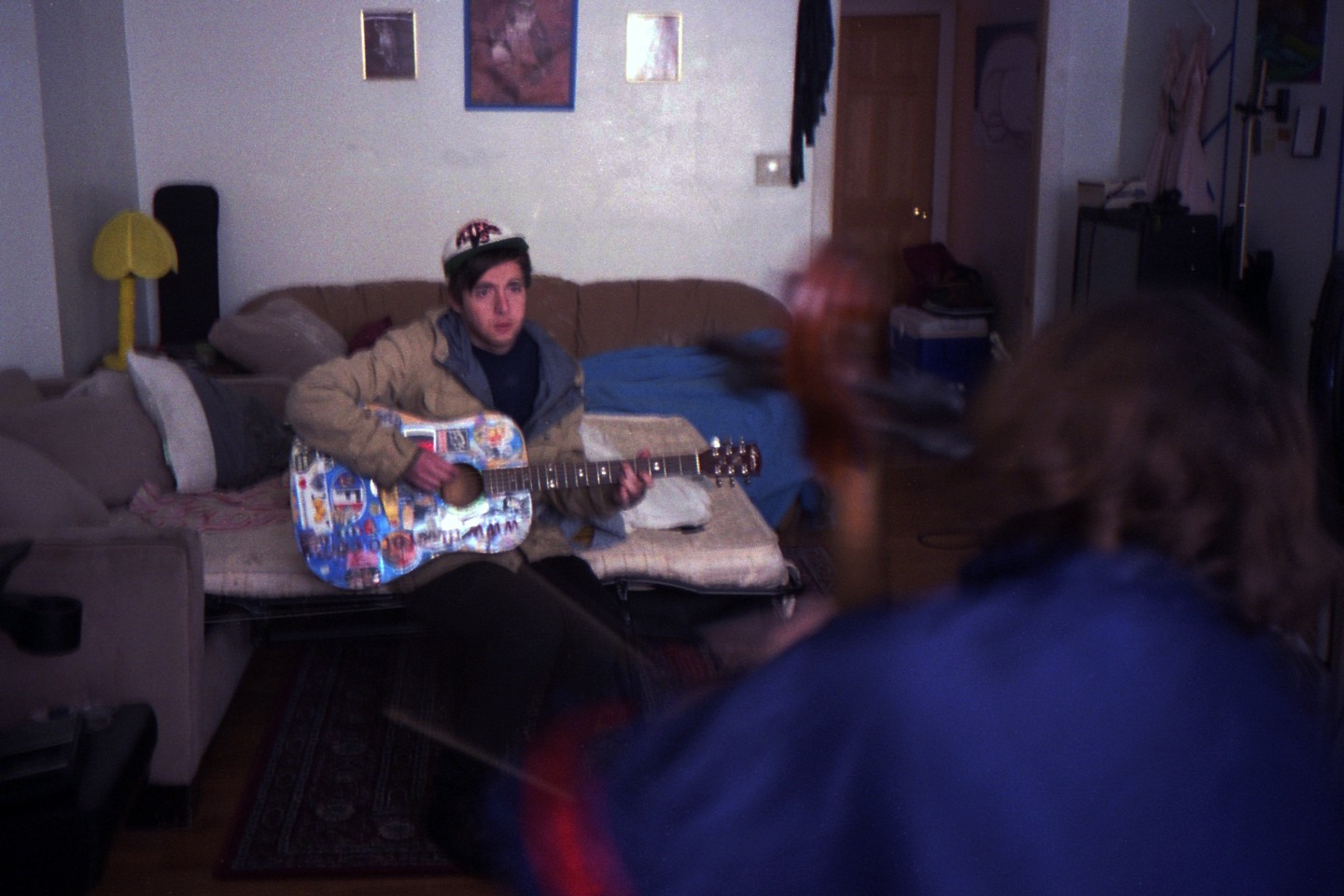 Photo by Sam Ray