9 DJs on the legacy of Detroit techno
Delano Smith, Rimarkable, Boys Noize, and more explain why they’re optimistic about the future of genre at Movement Festival.


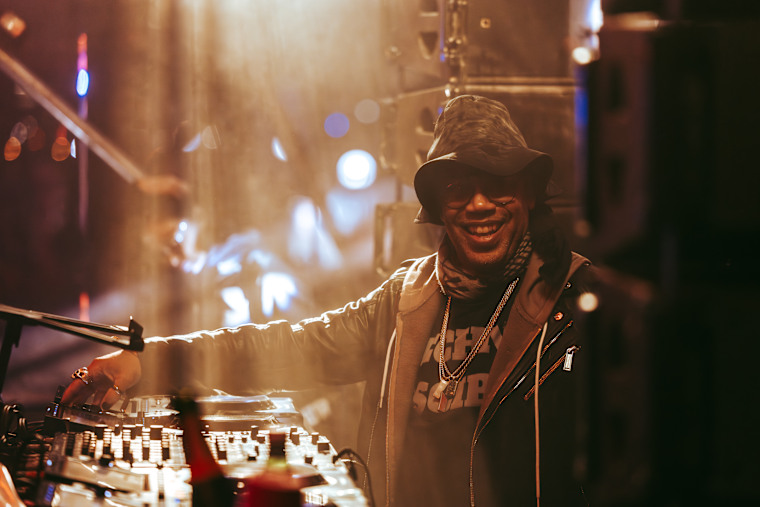 Photo by Jake Mulka
There's nothing quite like listening to techno in its hometown. On May 25, Detroiters and global techno lovers alike celebrated the legacy of the electronic genre at Movement Festival in downtown Detroit's Hart Plaza.
Movement Festival, which celebrated its 20th year in 2026, brought together founding artists like Kevin Saunderson, longtime musical pioneers like Stacey Hotwaxx Hale, and global electronic tastemakers like Nia Archives and Boys Noize all in the same hopping metropolitan plaza. Initially known as Detroit Electronic Music Festival (DEMF), the free event has changed a lot since its first year in 2000. It still is the undeniable heart of the City during the annual weekend festivities, where the city becomes flush with parties at clubs, homes, and bars, in addition to Movement's epic programming. Other standout parties included longtime favorite of local and out of town techno heads Return To The Source at Tangent Gallery, and Theo Parrish's party at Lincoln Factory, which also featured cornerstone of the scene, Delano Smith.
The FADER chatted with Detroit legends and visiting artists alike to chat about the significance of Movement Festival, the legacy of Detroit techno, and the future of electronic music.
Delano Smith
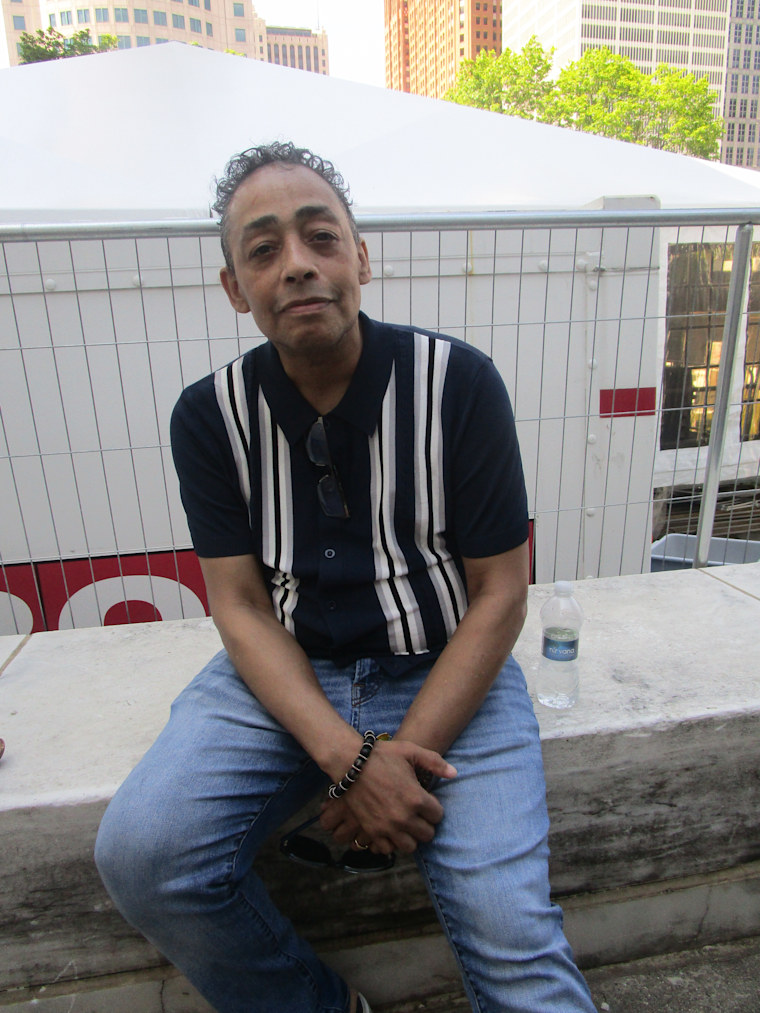 Photo of Delano Smith by Hajin Yoo for The FADER
The FADER: What is the importance of Movement Festival to Detroit Techno?
Delano Smith: It's done a great deal for the city—mainly bringing in people from all over the world and pouring dollars into the economy in Detroit. It also keeps the spirit of electronic music alive and introduces it to the younger generation. They still have old cats like me around and [help us] garner a fan base.
How are you feeling about the future of Detroit Techno at this moment?
I feel the future is very strong. With a lot of the younger generations making music now—it's so easy to make techno now with all the software and the new machines coming out. I think that is helpful in bringing up new artists.
DJ Holographic
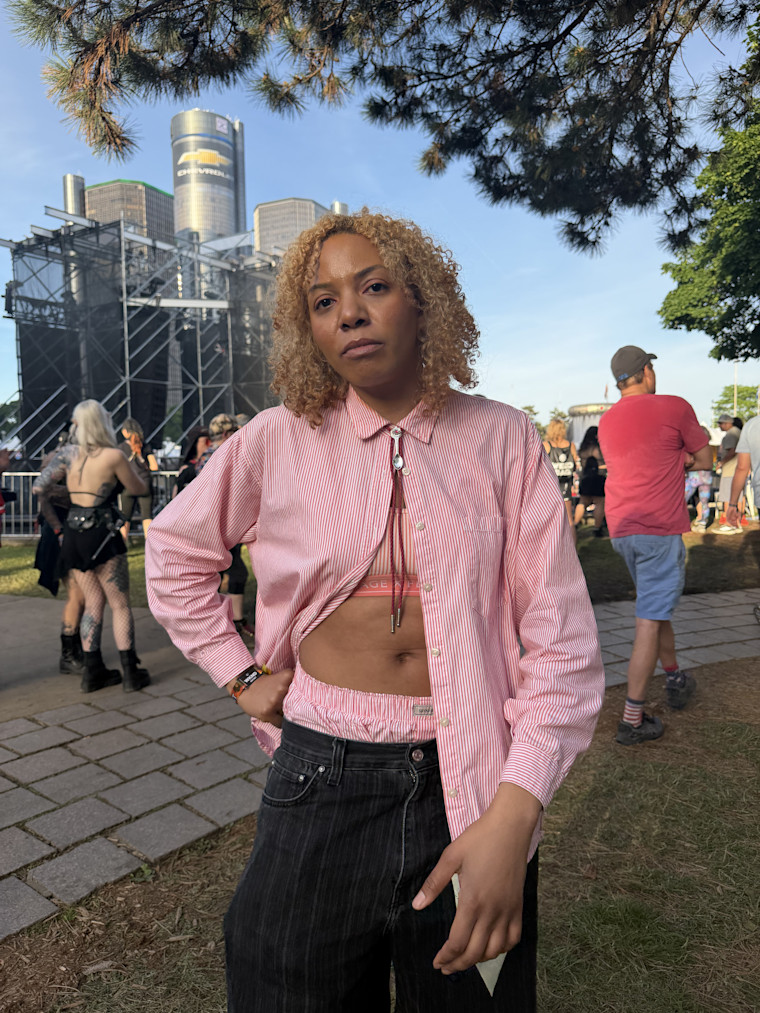 Dj Holographic at Movement Festival for The FADER by Hajin Yoo
The FADER: What’s the importance of Movement Festival to Detroit?
DJ Holographic: It actually brings in such an international energy: international people, income, music from around the world. Detroit is in America but it's so not American. It's really nice to get all these people coming in here celebrating a revolution of dance.
You’re someone who's considered part of this new generation bringing Detroit Techno forward. How are you feeling about the future and longevity of Detroit Techno?
Detroit Techno is the future. I keep making new friends, new family members, and I love it. I'm DJing and I see a friend that I met when I first arrived or friends from high school or friends from when I started learning how to DJ. For me, Detroit techno is going to outlive us all, which is a blessing. I'm not worried about it. As long as people really do it from the heart it'll always be there. When people start doing it for showmanship of "look at me, look at me" — then that wasn't techno to begin with. It was literally from the heart of Black men in Detroit to express themselves when nobody was listening. Now the world's listening.
DJ Seoul and T. Linder (Detroit Techno Militia)
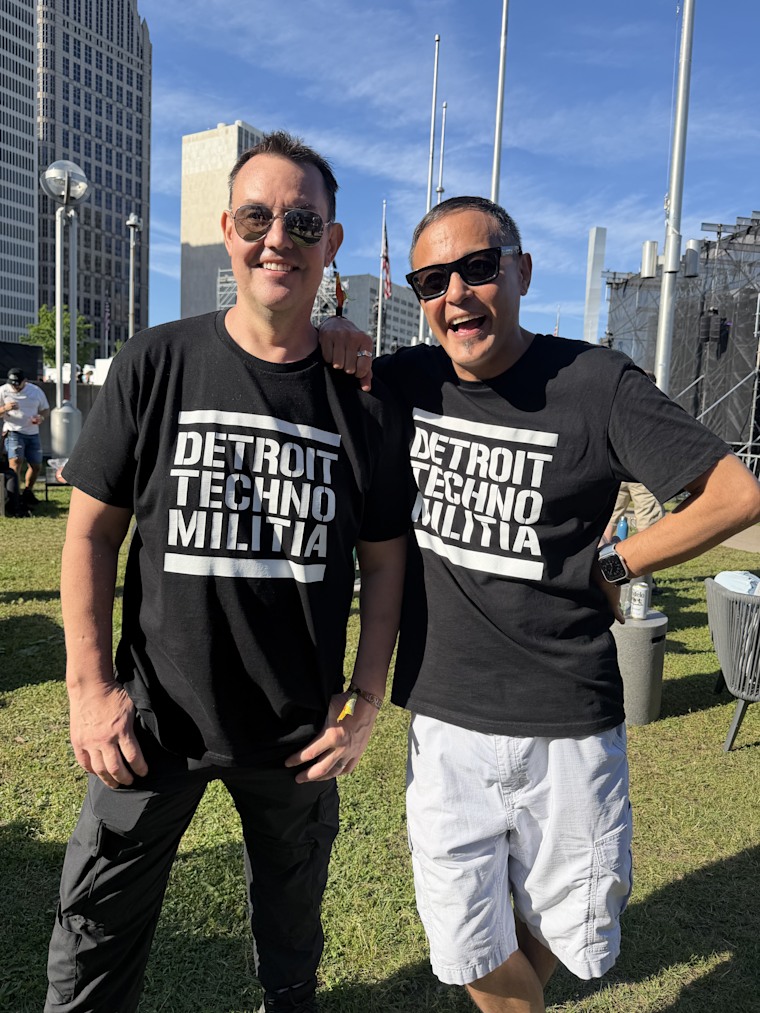 Photo of DJ Seoul and T. Linder of Detroit Techno Militia by Hajin Yoo for The FADER
The FADER: How would you describe the Detroit techno ethos?
DJ Seoul: Detroit Techno historically has a lot more soul in it. It's got a lot more feelings. It's not just banging techno, but we represent the more aggressive side of that. That's the aesthetic that we find in our friends and colleagues around the world: we play way more aggressively but also with a lot of soul.
T. Linder: [Detroit Techno Militia play] aggressive, a lot of Detroit stuff still, but it's not super melodic stuff . It’s all action and aggression.
What’s the importance of Movement Festival to Detroit techno?
DJ Seoul: Look how many people are here experiencing a lot of different music, but they're here for Detroit Techno and we're one small part of that. I'm so glad that so many people came to see us.
Boys Noize
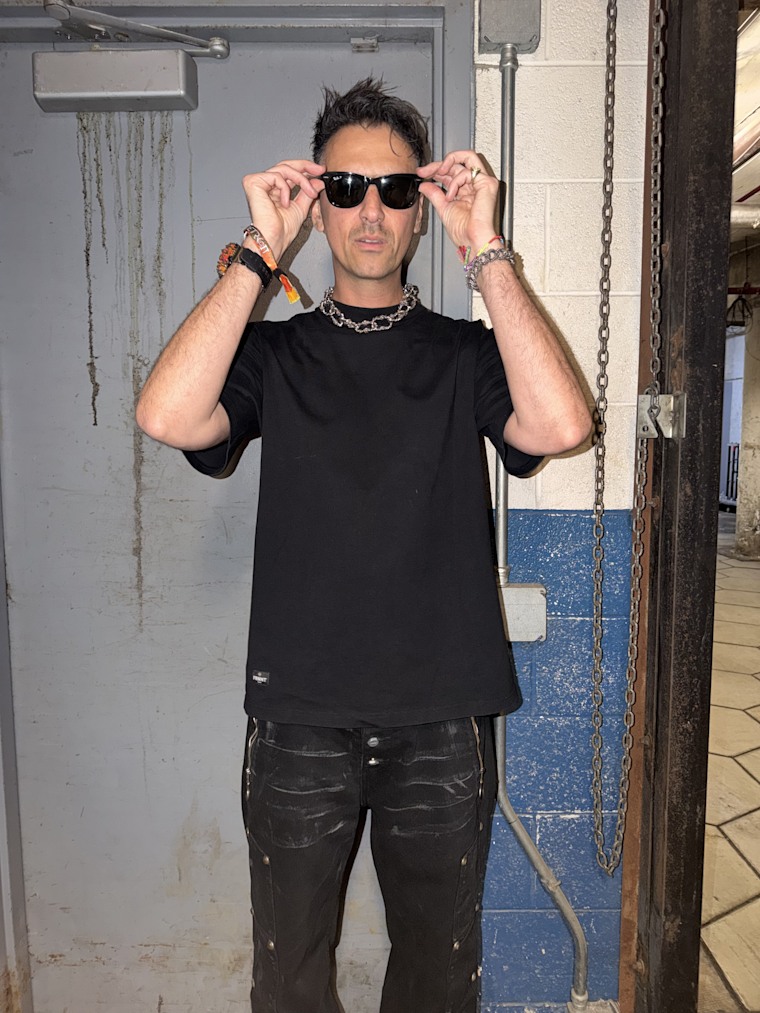 Photo of Boys Noize by Hajin Yoo for The FADER
The FADER: Tell me about how it feels to play at the birthplace of techno?
Boys Noize: It's always a big pleasure. I always go to the record stores here like Submerge. I don’t play purely techno, but everybody's so open and respectful. [In Detroit,] they have their own thing, but they are also so happy when other people enjoy, share and collaborate. it's an honor to be here, and Movement always puts down one of the best lineups in electronic music.
Stacey Hotwaxx Hale
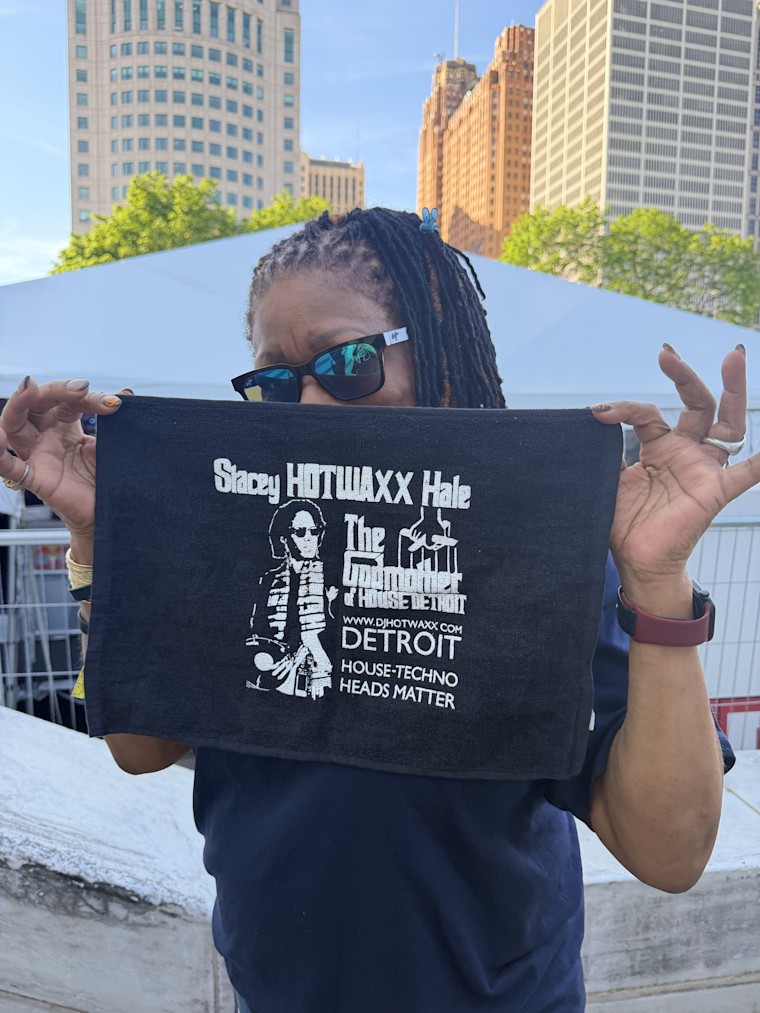 Photo of Stacey Hotwaxx Hale by Hajin Yoo for The FADER
The FADER: What’s the importance of Movement Festival to Detroit techno?
Stacey Hotwaxx Hale: The world is recognizing Detroit for its music and its culture. Most of the time people just think Motown. We’re way more than that, not to take anything away from that. But it is 2026. Bringing many different types of music all up under one roof in Detroit is priceless.
What sparked your early interest in DJing?
That gets deep into my culture in my young days. I've always been a rebel, so now 40 years later I'm still a rebel. That's how I'm able to embrace house, techno and all that. My siblings were 10-20 years older than I. They were Motown. They were all that, but they loved music and so they had a wall of albums and they wouldn't let me touch them because I was a little kid. So the seed was already planted. I would throw little house parties and charge them 25 cents.
I've never been Top 40. I am not EDM. I'm not hip-hop. Sometimes the music in that genre is good and we make a lot of that good music here in Detroit. I've always and will continue to always put my own twist on it, to make it me and to make it be the flavor of other sounds. That's how you do it: It's called a remix.