

 Zenzelé
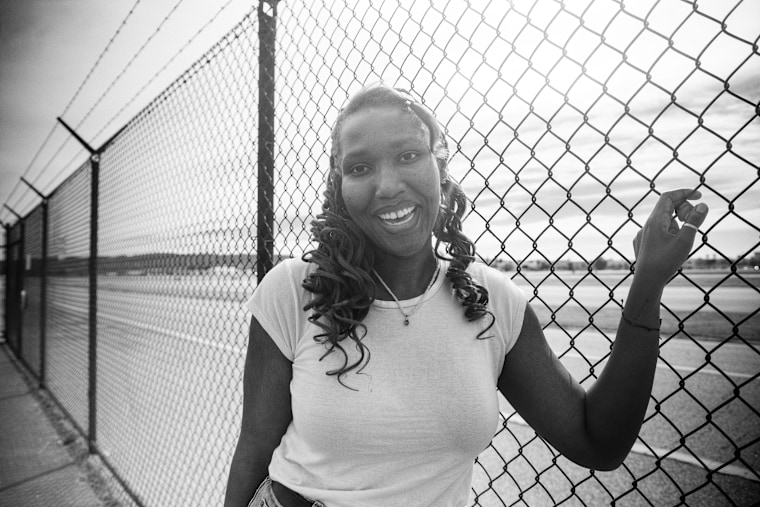
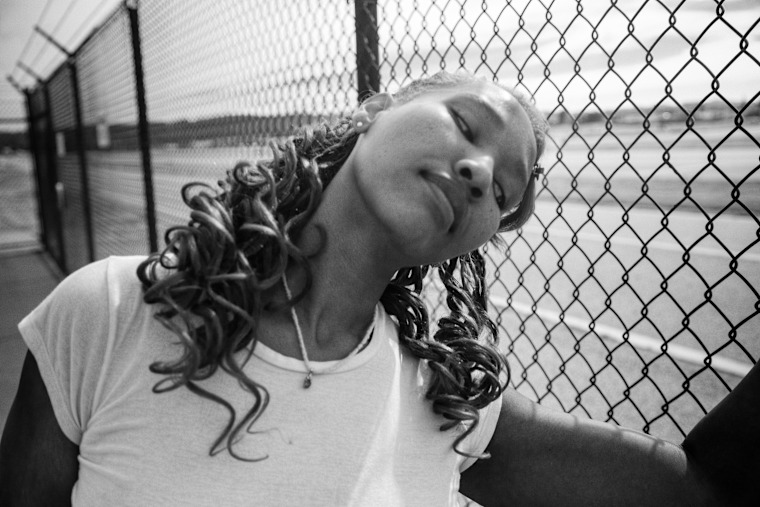
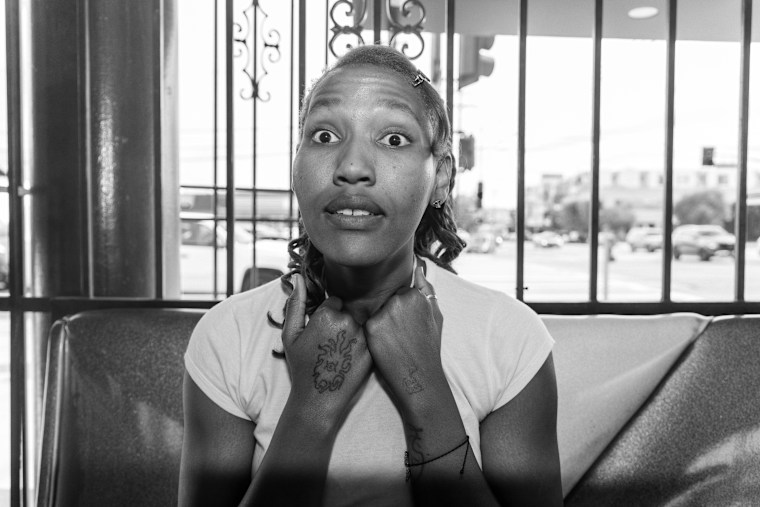
Jordan Patterson calls herself a valley girl, but she speaks with a slow, Southern drawl. She inherited her accent from her mother and grandmother, “the most Southern woman you’ll ever meet,” she says, over a recent video call from her sunny Los Angeles home. Both women were born and grew up in North Carolina, where Patterson lived, too, in her earliest years, before her brother’s childhood acting career brought the family out West to L.A. She adopted Hollywood’s hustler, golden-hued optimism, but kept her birthplace's breathy, deliberate way of speaking. Now, she’s using that voice to express profound truths in her own music.
Patterson’s voice is a multipurpose instrument. Sometimes on Patterson’s debut album, The Hermit (named one of The FADER’s favorite albums of 2025), it’s soft and churlish, like a half-utilized flute. Other times it’s yawning like a great cry into the sky. Her expansive and playful approach to vocalization pairs well with her songwriting, which is often focused on the most basic, vulnerable elements of our emotions and formative experiences — like on “Jim,” a subtly devastating recount of a childhood imaginary friend.
Other people have always talked about Patterson’s voice. In high school, at the famous Los Angeles County High School for the Arts (LACHSA) which counts Phoebe Bridgers and the HAIM sisters as alumni, her theater teachers constantly reminded her that she “needed to project.” “That became such a trigger for me, ” Patterson says. “I didn’t always want to be loud. I'm tall and typically the only black woman in the room. I was always taking up more space than I ever wanted.” With her music, though, she could sound exactly as she wanted.
 Zenzelé
Patterson began releasing music and playing live shows around the time she graduated high school in 2018. She embarked on her nascent career with a straightforward approach. “I was just emailing people to come to my shows. It all seemed quite simple.” She gigged in “shitty venues” and Pasadena house shows, and emailed people like Dijon and producer Henry Kwapis (Dominic Fike) to work together. Along the way, she opened for Cameron Winter, Swedish guitar pop savant Jens Lekman, and rising Australian folk project, Folk Bitch Trio. Her early music is not online anymore (“I wanted a fresh start,” Patterson says), but following The Hermit’s warm reception she signed to Secretly Canadian, the storied indie label behind Faye Webster, Bon Iver, and ANOHNI.
On Friday, June 19, Patterson released her EP Songs From A Valley Girl , her first project with the label. The project’s five songs trade The Hermit’s hallowed emotionality for something bubblier, if not still aching. “There needed to be a levity,” Patterson says of the new EP, which was written among songs that will be included on a forthcoming full-length project. “These songs were practices at love, affection, lust and desire.”
She cites the early-aughts, big-feelings music of Corinne Bailey Rae, Sara Bareilles, Feist, and Eliza Doolittle as sonic inspirations for the new project. “I had only ever listened to soul music growing up,” says Patterson. When she got her own iPod in middle school, it was these singers who inspired her. “They never took themselves too seriously.” Even with this shift in production, Patterson still uses her voice to express the entire spectrum of emotions, like on album opener “QDS” — a looming piece of acoustic guitar and piano-led anthemics that reminds me of Tidal-era Fiona Apple.
The song, Patterson says, is about how someone she was seeing took her to a “crack house.” “I could not believe that I was there and I left,” she recalls. “I swore I would never see that person again. And I absolutely did,” she laughs, grimly. “That song really saved me. I needed it to remind [me] to stay away from this person and this situation. Certain songs are reminders.”
The entire record could be read as a multi-hued reflection on being a valley girl. The valley is a place where working class Angelenos, who can’t afford to live over the hill, settle into a more affordable, suburban lifestyle. It’s also a place where culture industry tycoons and affluent artists make homes in the likes of Sherman Oaks and Studio City. Patterson was living in one-bedroom apartments with her mom, grandmother, aunt, brother, and niece during a time in high school. And while Patterson balanced her close quarters life in the valley, she was hobknobbing with wealthier children from across the city. “The wealth was just enormous,” Patterson remembers of the families she began to encounter. “I was just a sponge.”
That expanse of experience is reflected in the EP, from “QDS”’s stark look at love and danger amidst drug use, to the cozy adolescent melancholia of “Win You” where Patterson sings of young heartbreak with a comic existentialism (“She said life is long, well is that true”). A touch of suburban dramedy comes up, too, on career-best track “Last,” which sounds like a campfire singalong, with a touch of musical theatre intensity (“Last night I found you running / Past my street sign / And you looked stunning”).
Patterson describes herself as constantly “hopping between fear and hope,” and one can hear that raw, teetering feeling in her work. Similarly, she’s quick to get emotional as she talks about her music, even while flashing a smile.
With her face flushed red and tears in her eyes, she tries to pinpoint what her purpose is. She lands on a memory of her grandmother. “[As a child], she’d always grab my cheeks and I just remember feeling like, Whatever this feeling is that makes her want to hold me and touch me is what music is the conduit for.”