Michael Cloud Duguay is creating beauty with disappearing church organs
As congregations shrink, Newfoundland’s church organs are disappearing — thankfully Michael Cloud Duguay has recorded them in a moving new project.


 Noah Bender.
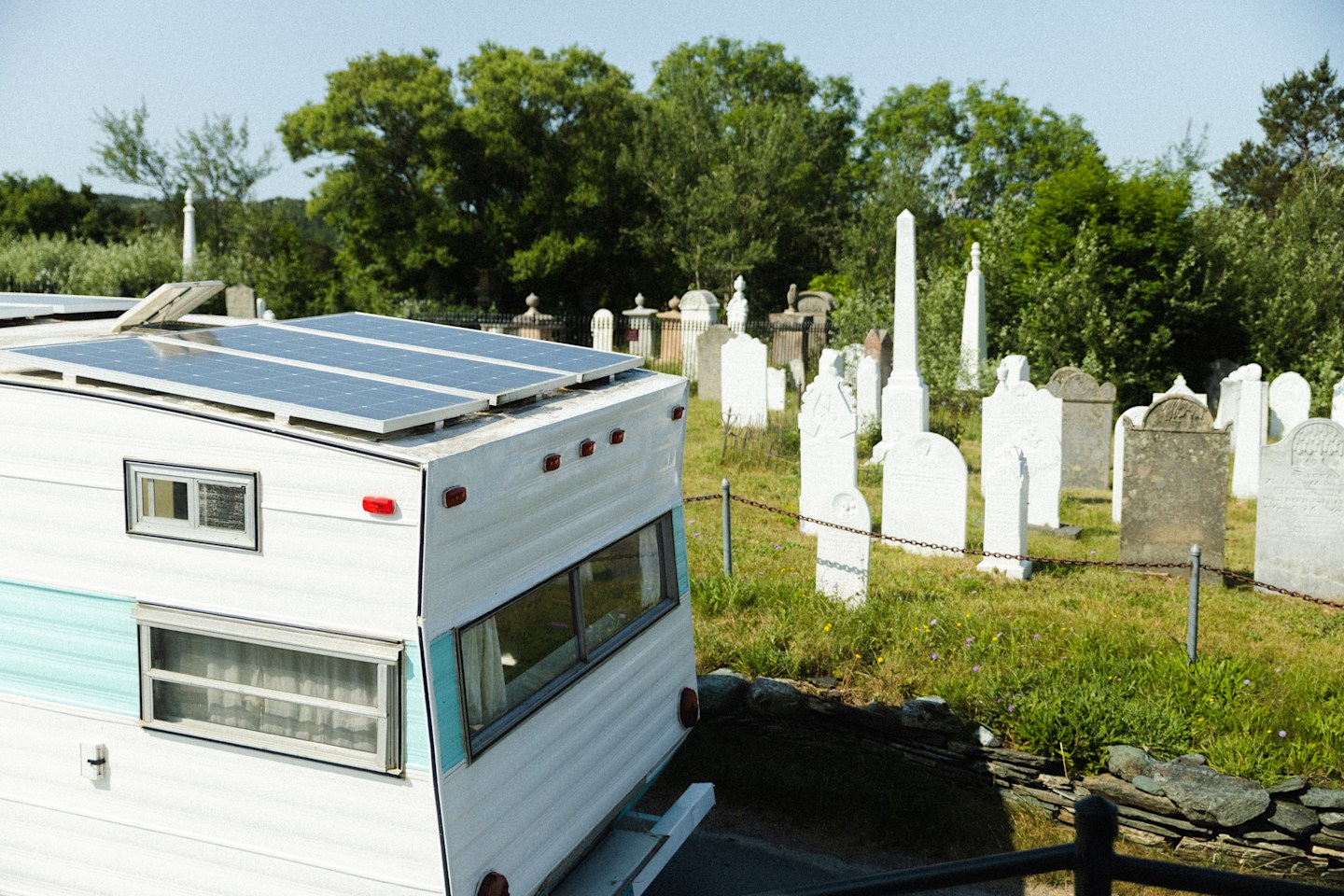
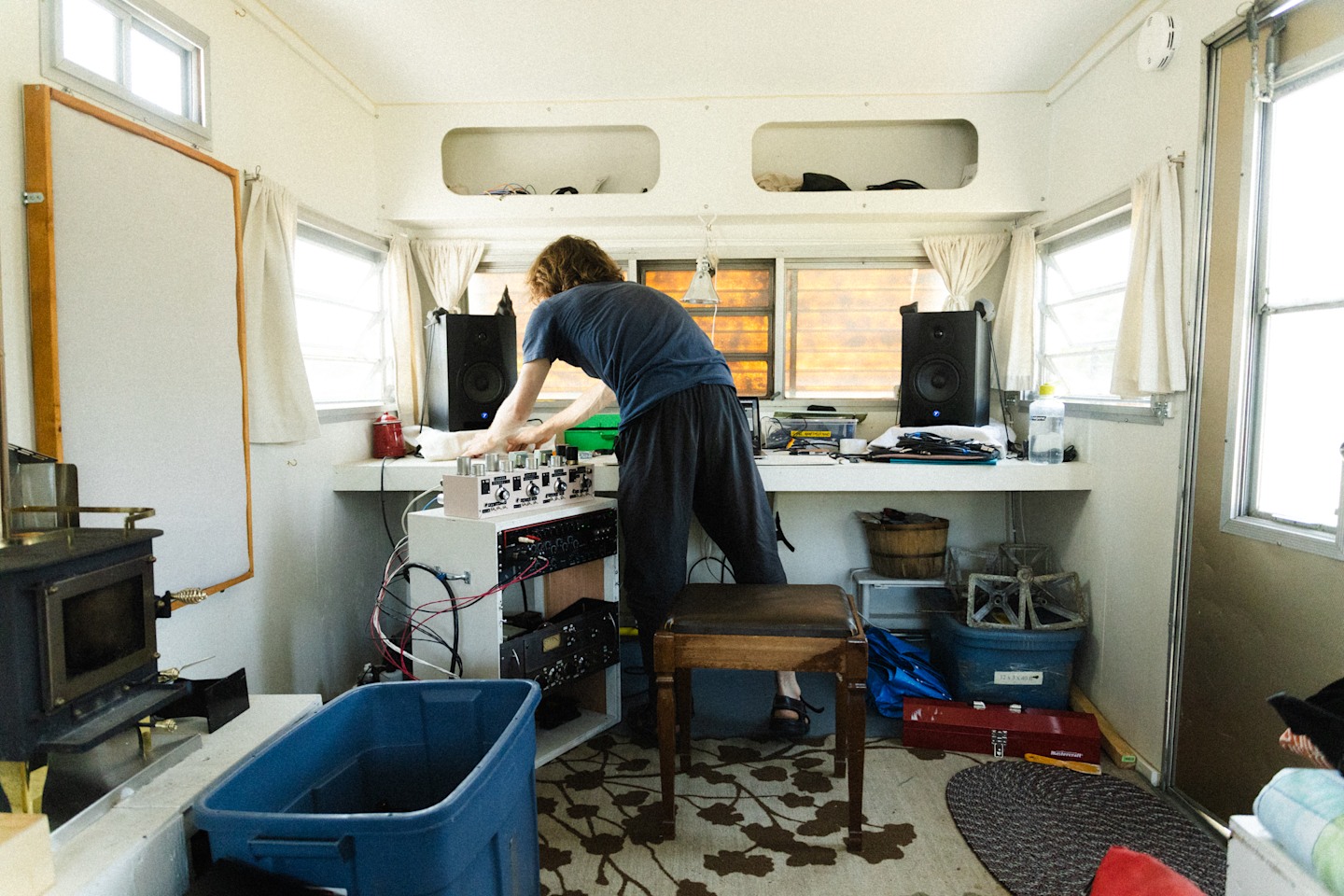
Canadian composer Michael Cloud Duguay wanted to break out of the “sterile” box of a recording studio, so naturally he found his way to a solar-powered, vehicular recording studio.
Duguay, who came up musically in the 2010s Toronto indie scene, took a 10-year hiatus from making music as he grappled with addiction. When he moved towards deeper recovery and, in turn, music, the notion of returning to the often stuffy, rigid environments of a recording studio, became a non-starter. “I was in rehab a lot. I was incarcerated at one point,” Duguay tells The FADER over a video call from his home in Ontario. “I didn't escape all that, just to be stuck in a tight space.”

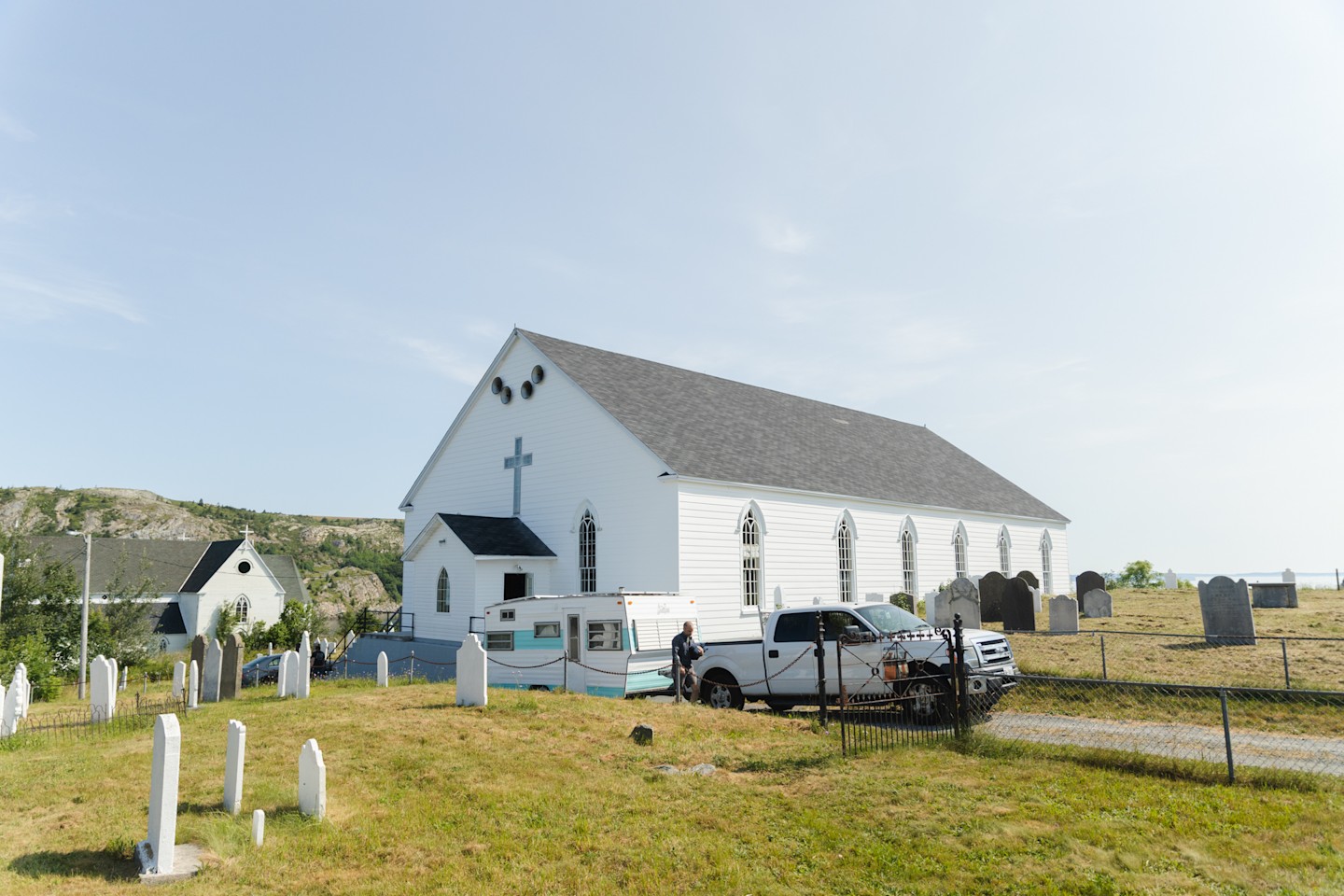
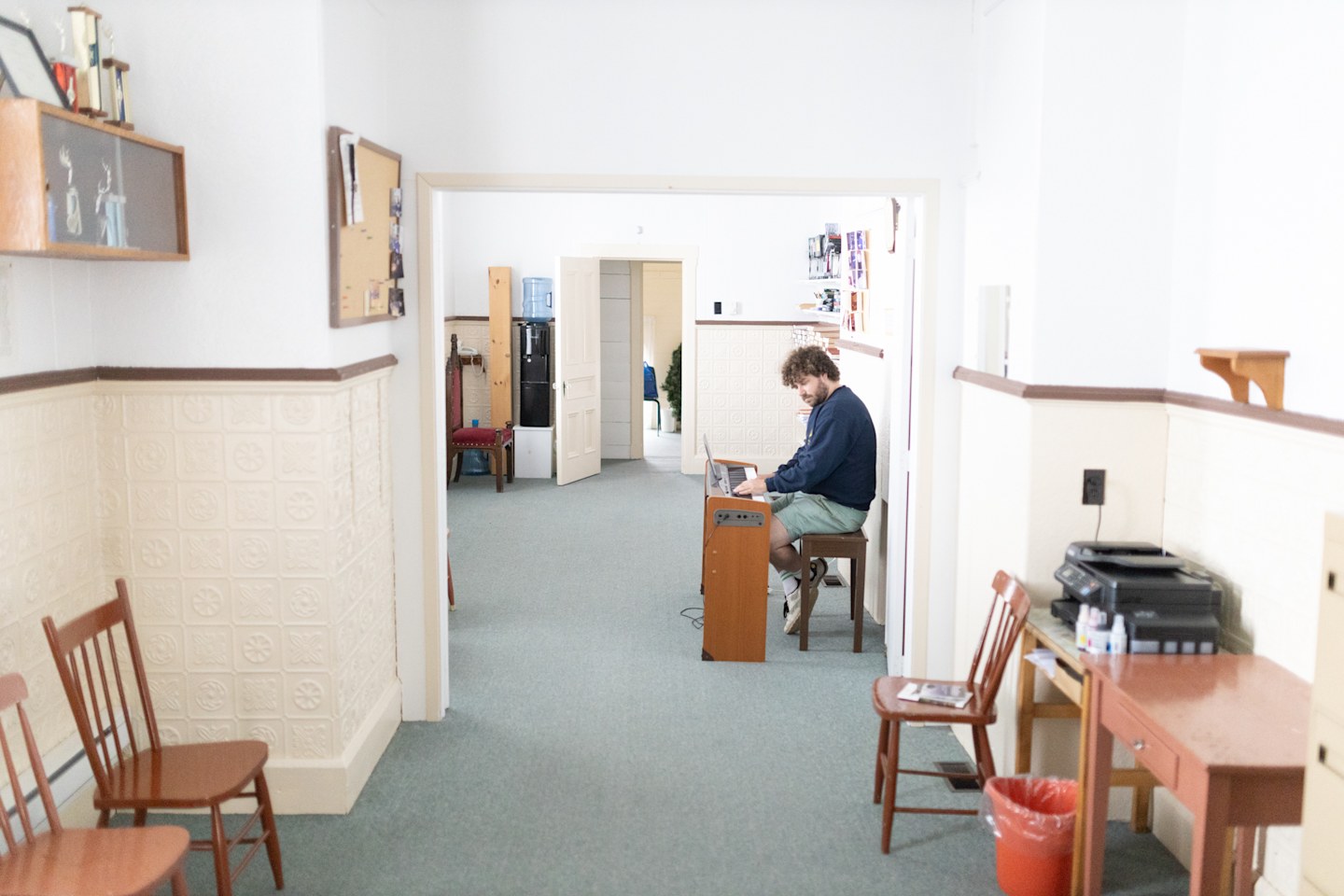
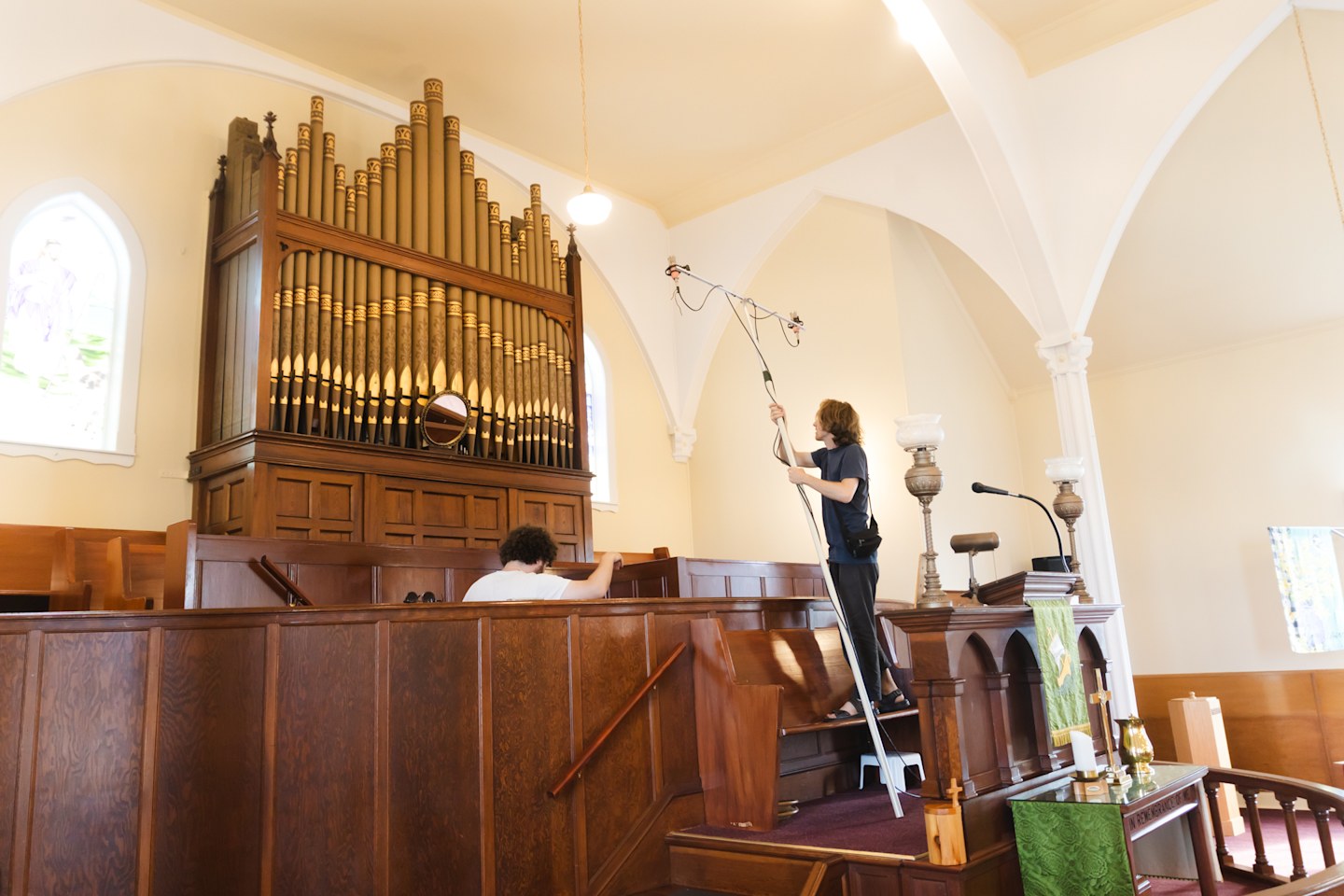
Luckily, his collaborator, engineer Jake Nicoll, had created the mobile, renewable powered set up, lovingly called “the Scamper.” It seemed like the perfect way for Duguay to be able to to record musical material (almost) anywhere.
 Noah Bender.
 Noah Bender.
 Noah Bender.
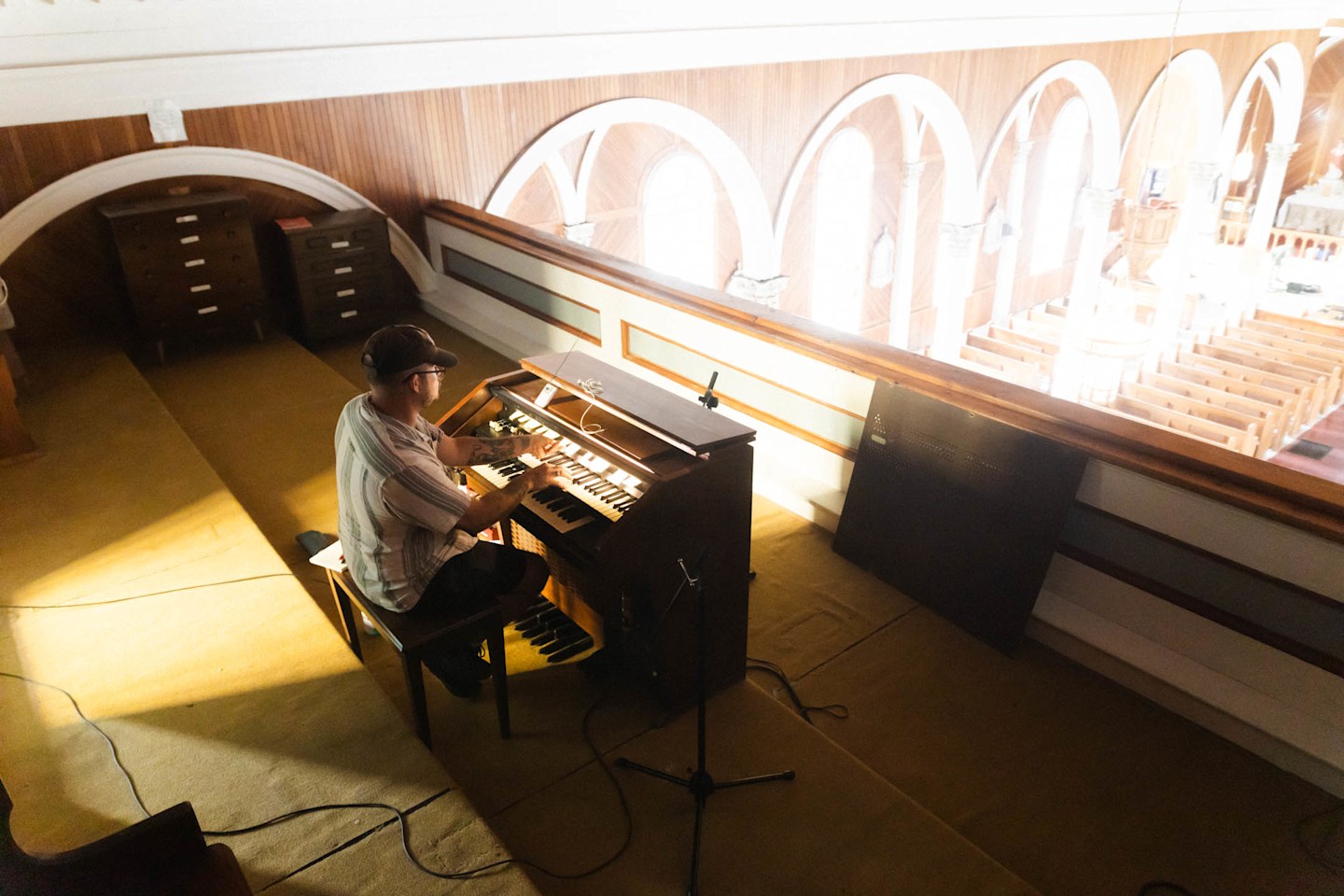
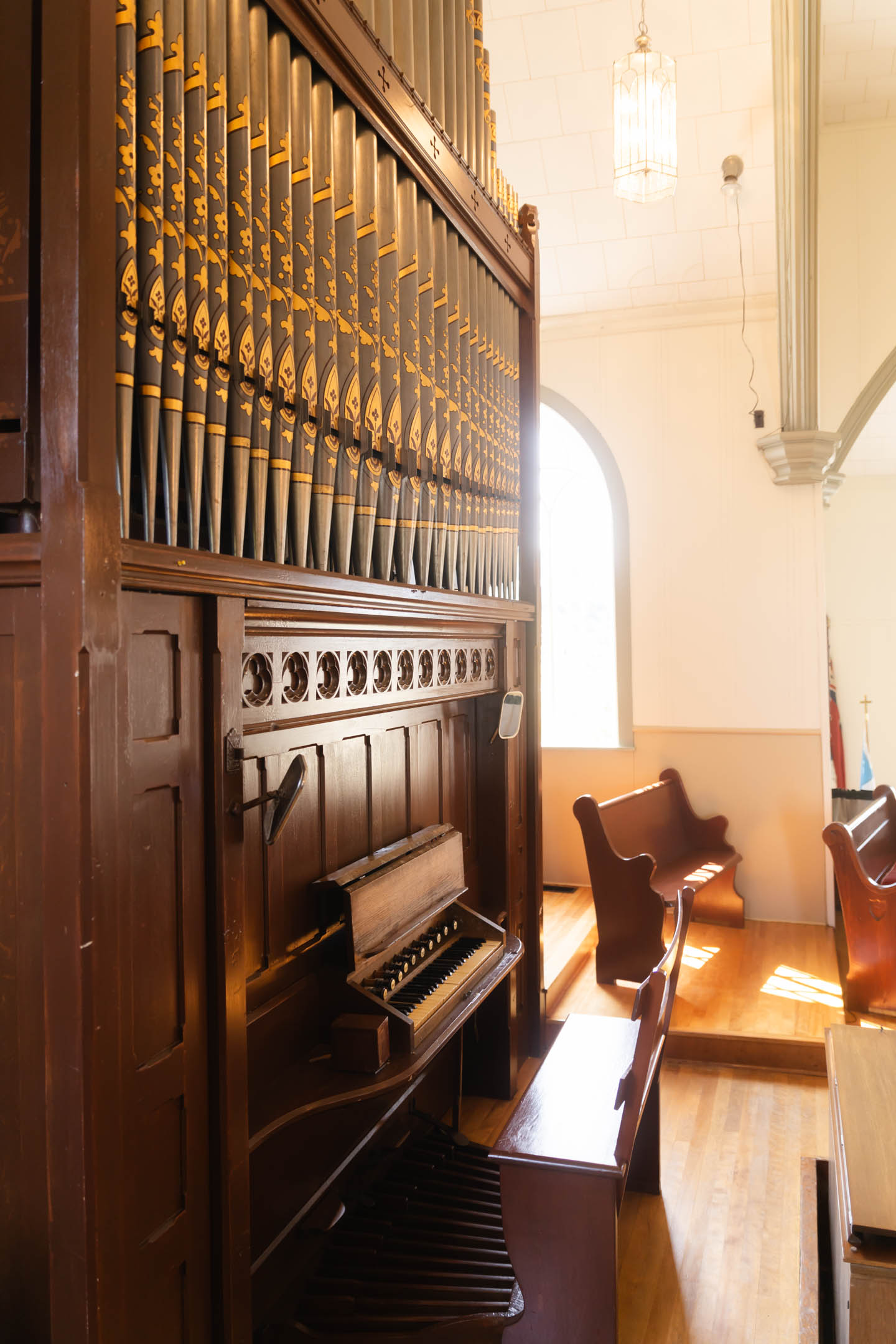
Duguay initially wanted Nicoll to drive “the Scamper” the 2,000 odd kilometers to Ontario from his home in St. Johns Newfoundland, until he realized the “trip itself could be a recording project.” Churches became the natural recording destination on the trip, respite spots with unique acoustics, local community members, and also, organs — each singularly affected by their own micro-climate, as well as Newfoundland’s humid environment.
As the idea developed, Duguay was given a handy book, An Introduction to the Pipe Organs in Newfoundland and Labrador: A Personal Odyssey published in 2012. “I started calling the churches where these organs were housed and what I discovered was that even though this had only been published in 2012, a lot of these churches were no longer open,” shares Duguay. “That was where things sort of switched: we're not simply recording organs in Newfoundland, but the remaining organs in Newfoundland.”
 Noah Bender.
 Noah Bender.
 Noah Bender.
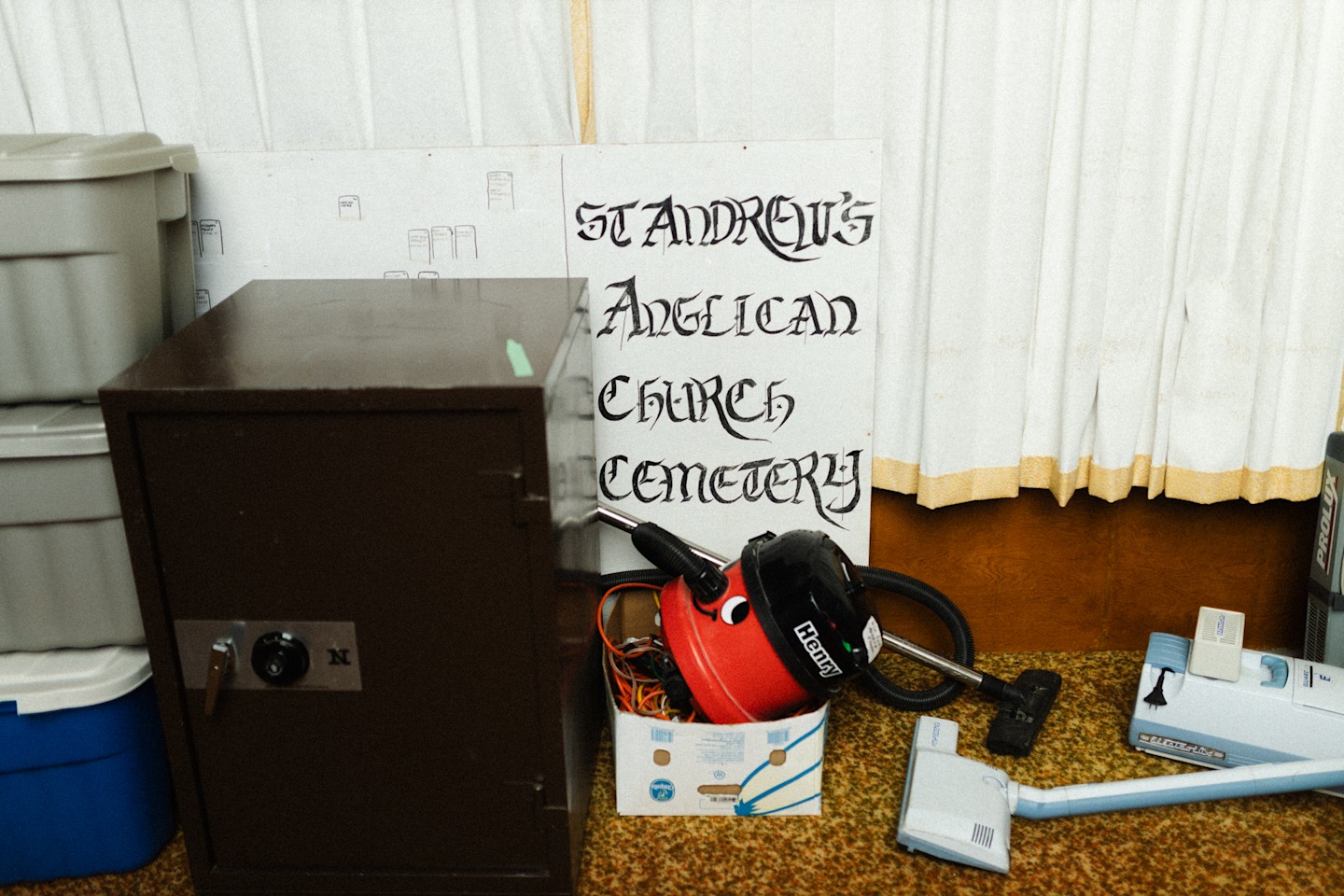
The disappearing organs thus became both metaphor and metric for a changing region. The organs were becoming inaccessible because the congregations that housed them were dwindling over time, as young generations ventured to other regions like Ontario or Alberta for economic opportunity. Duguay shares that even though these churches were made to host 2,000 people, “and now hold five congregants,” the churches themselves were “beautifully maintained.” Small groups of mainly retirees maintained a deep faith that worshippers will return, and their steady work was in service of that assured future. That faith could sometimes clash with the observed reality of the dwindling organs, and in that sense Duguay’s nascent project of using the organs became one of necessary documentation and resonant creation.
 Noah Bender.
Their effort can be heard on Kingdom Come, Kingdom Go an 11-track project that builds upon layers of the Newfoundland organs, field recordings, and interviews with local community members. Made alongside musicians Andrew MacKelvie, Dave Grenon and Nicoll on what ultimately became a 1,500 kilometer journey throughout Newfoundland, it features seven different organs, and has become a multi-prong project. The music itself was composed via a mix of midi composition, in-person improvisation, and the input of random variables, like dice, which were at times used to determine harmonic intervals. Duguay and his colleagues have even digitally preserved each organ as a playable instrument, to be released in the future.
The result is music that straddles the line between the cosmic and quotidian. On “River of Ponds” buzzes and craggly recording sounds merge into the layers of organs and saxophone that sound like sun pouring through the church windows. Interviews with the community members murmur under sonic clouds. On “Damnable Island” all seven organs are layered on top of one another, playing the same note, creating micro-tonal textures whose winsome dissonance morphs into something transcendent as melodies blow in.
The music can be taken as an ode to a changing community, or a testament to the hands and hearts that maintained these instruments and spaces. Or it may merely be taken as the capturing of a moment in time, a small collective recording while on the go, using little but the sun’s power and some know-how. For Duguay, though, he seems to focus most intently, on the experience of making itself, and the “automatic trust” of the congregants.
 Noah Bender.
“That’s not what makes the world tick these days,” shares Duguay of the congregants’ openness and generosity. “There’s a deficit of trust. I sometimes wonder, are we losing faith in decency?” Quiet as an organ’s hum, such an ethos still maintains, no matter how infinitesimally quiet.
 Noah Bender.