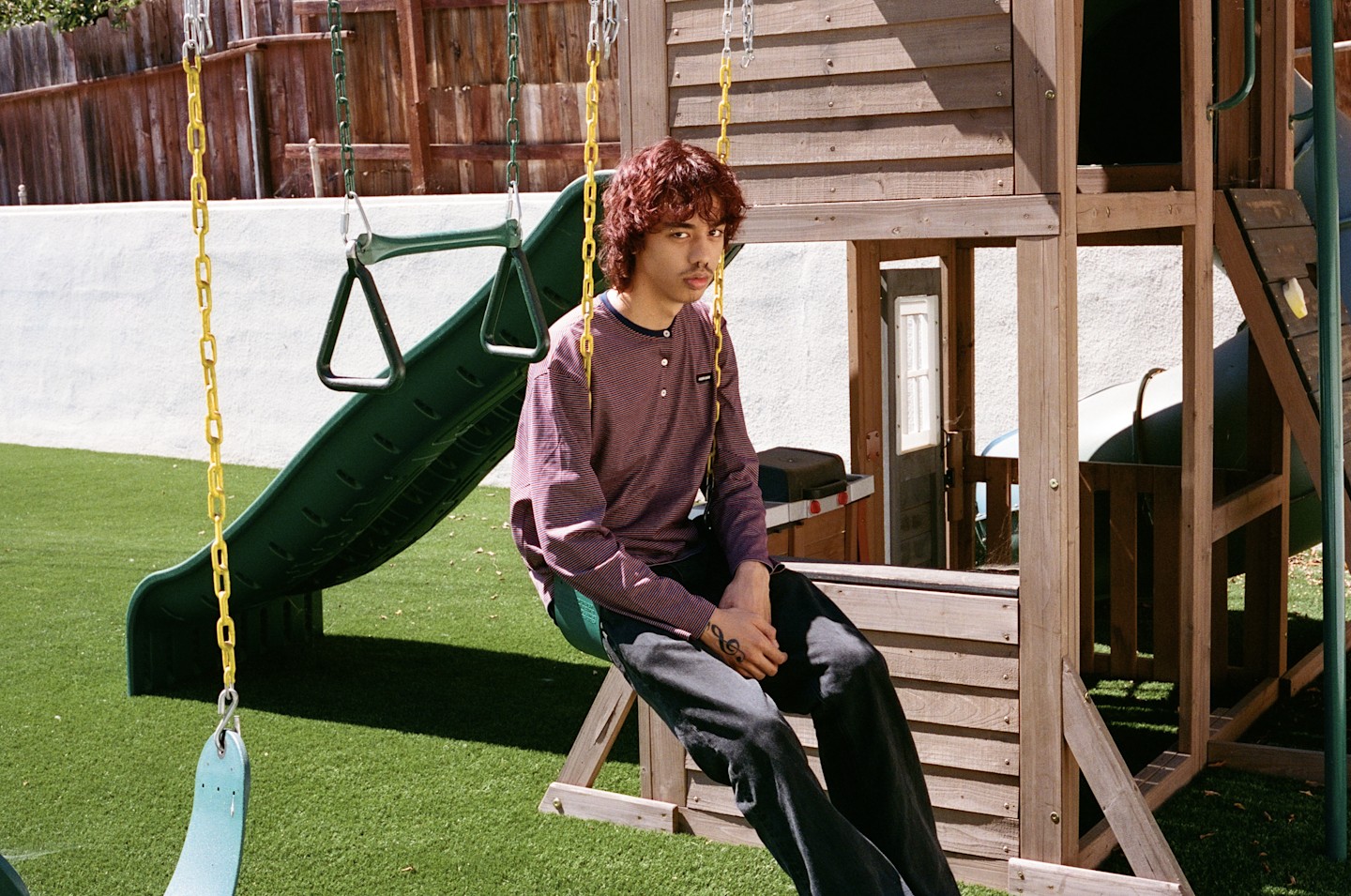
 Sophia Liv Maguire / The FADER


The FADER's longstanding series GEN F profiles emerging artists to know now.
bunii was making guitar music before he learned to play the guitar. In high school, the then-17-year-old was already producing hip-hop beats inspired by Metro Boomin and Murda Beatz on Logic. But it was his forays into alternative rock, equally informed by a childhood playing in jazz ensembles and his love of J-Rock and midwest emo, that garnered him a fervently dedicated fanbase, all before picking up the mini red Strat that would change his life at the end of 2024.
Tonight, bunii plays his sixth show ever at Brooklyn’s rite-of-passage venue Baby’s All Right, the penultimate date of a sold-out headlining tour. Right now, the lanky 18-year-old is milling about backstage in baggy black jeans and a Los Angeles Raiders sweatshirt, reminiscing about his first-ever show at The Mint in Los Angeles that brought out 500 fans to a 200-cap venue.
“I was talking with the people that worked at the venue and they were like, ‘We’ve seen so many people's first shows and this is the first time we’ve ever seen the audience know every single song,’” bunii says before an enormous grin breaks across his face. “I was like, ‘What can I say man? I'm bunii.’”
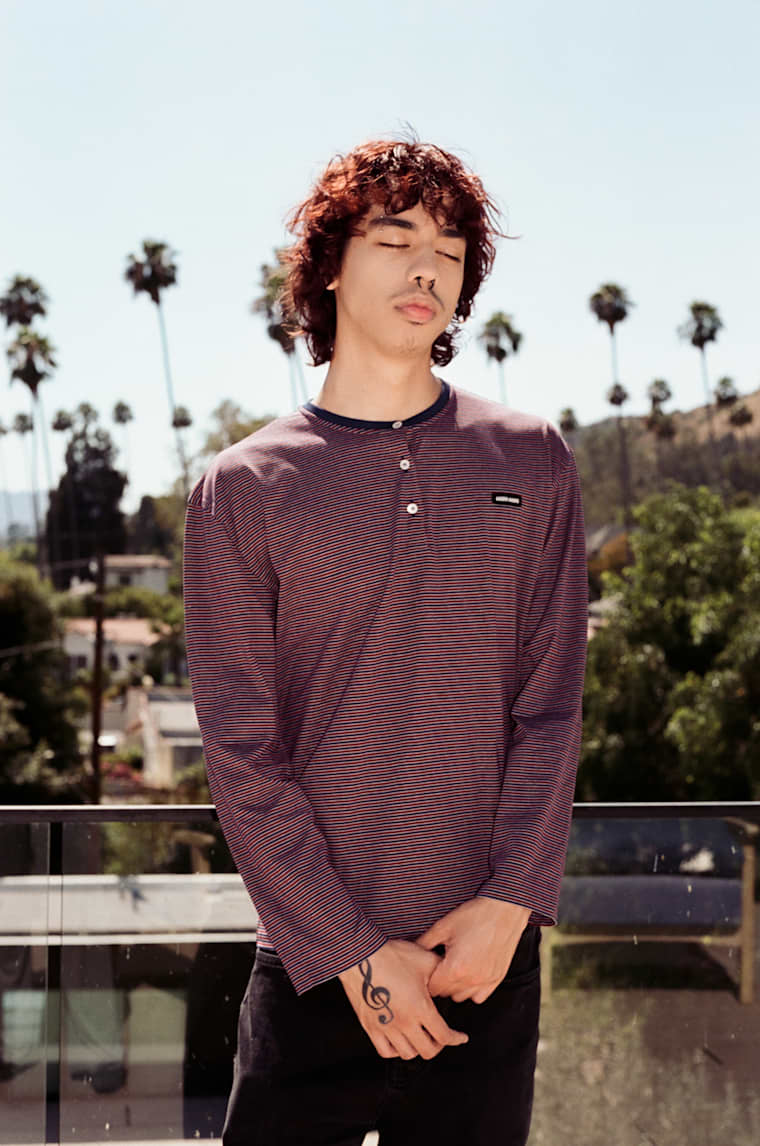
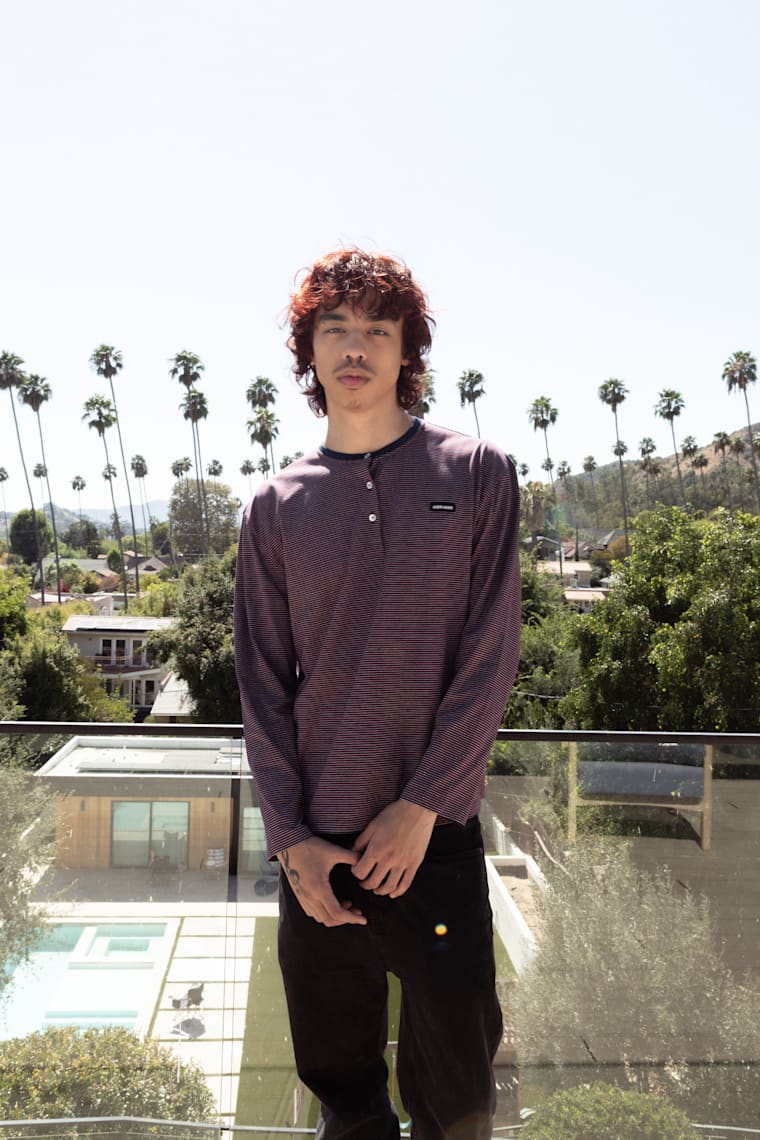
bunii is the face of a rising alt-rock movement judiciously branded “SoundCloud indie” by the streaming platform. He and his collaborators — friends like crayon, yiru, and beige — make music that wears its emo influences on its sleeves. But filtered through a BandLab mentality that favors punched-in vocals and adlib tracks, even their more traditional indie rock ideas become wonkily new, and with surprising emotional resonance. On his biggest song “SAINT,” bunii sings about “putting a gun to my head” over brightly programmed guitars, speaking on a failed relationship with unabashed candor. After growing his Spotify monthly listeners to 100,000 completely independently, bunii signed a deal with Warner Records this past spring.
“I feel like there's not enough want to have a deeper meaning behind their songs,” bunii says, arguing that the alt-emo scene has been running on cliches and sonic mediocrity for too long. “It's so easy to download a Wifiskeleton-type beat off YouTube and start singing about killing yourself. Do something different and show that you actually value the music you're making and you're not just doing it to get a DistroKid check.”
It’s so easy to download a Wifiskeleton-type beat off YouTube and start singing about killing yourself. Do something different and show that you actually value the music you’re making and you’re not just doing it to get a DistroKid check.
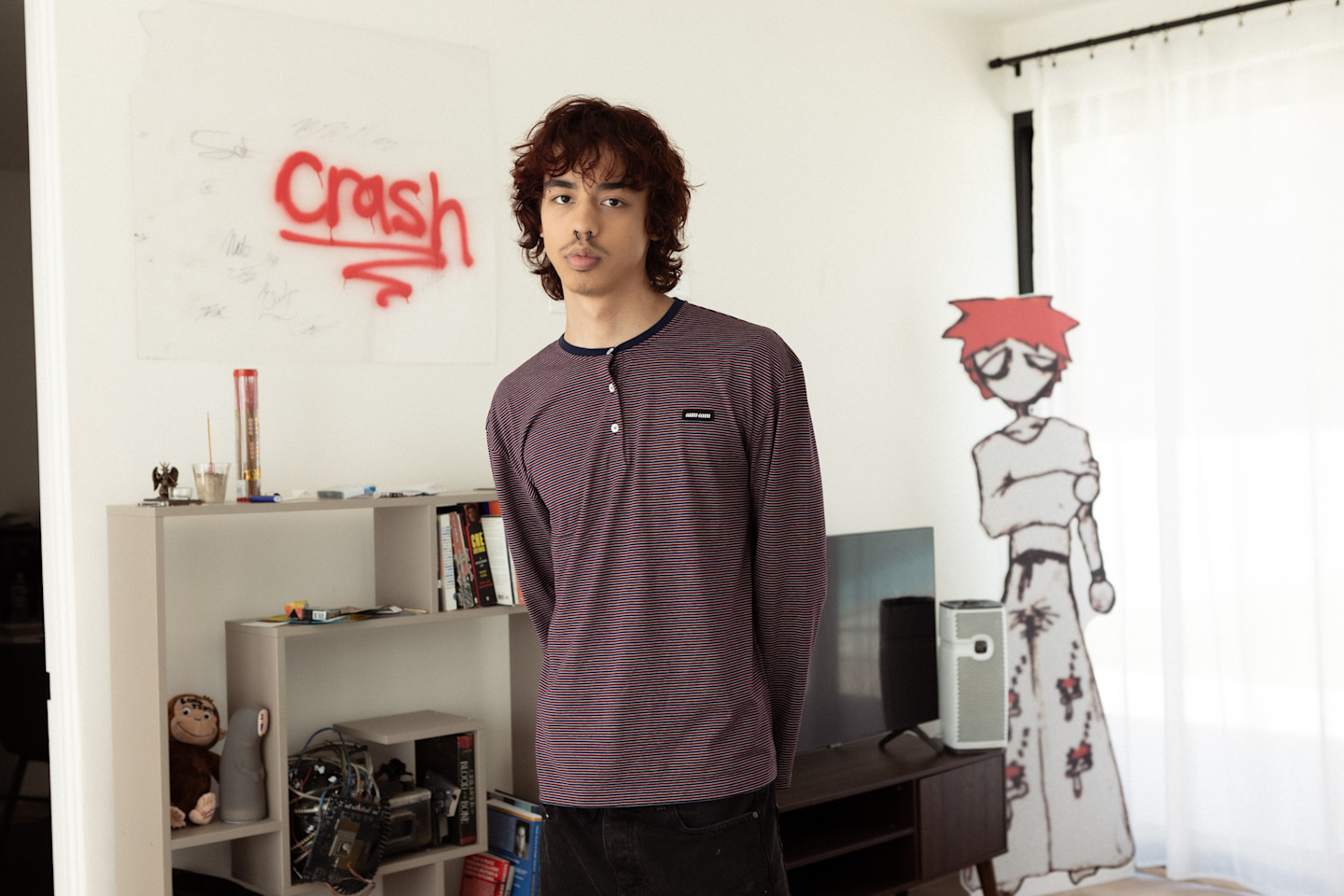 Sophia Liv Maguire / The FADER
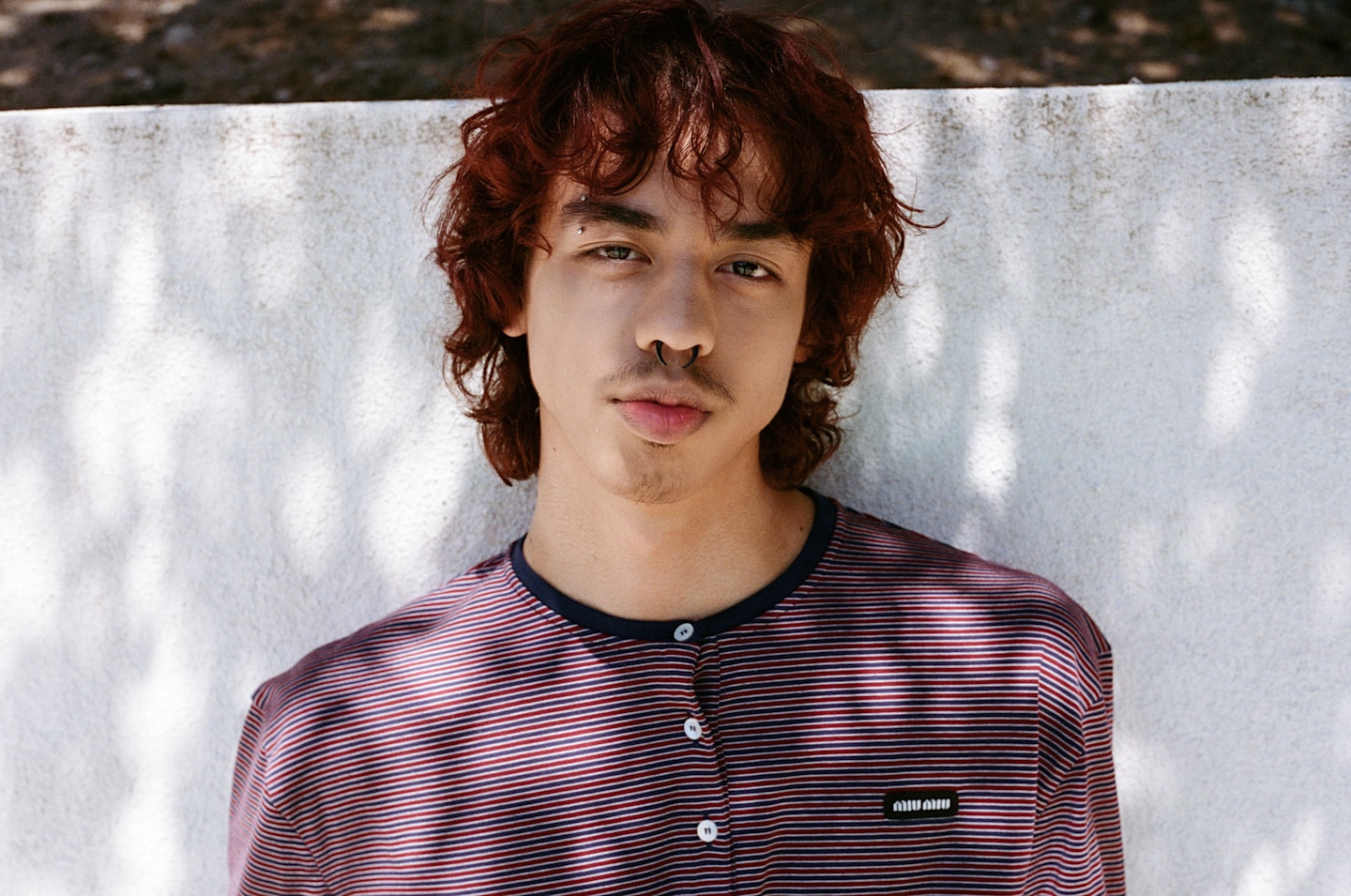
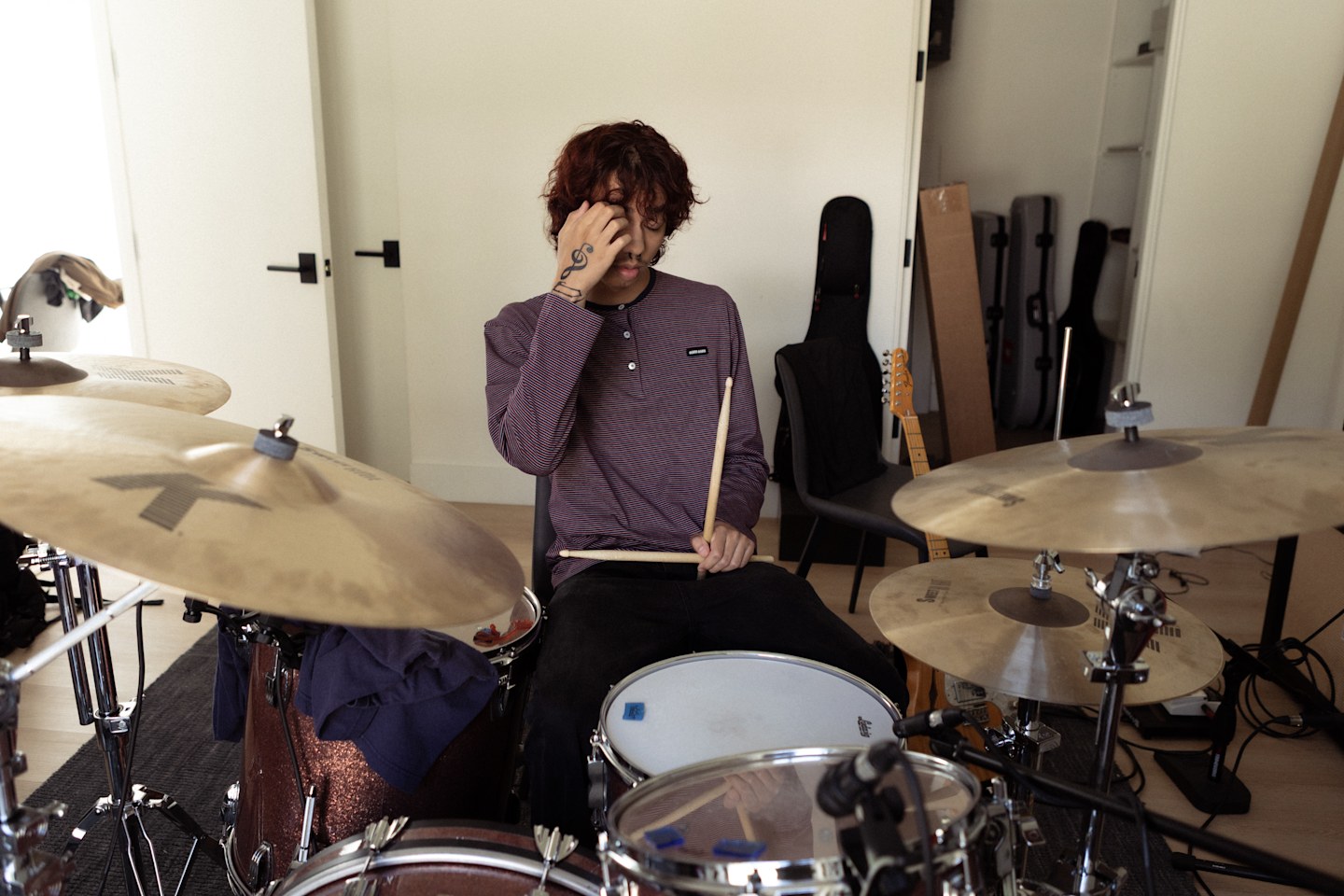
Born in 2007 in Glendale, California, Niccolo Terre is the son of a first generation Filipina-American mother and an Italian-American father, both of whom raised him in a music-rich environment filled with jazz (Davis, Coltrane, Mingus) and midwest emo. His mother bought him his first drum set when he was four, and he picked up the trumpet in middle school, later joining his high school’s jazz ensemble. Around that time time he progressed to the ukelele, a “pretty big building block” to guitar, and began making early songs and beats on Logic and, ultimately, FL Studio. Even now, the self-produced artist prefers to play everything you hear on his songs himself — “otherwise it's not my song,” he says.
 Sophia Liv Maguire / The FADER
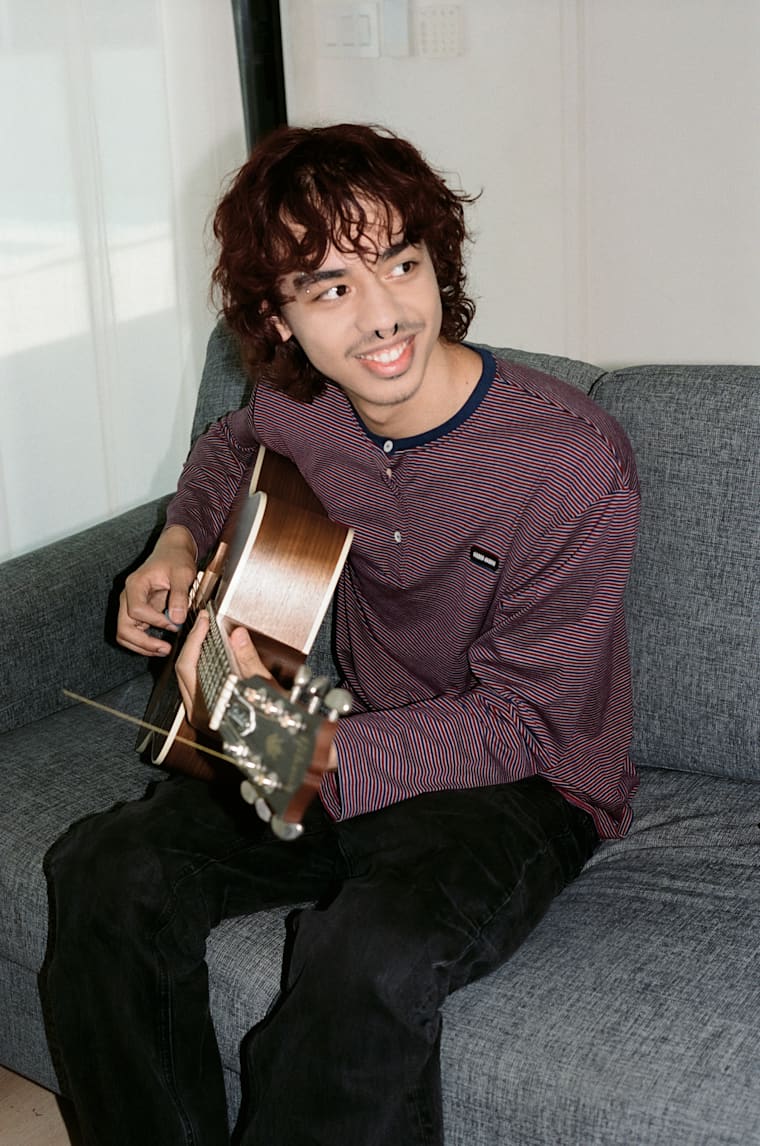
All of those instruments, however, were effectively training wheels for the Stratocaster. The mini red guitar was a gift from his uncle, though it hung on the wall of his bedroom untouched for years, because “my fingers had always been too weak and small to actually wrap my hands around the fretboard up until 2024.” One day the siren call of the six-string became too much to bear – “I felt like such a poser owning a guitar and never playing it” – though his approach to learning was suboptimal.
“I would listen to the hardest song on guitar I had in my playlist and I would be like, if I learned this, then I'll be so good that I can just skip the basics. That's never a good way to look at things,” he laughs. “But it didn’t go all the way bad. I didn't have too much knowledge on music theory, but I knew that these chords in this order sound pretty sick.”
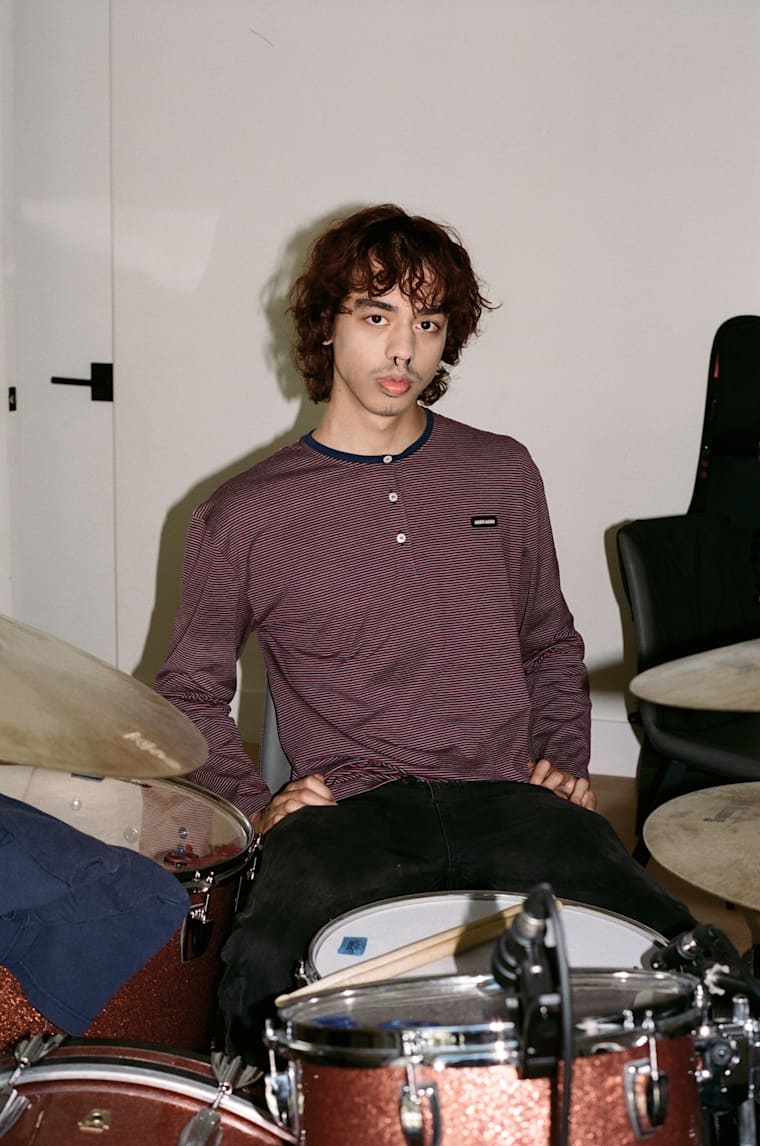
bunii’s early music was essentially loop-based and animated by beat switch-like tempo changes, staticky DJ drops exclaiming bastard! or six fucking yari, clean-toned guitar, and his earnestly angsty vocals. On his songs, bunii finds new ways to describe all-too-universal feelings, like on “GOOD RIDDANCE,” where the tedious torture of high school isn’t just hellish but cyclical, or “i hate you,” where bunii owns up to toxic behavior in a messed-up relationship.
“I never want to make a song like, this bitch she broke my heart, I want to fucking kill myself. I'm like, ‘tell me something I fucking don't know, man,’” bunii says of his songwriting. “It’s great to express yourself through music, but there's more to be said and more to be done with the healing that comes from expressing yourself through songs.”
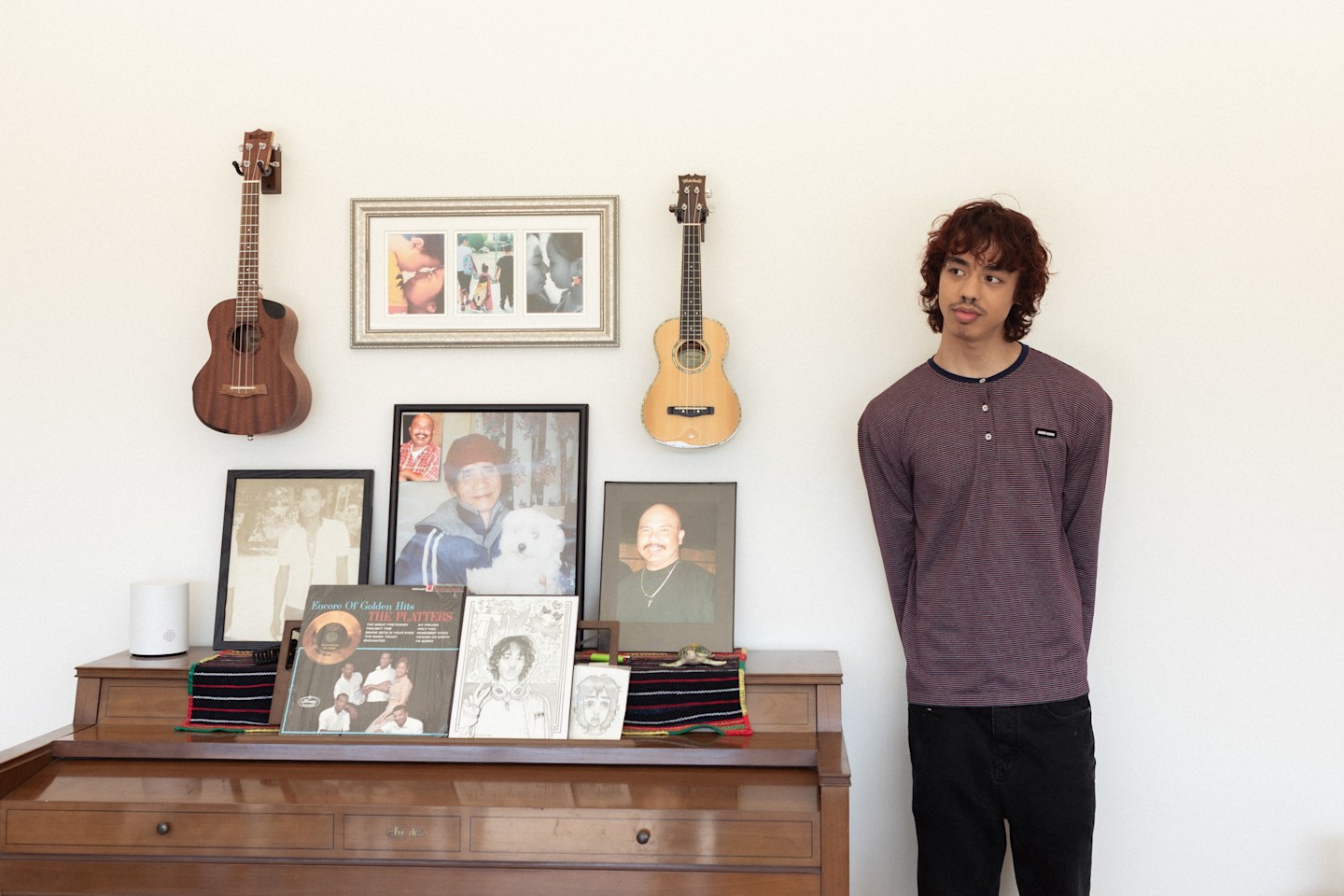
 AnnaLyn and bunii in their Los Angeles home.
Sophia Liv Maguire / The FADER
AnnaLyn and bunii in their Los Angeles home.
Sophia Liv Maguire / The FADER
On his major label debut VIRGILIO from March, bunii added another layer of depth to his burgeoning mythology: writing about family. The album started out as a deluxe edition of his 2025 record bastard but quickly evolved into something bigger. Opening with a cover of The Platters’ “The Great Pretender,” an homage to bunii’s grandfather, it explores every corner of his life right now, from early romance to marijuana dependency to the mounting pressures of music stardom. He reserves his sharpest and clearest writing, however, for his immediate family: mom and manager AnnaLyn and 12-year-old sister Joey. His song “Nanay,” which means “mom” in Tagalog, is written in such a way only AnnaLyn can understand.
I wanted VIRGILIO to provide an understanding of me. That’s why I named it VIRGILIO, because it’s part of my first name. My full first name is Niccolo Virgilio. It’s also my grandpa’s and my uncle’s name.
 Sophia Liv Maguire / The FADER
“I'm able to say all those things so directly because I'm doing it for her and writing a song for that part of me,” bunii says, adding, “I wanted VIRGILIO to provide an understanding of me. That's why I named it VIRGILIO, because it's part of my first name. My full first name is Niccolo Virgilio. It’s also my grandpa’s and my uncle's name.”
On tour and backstage at Baby’s, bunii’s family are close at hand and quickly reveal themselves to be crucial not only logistically, but emotionally, as he searches for groundedness amid the chaos of his newfound success. After soundcheck, bunii and Joey briefly spar but generally interact with a mutual tenderness. After doors open, AnnaLyn mans the merch table, streams her son’s performance on Instagram, and ferries fanart, merch, and ticket stubs back to the greenroom for bunii to sign.
The biggest emotional gutpunch on VIRGILIO is “Joey,” an ode to his little sister. Over an initially sparse bed of jangling guitar, bunii sings from his sister’s point of view, about how success has forced him to occasionally prioritize his career over the smaller family moments that matter most. “My big brother’s off to work, he won’t be back anytime soon / I’ll miss him being here, although he never left his room,” he croons. On stage at Baby’s, all of those emotions flood through in real time as the whole room screams along right through the bracing outro: Maybe if he cared about me as much as music, he wouldn't need to make this song.
It’s an unglamorous ending but an honest one, an acknowledgement that bunii isn’t afraid to voice and face head-on. “I wanted her to know, even when I have to be away for work, there's never a time where I'm not thinking about her,” he says.
 Sophia Liv Maguire / The FADER