

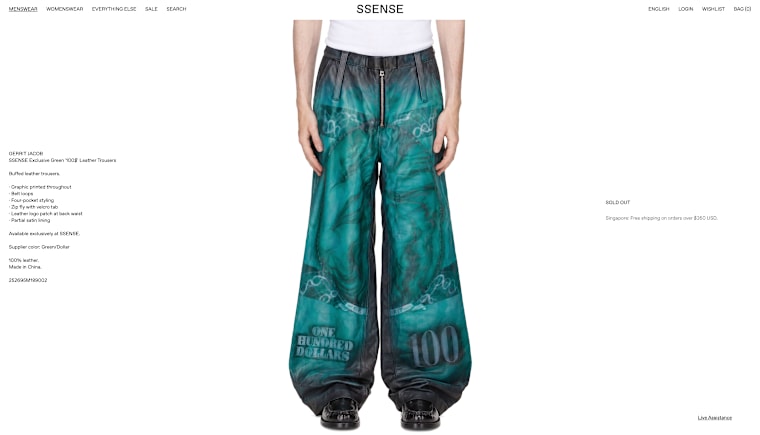
 An AI-generated image of a pair of Gerrit Jacob pants on the SSENSE website with several errors and hallucinations. Screenshot taken on Thursday, November 19, 2026.
Fashion retailer SSENSE is in hot water this week after publishing AI-generated images that botched key product details. Designers Reese Cooper and Gerrit Jacobs called out the e-commerce platform on Instagram Stories this week, listing out several details of their clothing that were warped, hallucinated, or straight up botched by the company’s image generation workflow. Here’s what you need to know.
SSENSE laid off their photo team in favor of AI this summer
Back in July, Montreal Gazette reported that the e-commerce platform had laid off the majority of their photo and makeup team, according to an anonymous former employee. That employee told the news outlet that SSENSE was now having stylists take basic photos of models for product shots to be superimposed on their bodies using AI.
In a statement to Gazette, SSENSE neither confirmed nor denied the use of AI, saying in part, “Ssense is evolving our studio operating model to increase agility, accelerate content production, and further strengthen the product storytelling [...]” An internal company email from June reviewed by Gazette, SSENSE told employees, “AI is here to augment our work, reduce the tedious parts and help us focus on higher-value activities, enabling our teams to apply their expertise, judgment, and creativity in even more impactful ways.”
Those reports have been anecdotally corroborated by Parisian fashion journalist Louis Pisano.
These changes came less than a year after SSENSE filed for bankruptcy protection in Quebec courts last summer, following the announcement of steep American tariffs by Donald Trump. While the company ultimately remained in the founders’ hands, it’s easy to understand why the brand is looking to cut costs wherever they can.
What are the issues with SSENSE’s AI-generated product images?
Designers Reese Cooper and Gerrit Jacobs took to Instagam this week to lay out how SSENSE’s new AI product images misrepresented their clothing. A puffer jacket by Cooper had its embroidery and zipper details warped in the AI recreation, and a small hook on the exterior of the jacket was enlarged to oversize proportions. A button up shirt by the brand was also creatively reimagined by AI.
Meanwhile a pair of printed leather pants by Jacobs had several hallucinated seams added at random, and several details of its graphic print smeared. Jacobs also noted that the product shots appeared to show the pants impossibly tucked into the soles of the model’s shoes.
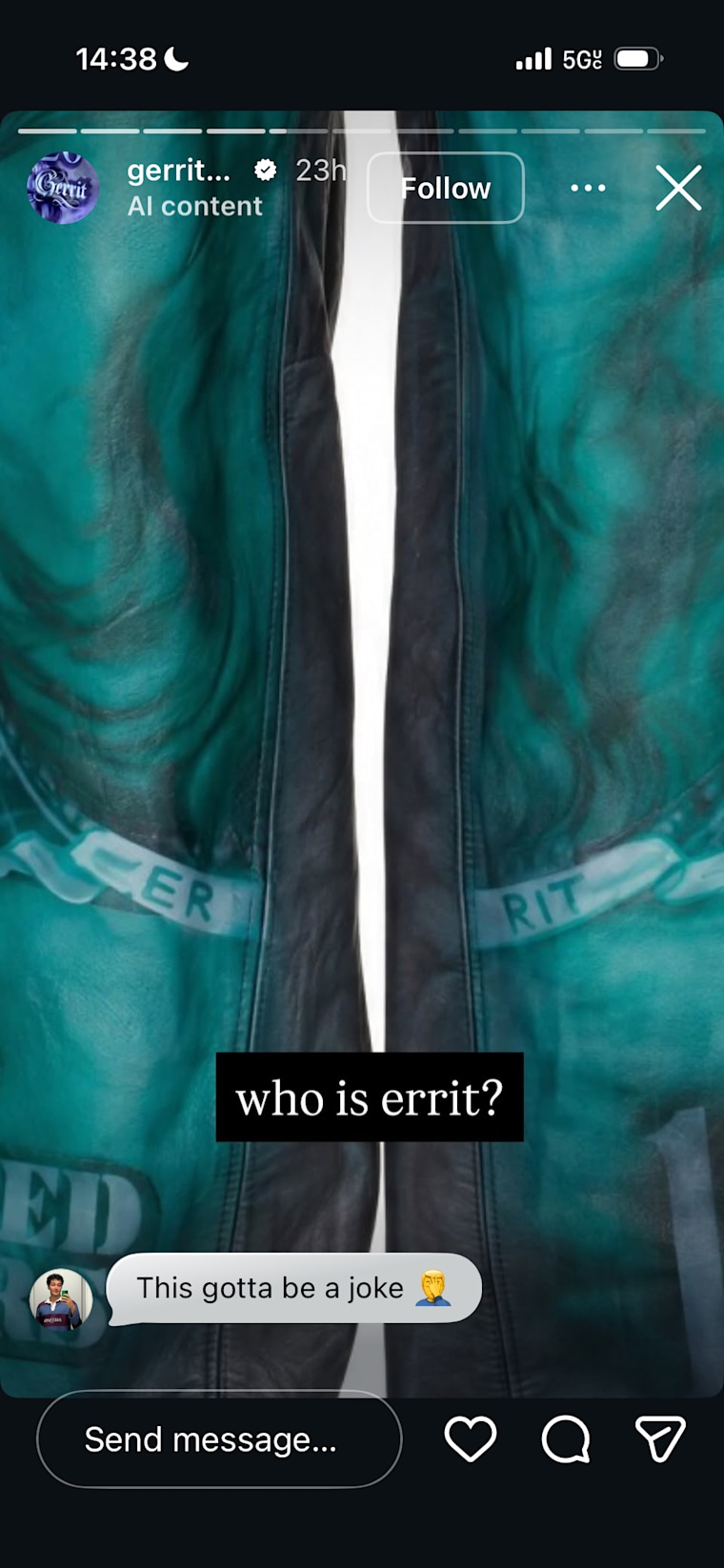
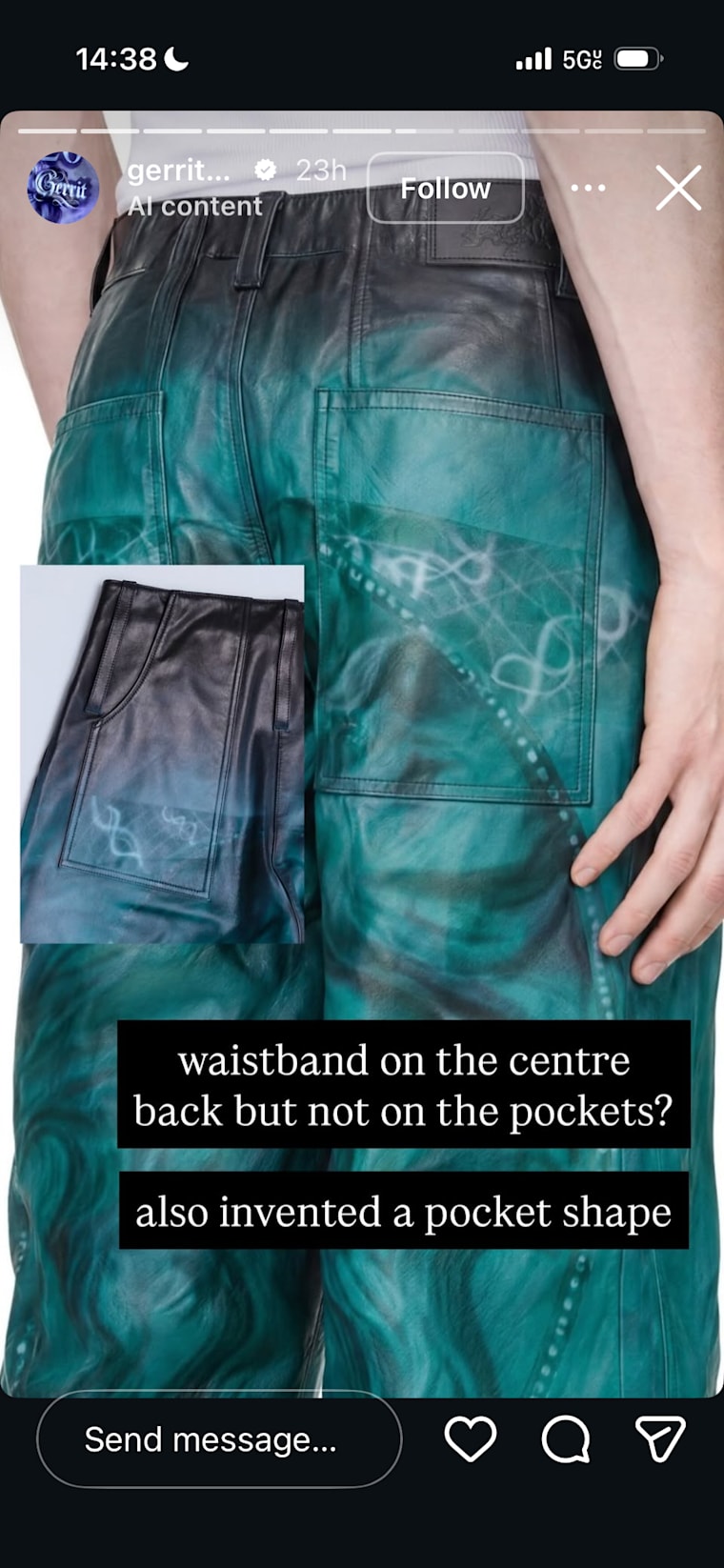
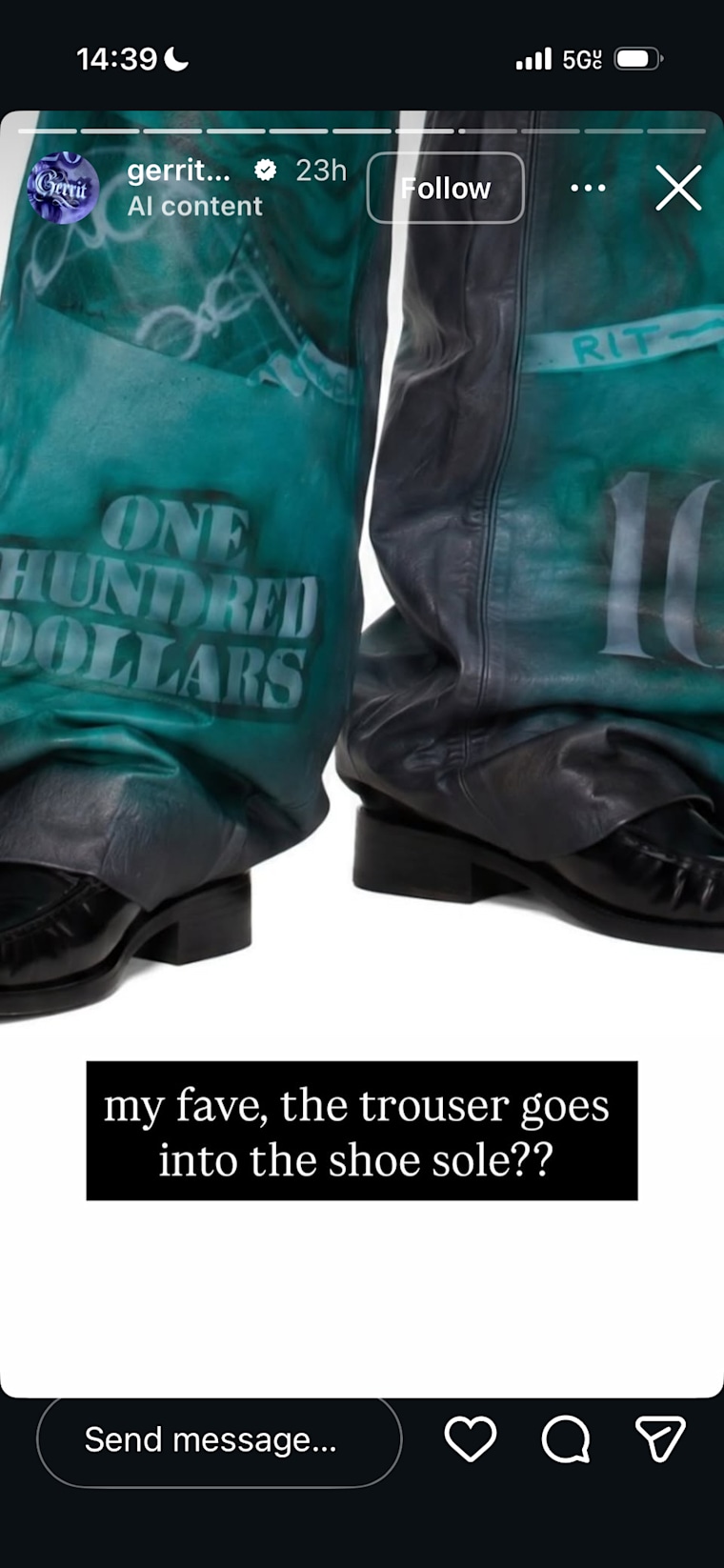
SSENSE isn’t the only brand using AI imagery, but it is one of the biggest.
AI image generation has advanced rapidly in recent years, to the point that some generic product shots can appear indistinguishable from actual photographs. A recent Dior holiday ad was excoriated for its use of AI, and matters were only worsened when the brand doubled down on claims they hadn’t used AI.
SSENSE’s reliance on inconsistent AI image generation is noteworthy not just because of online shoppers’ expectations around accurate product representation, but also because SSENSE’s aesthetic language dramatically reshaped e-commerce in its wake.