 Vivian Medithi / The FADER
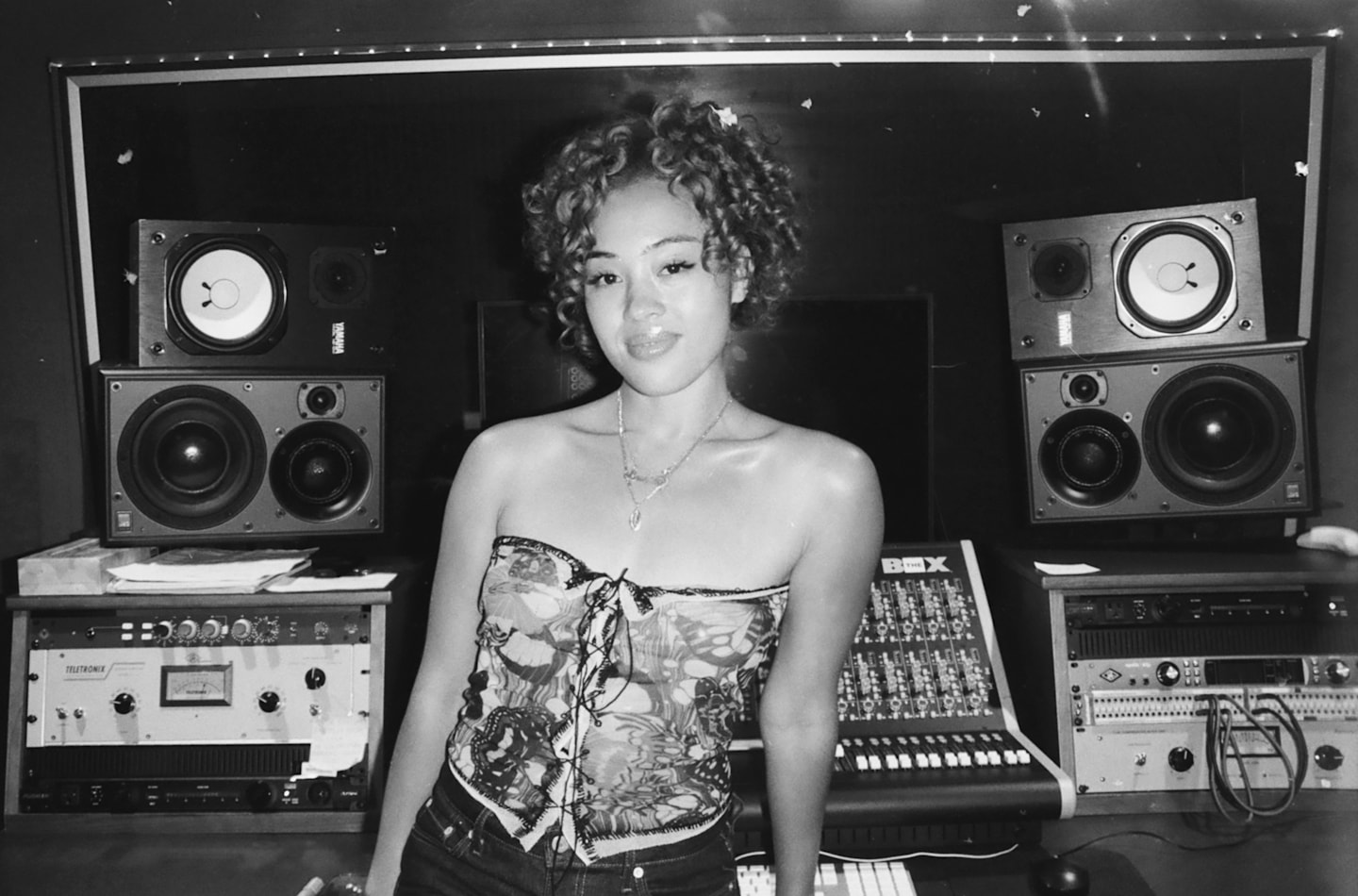
For the past four years, Joyce Wrice has been ducking the spotlight. Her 2021 debut album Overgrown recast the San Diego-born Wrice as a contemporary R&B star in her own right after years as a recurring character in the wider cinematic universe of 2010’s Los Angeles hip-hop, working with The Alchemist and Free Nationals. Overgrown was shortly followed by milestones: a well-loved appearance on NPR’s Tiny Desk, the Kaytranada-produced dancefloor staple “Iced Tea,” and an appearance on Lucky Daye’s Grammy-winning duet album Table For Two.
But when Wrice and I link up at BMG Studios in Manhattan on a rainy afternoon in early July, she seems almost wistful about her recent success. “It was time to see what's next for me,” Wrice says. “Stepping into womanhood, it's like, I'm not in my mid-twenties, late twenties anymore. So the album is like a movie, and all the scenes are different times of the last three and a half years.”

Wrice describes recording for her sophomore album as a process of self-discovery, one that yielded more than 100 songs over the course of three and half years. During that period, Wrice took a “transformative” solo trip to Brazil and went through an “intense” vocal journey after small polyps on her vocal chords were inflamed by a combination of acid reflux and suboptimal singing technique. She was put on vocal rest and pushed to learn “the healthy way to sing.”
At the same time, Wrice was also on a healing journey with her love life. For the first time in three years the singer was “not heartbroken” or consistently dating. Instead, she was more focused on her relationship with herself than those with the opposite sex.
That may come as a surprise after listening to Machiko. Continuing in the assuredly amorous vein of Overgrown, Wrice’s sophomore album is slinky, sultry, and decidedly sexy, whether she’s letting a lover melt through her armor on “Crack the Code” or turning the heat all the way up on lead single “Break Me In.” The love, lust, and heartache in her songs are as intense as ever, but part of growing up is knowing when to hold fast and when to let go. Sometimes, as on J.I.D. collaboration “Catch Me If You Can,” that means taking a hard look at her own bad habits when it comes to dating: “I guess I like the chase / better than the man,” Wrice coos on the hook.
“It took me writing [that] song to really realize, oh my God, that's your toxic trait,” Wrice says. “That's one of those songs where I listen to the lyrics like, Oh my God, people know my business – but we're human.”
 Vivian Medithi / The FADER
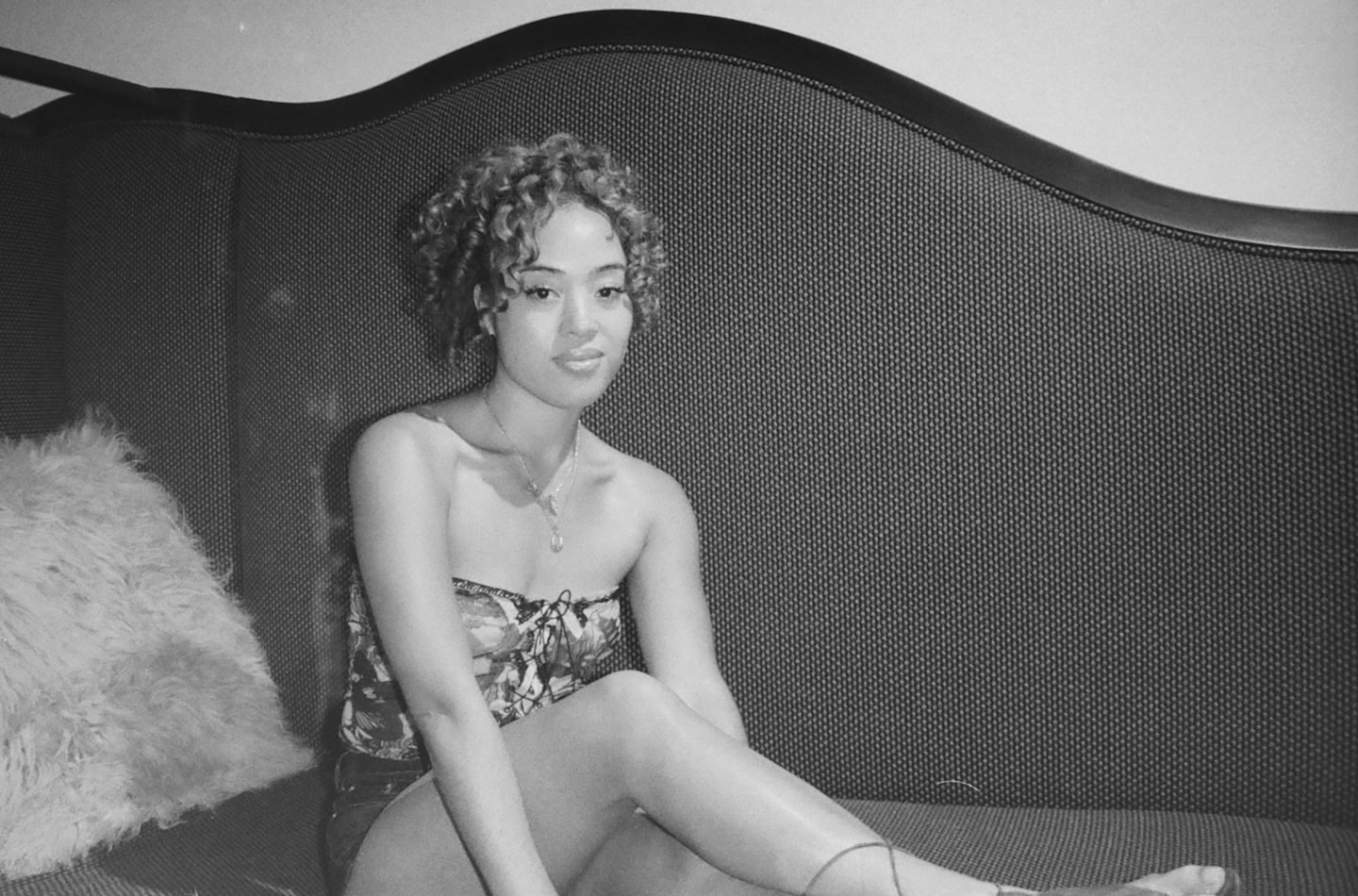
Machiko really began to take shape summer of 2025, after the singer convened a writer’s camp in the Hollywood Hills. Wrice, a self-professed album artist, was uncertain what sonic direction her next LP might take though she knew she wanted there to be "as raw as I can be,” she says.
The recording process yielded some of Wrice’s sleekest jams yet, whether she was working with collaborators old or new. She credits SALIMATA with inadvertently finalizing the album’s sonic direction; when the Brooklyn rapper sent back her verse for “Fly (Someone to Love),” she instantly knew it was going on the album. Those sessions quickly yielded the singles “Break Me In” and “Crack The Code,” along with frisky album standout “Dangerous,” on which Wrice stacks nimble harmonies atop each other.
For Wrice, whose father grew up in Flint, MI, one of the things she needed to bring Machiko together was a Flint rapper. Her friends suggested Rio Da Yung OG, who’d been released from federal prison the previous winter and been on a near nonstop run of mixtapes and tour dates ever since.
“I listened to his music and I'm like, Oh, this makes me feel like a bad bitch,” Wrice recalls. When she DM’d the rapper on Instagram, he was immediately down but Rio was still on house arrest in Atlanta at the time and tentative plans for Wrice to visit the city repeatedly fell through. When the rapper finally got the chance to travel, he immediately booked a marathon tour that kept him on the road for months.
The stars finally aligned in February, when both artists found themselves in San Francisco for the Super Bowl. They linked up at EMPIRE studios, where Wrice played Rio a couple of beats to choose from. “He knocked that shit out in 20 minutes. And when I was in there with him, I'm like, ‘is this fool even coherent enough to write this verse?’” says Wrice. “But he just freestyled. And interludes are usually short, right? This shit is like 2 minutes.”
On the song, he lays it out like a regular Rio Da Yung OG song. “This a 10M / This a 10 millimeter, it’ll fuck your stomach up like some bad food,” he rasps. “You ain’t never had 10 million dollars / 100 likes on one post but got 10 million followers.”
 Vivian Medithi / The FADER
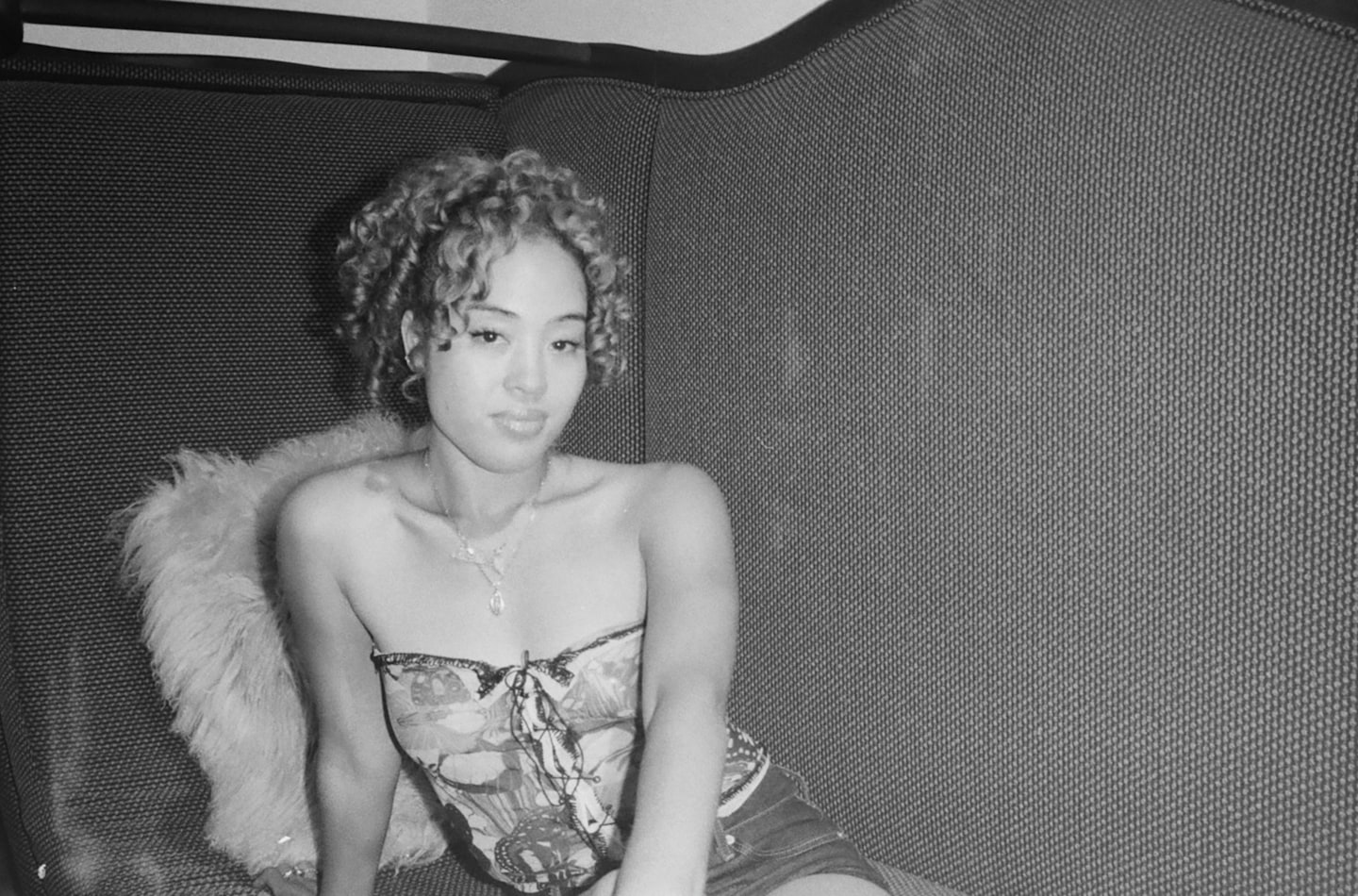
For fans of Wrice's slower and softer jams, "Rio's Interlude" might feel disconnected from her discography. But it's these moments that show how Wrice updates neo-soul touchpoints for contemporary audiences, sidestepping nostalgia in favor of an expansive vision of what R&B can be right now. It reflects Wrice's progressive mindset, not just when it comes to music but to life at large.
“The title is my middle name. Machi means city, Ko means girl or child,” Wrice says. Her mom grew up in Japan’s rural countryside with a love for fashion and music, and those creative passions spurred her to move to Tokyo. It was there that Wrice’s mother met her father, a Navy man. Wrice says both of her parents were creative types, but grew up in an era where pursuing their passions “wasn’t realistic.” When Wrice was born, her mother chose the middle name Machiko in hopes her daughter would be a city girl and have the life that she wanted for herself.
As Wrice began recording for her sophomore LP, reflecting on her career and relationships, the title Machiko felt truer and truer to the themes and narratives she was exploring in her new era. Part of that growth has involved a willingness to not only step out of the shadows, but fully own her spotlight, complete with bigger budget videos and more complex choreography.
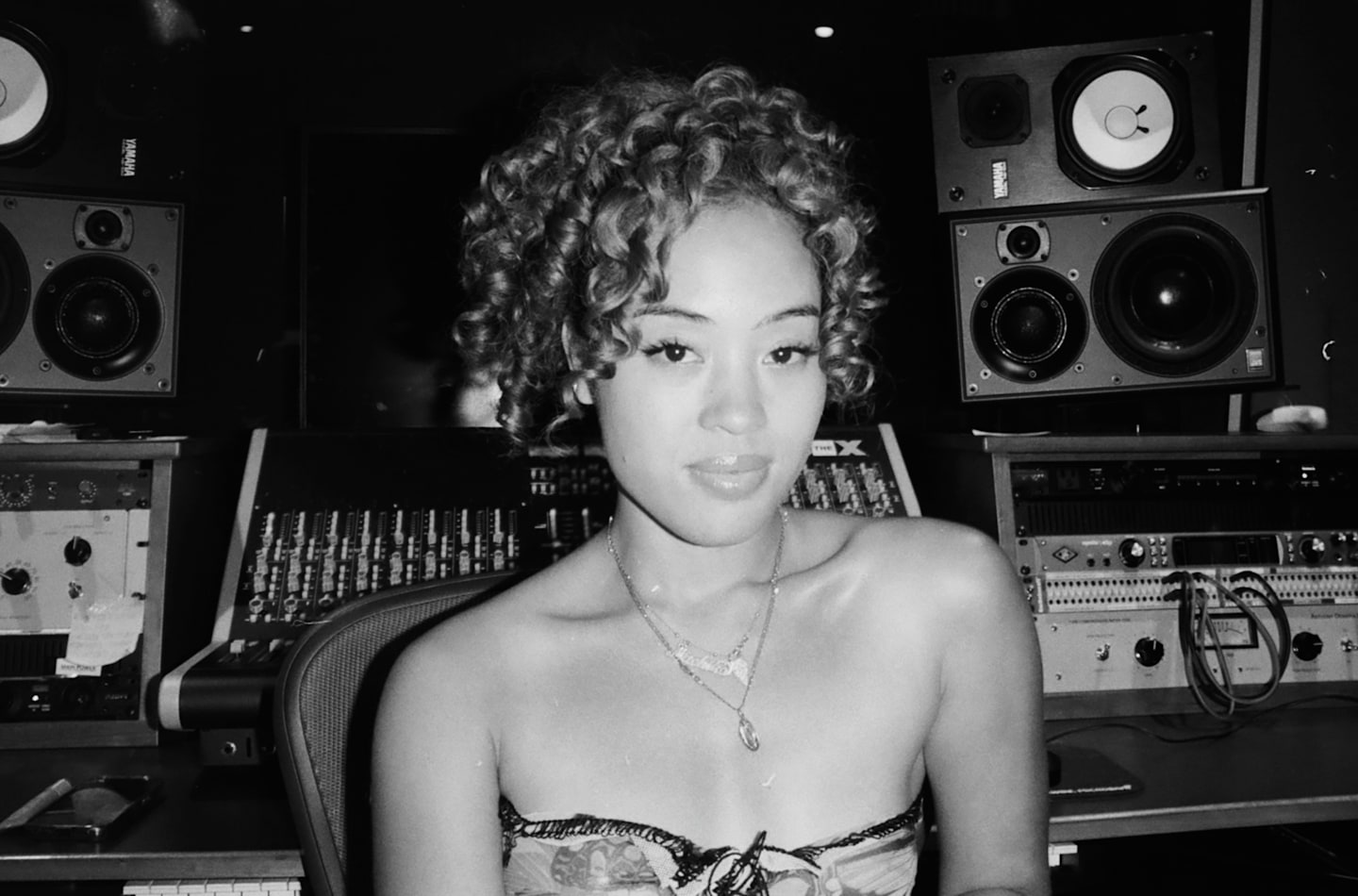
“That's why the name Machiko is so fun too,” Wrice says. “It's not my alter ego, but it helps me explore that pop star world that I love so much. I definitely crave that type of showmanship.”
 Vivian Medithi / The FADER